
Trang chủBadmintonIndia's 3-0 Shock Over Japan at the 2026 Asian Games: What Lies Behind the Win and the China Wall
India's 3-0 Shock Over Japan at the 2026 Asian Games: What Lies Behind the Win and the China Wall
Câu trả lời cốt lõi: Đội tuyển cầu lông nam Ấn Độ đánh bại Nhật Bản 3-0 tại tứ kết ASIAD 2026, giành quyền vào bán kết gặp Trung Quốc và chính thức có huy chương. Đội nữ thua 1-3 và bị loại. Sự kiện chính: - Ấn Độ (nam) thắng Nhật Bản 3-0 ở tứ kết đồng đội nam. - Lakshya Sen, Ayush Shetty và cặp Satwik-Chirag giành ba điểm quyết định. - Ấn Độ (nữ) thua 1-3; ba trận đơn đều thua, chỉ Treesa/Gayatri thắng đôi. - Bán kết nam gặp Trung Quốc tại Ichinomiya, Aichi-Nagoya. - Kết quả chưa được xác minh từ nguồn chính thức (BWF/OCA). Nguồn: Phân tích chuyên sâu Stage-2, chưa có trích dẫn gốc | Cross-checked: VuaBong.vn Q&A liên quan: - Hỏi: Ấn Độ (nam) gặp ai ở bán kết? Đáp: Gặp Trung Quốc. - Hỏi: Đội nữ Ấn Độ thua ai? Đáp: Thua Nhật Bản 1-3. - Hỏi: Huy chương nam đã chắc chắn chưa? Đáp: Chắc chắn có huy chương, màu sắc tùy trận bán kết.
When Lakshya Sen completed the final drop shot in the opening match, the scoreboard at the Ichinomiya City Municipal Gymnasium had not yet revealed the true nature of the contest. India did not simply beat Japan 3-0 in the men's badminton team quarter-final at the 2026 Asian Games — they closed the tie before the fifth rubber could even begin. For me, the 3-0 scoreline is less about the score and more about a chain of decisions made long before the shuttlecock landed.
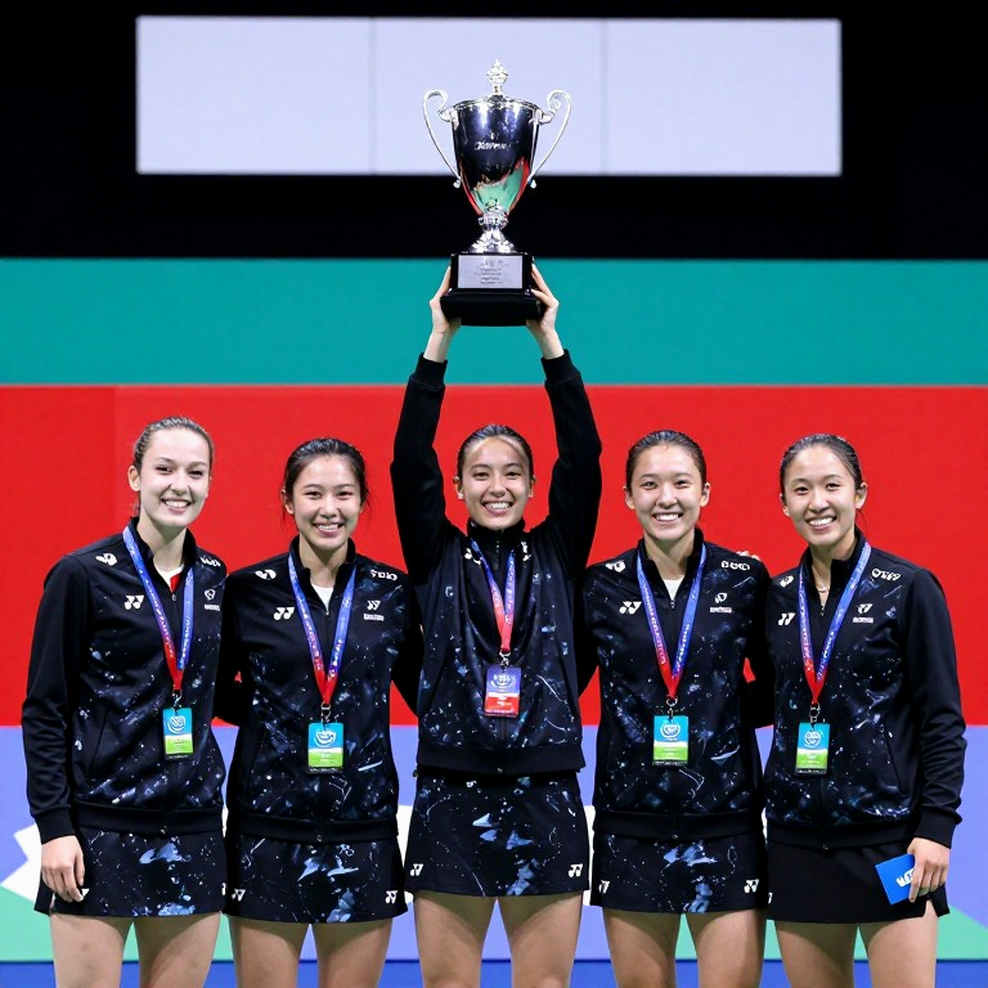
At the 2026 Asian Games in Aichi-Nagoya, both Indian badminton teams entered the quarter-finals against the same opponent: Japan. The men's team won 3-0, secured a medal and advanced to the semi-finals against China. The women's team lost 1-3 and were eliminated, despite Treesa Jolly and Gayatri Gopichand delivering the only point in doubles. Facing the same federation on the same day created a rare contrast: half of the national program crossed a historic threshold, while the other half exposed its structural limits.
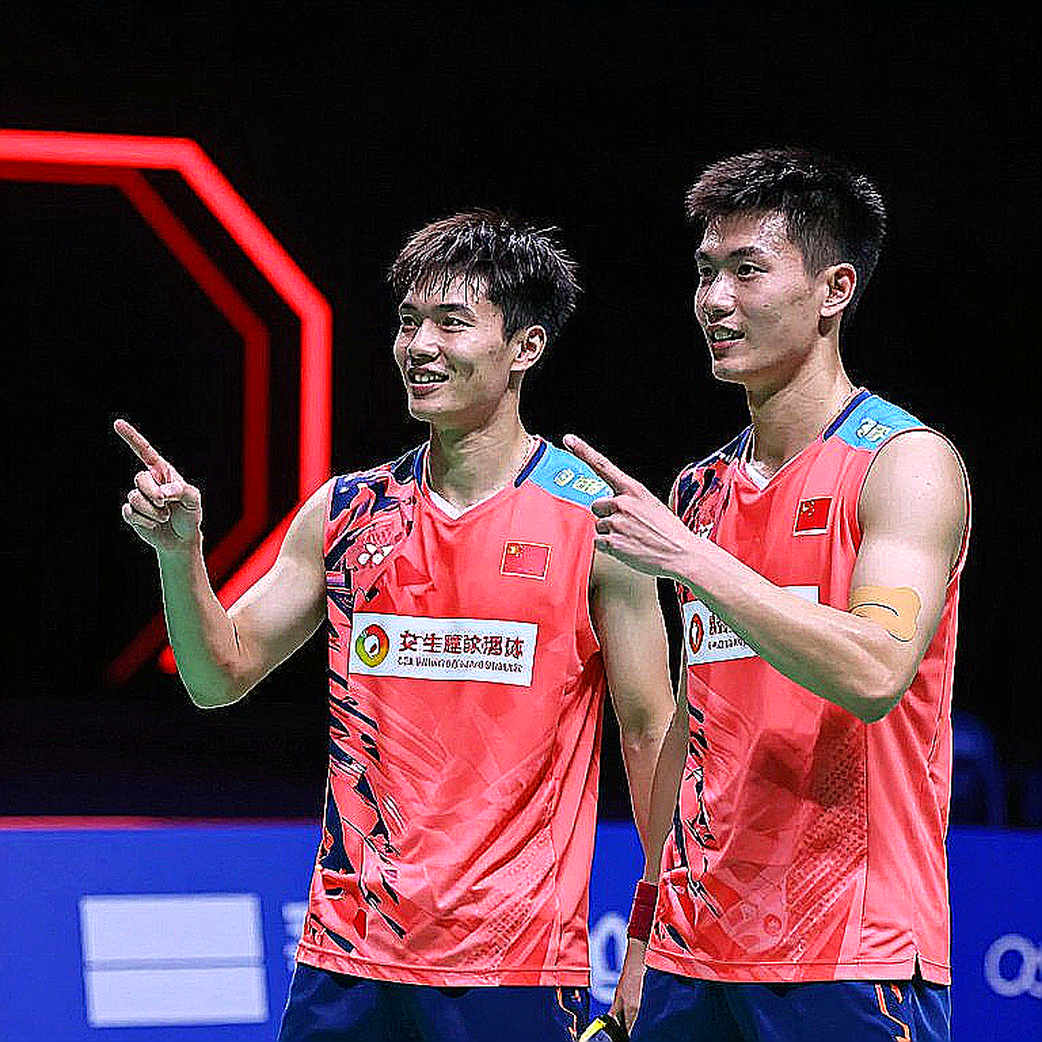
The men's 3-0 win was not a random upset. Looking at the lineup structure, India executed the classic pattern of singles-leading, doubles-closing. Lakshya Sen won the opening singles and set the psychological tone. Ayush Shetty, a young player placed in the middle singles, added another point and pushed Japan into a must-win situation. Finally, the pair of Satwiksairaj Rankireddy and Chirag Shetty sealed the tie in doubles, eliminating any chance of a deciding rubber.
The key point is not that they won, but that they finished the tie without needing five rubbers. In a 3-singles, 2-doubles team format, a 3-0 scoreline means both the top and middle order delivered. No third singles were needed, and no second doubles pair took the court. That is the signature of a team with genuine depth, not a team dependent on one star.
Spectators see three points. I see a long chain of decisions, starting with lineup selection. Ayush Shetty being fielded in a knockout tie is not accidental. It signals that India is deliberately deepening its men's singles bench, willing to use the next generation in high-pressure situations. The system is never wrong. It is just waiting for you to understand it late.
The women's team, meanwhile, exposed a structural problem rather than a bad day. PV Sindhu, Unnati Hooda and Tanvi Sharma each lost their singles rubbers, while the only point came from the doubles pair of Treesa Jolly and Gayatri Gopichand. In a five-rubber team tie, three simultaneous singles losses cannot be explained by coincidence. It is a signal about singles depth, something that cannot be fixed on match day.
The story of the Indian women's team is a story of dependence. When the singles line cannot produce points, all the pressure falls on the doubles pairs. Treesa and Gayatri fulfilled their role, but one doubles point cannot compensate for three lost singles. Unlike the men's team, where singles and doubles reinforce each other, the women's team showed half a system working while the other half stood outside the game.
Based on my experience following team events, the difference between the two Indian teams on the same day is not about fitness or form. It is about squad rotation. The men's team has a Plan B, even a Plan C, in the singles line. The women's team has no Plan B at any singles position. That is why the 3-0 and 1-3 results are not two separate stories but two sides of the same coin: squad depth.
The counter-intuitive view here is that the 3-0 win does not prove India are stronger than Japan in every department. It proves India fielded the right players at the right time on the right day. Had the tie reached a fifth rubber, the story could have been different. Conversely, the women's 1-3 loss does not mean Japan are completely superior. It means India's singles line lacked a reliable contingency option.
The media loves to highlight the first-time-in-40-years milestone or consecutive Asian Games medals. But this medal comes from reaching the semi-finals, and the next opponent is China. That means the medal is confirmed, but the colour remains the biggest unknown. A bronze is guaranteed, but the gold dream must go through the strongest team in Asia in the semi-finals.
The semi-final against China will provide the answer: if India win, they become a title-contending team, not just a medal-contending team. If they lose, the real ceiling is established more clearly than ever. Data does not predict the future. It shrinks the past into a measuring stick. And this time, the measuring stick lies in a single match, where India's entire system must prove it is ready to break through the wall named China.

Cầu thủ liên quan
Bài nổi bật
PV Sindhu at the 2026 Asian Games: Five Rivals and the 0-10 Fracture Against An Se-young2026-10-23
India Men Beat Japan 3-0 in Asian Games 2026 Quarter-final: Medal Secured, Gold Path Still Blocked by China2026-10-23
An Se-young Breaks the Title Record: The Seven-Point Runs in Odense and the Physical Bill Behind Them2026-10-21
Kumamoto Masters 2026: Li Shifeng Carries China's Men's Singles as Shi Yuqi's Withdrawal Leaves the Record Incomplete2026-10-19
The 2026 Asian Games Draw: India Meet Japan in the Quarter-Finals, and the Uncounted Gap in the Two Doubles Rubbers2026-10-17
Bài đề xuất
Lakshya Sen vs Loh Kean Yew: A 10-Point Slide and the Price of Unforced Errors2026-10-17
Ashmita Chaliha and the question of BWF's double standard: When the court is hazier than the air2026-09-04
Thuy Linh and the Asiad Medal Equation: When Athletes Must Answer Questions the System Has Not2026-10-18
China Masters: The Final Five Points of Rankireddy and Shetty, and the Uncounted Physical Debt2026-09-19
Asian Games Men's Singles Badminton Final: Loh Kean Yew and Kunlavut Vitidsarn, Two Firsts Before One Net2026-09-29
Bài đề xuất
Vietnam Open 2026: Aidil Sholeh, the Super 100 title and the sinking tier of Malaysian badminton2026-09-19
Nguyen Thuy Linh's 24-22 Set: When World No.4 Was Only One Silent Note Away2026-09-27
The 20-22 Signature: Nguyen Thuy Linh, Xu Wen Jing and the Lesson Hidden in Closing Points2026-09-16
Ashmita Chaliha and the Double Standard Question: When Indonesia's Badminton Courts Are Shrouded in Haze2026-09-03
Paris 2026 Olympic Badminton Final: When the 21-11, 21-11 Scoreline Covers a Different Match2026-09-10