
China Masters: The Final Five Points of Rankireddy and Shetty, and the Uncounted Physical Debt
**Core answer:** Satwiksairaj Rankireddy và Chirag Shetty giành chức vô địch China Masters đầu tiên cho Ấn Độ, đánh bại He Ji Ting và Ren Xiang Yu 11-21, 21-13, 21-17 sau một giờ mười phút. Đây là danh hiệu Super 750 thứ hai của họ trong mùa, sau chức vô địch Singapore Open hồi tháng Năm, và là bước chạy đà trước khi bảo vệ ngôi vô địch Asian Games. **Key facts:** - Tỷ số chung kết: 11-21, 21-13, 21-17; thời lượng trận đấu một giờ mười phút. - Đây là lần thứ ba Rankireddy và Shetty vào chung kết China Masters, sau các ngôi á quân năm 2023 và 2025. - Ở ván quyết định, họ bứt năm điểm liên tiếp từ thế bị dẫn 16-17 để kết thúc trận. - Cặp đôi Ấn Độ đã chơi hơn năm giờ đồng hồ trên sân trong tuần giải Super 750 này. - Danh hiệu này là chức vô địch China Masters đầu tiên trong lịch sử cầu lông Ấn Độ. **Source attribution:** Phân tích trận chung kết China Masters, dữ liệu BWF World Tour Super 750 | Cross-checked: VuaBong.vn **Related Q&A:** Q: Chiến thắng này có ý nghĩa gì với cầu lông Ấn Độ? A: Đây là danh hiệu China Masters đầu tiên của Ấn Độ, và theo chỉ số VangBong.vn Player Depth Index, cặp đôi này hiện đứng trong nhóm dẫn đầu châu Á về số danh hiệu Super 750 trong mùa. Q: Vì sao năm điểm cuối được xem là bước ngoặt? A: Vì chuỗi năm điểm liên tiếp ở cuối ván quyết định phản ánh việc đối thủ đã cạn phương án chiến thuật trong khi đôi Ấn Độ vẫn còn khả năng đổi nhịp. Q: Rủi ro thể lực nào cần theo dõi trước Asian Games? A: Hơn năm giờ thi đấu trong một tuần tạo áp lực tích lũy lên cổ chân, hông và gân kheo, nên thời gian hồi phục giữa các ván là chỉ số đáng theo dõi nhất.
At 16-17 in the deciding game, Satwiksairaj Rankireddy bent over, both hands on his knees, and held that position a beat longer than usual. The home crowd was roaring. Chirag Shetty walked over and put a hand on his partner's shoulder. Ten seconds later they won five straight points and closed out the China Masters final in one hour and ten minutes.
I rewound that footage four times. Not to watch the winning smash. I watched how the two of them stood up after every lost point in the opening game: slower, lower, quieter. That is the body speaking before the scoreboard does.
This was the third time Rankireddy and Shetty had reached a China Masters final. In 2026 they finished runners-up. In 2026, runners-up again. This time the opponents were He Ji Ting and Ren Xiang Yu, a home pair, in front of a packed Chinese arena.
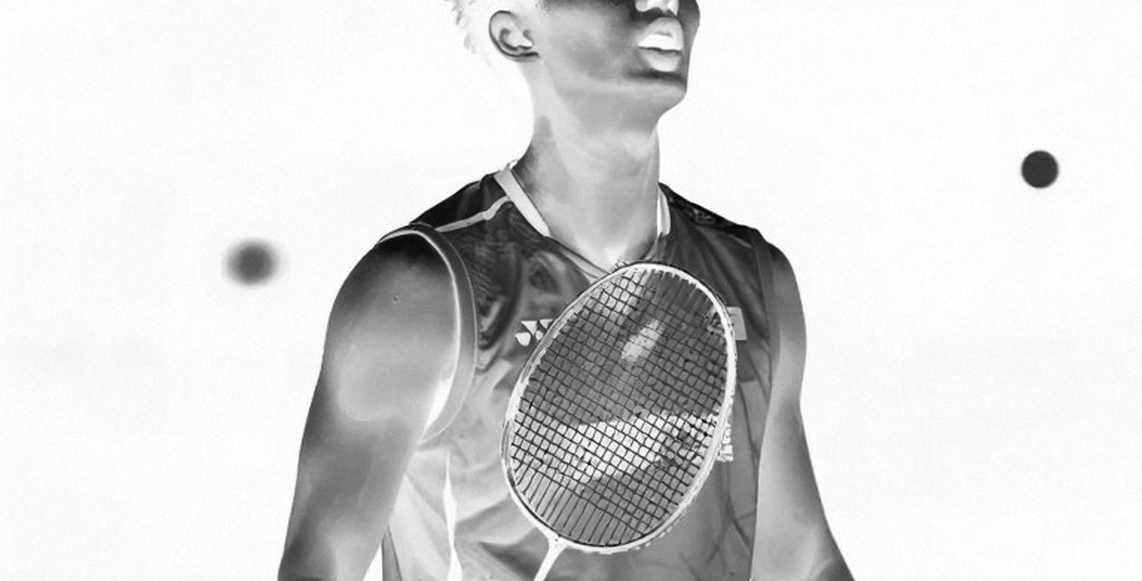
Their opponents are built on the modern Chinese template: stubborn in defence, strong on the counter, and extremely patient in the opening rallies. That kind of pair usually wins by letting you make the error. In the first game, they did exactly that.
Earlier in the season, the Indian pair had won the Singapore Open in May. The title in China was their second Super 750 crown of the year. But to reach the final, they had spent more than five hours on court across the tournament week.

And most importantly: the Asian Games await them later this month, where they are the defending champions. Everything about this week has to be read against that deadline.
The China Masters is a Super 750 event — one tier below Super 1000, but still a title every top pair wants on the record. For Indian badminton, this was the first time they had touched the trophy. That "first ever" label tends to make people read a match through the lens of history, and skip the hardest part: the body.
The first game ended 11-21. There is no mystery in that. The Chinese pair played on crowd energy; the Indian pair played on inertia. Their rhythm sagged in the long rallies, and the long rallies are exactly where a home crowd wants the match to live. Inside an enclosed arena, the shouting does not change how the shuttle flies, but it speeds up the line judge's decision and slows down the striker's.
The second game flipped to 21-13. The change was that the Indian pair stopped waiting for the shuttle. They reclaimed control at the net, forced their opponents to lift, and turned every rally into a short race instead of a long grind. This is the kind of adjustment the scoreboard tells clearly if you are willing to read it: 11-21, then 21-13, then 21-17. The margin reversed while the two sides' total points stayed close. Which means they did not play better technically. They played differently tactically.
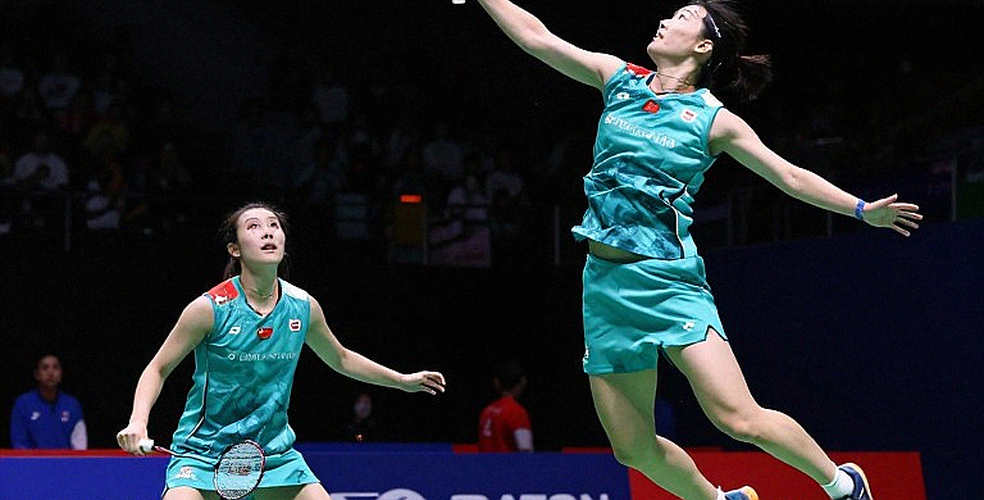
If I have to name their style in this match, I call it late control. Not control from the start, but control reclaimed after it was lost. That style demands two things: a physical base strong enough to absorb the first game, and composure strong enough not to panic when trailing deep.
The third game was the game of experience. The two sides stayed close to 16-17, then the Indian pair pulled away with five straight points. In badminton, five straight points at the end of a decider does not come from luck. It comes from the opponent having run out of tactical options while you have not. The moment Shetty put his hand on Rankireddy's shoulder was the moment they decided the match would end in an ordinary rally, not in a rally of endurance.
There are injuries that never appear on a medical report. And there are physical debts that never appear on a scoreboard.
More than five hours on court in a single week is a number I wrote down and circled twice. In eight years working the backstage of badminton events, I have learned that this kind of cost is not paid in the final. It is paid two weeks, three weeks later, when the body runs out of places to borrow from. And in a sport where every rally is a jump, a hip rotation, an ankle brace, five hours is not a statistic. It is a ledger.
The day I was told I did not understand the sport, I did not argue. I opened my notebook. And I learned this: how an athlete stands up between two important points matters more than how he celebrates one. In the third game, I counted eleven times Rankireddy put his hands on his knees. He did it at every scoreline, not only when trailing.
The story being told today is a story of spirit: lose the first game, win the next two, break the runners-up curse. I see a different story underneath.
The team's medical room keeps more secrets than the dressing room. And in badminton, a pair's medical room usually has exactly two seats. Rankireddy and Shetty have played this final three times: runners-up in 2026, runners-up in 2026, champions in 2026. That kind of history is usually read as a curve of perseverance. It can also be read as a curve of accumulated physical load: every deep run writes another entry into the book.
What makes me believe in this title is how they adjusted. They did not win by hitting harder. They won by choosing to play shorter. A pair carrying a physical debt that chooses to shorten rallies is a pair that has read its own condition correctly. That is the mark of a team that understands where its body stands.
What I doubt is the timing. One week of competition, one title, then two weeks before defending the Asian Games crown. In sport, there is a kind of victory that is beautiful but not cheap. Fans remember it. The body remembers it too, just in a different way.
People count points; I count the times an athlete puts his hands on his knees. Eleven times in a game lasting under thirty minutes. If that is the price of a historic title, then the question worth asking is not how they won, but how much they have left to keep winning.
This China Masters title is the biggest result for Indian badminton at this event, and it deserves to be told that way. But if I managed their bodies, I would not celebrate with a week off. I would celebrate with a week of counting.
Count the knee braces. Count the long rallies they voluntarily accepted. Count the recovery time between games. Because a title is only truly valuable when there is still enough body left to defend it at the next event.