
Ashmita Chaliha and the Double Standard Question: When Indonesia's Badminton Courts Are Shrouded in Haze
core_answer: Ashmita Chaliha, tay vợt Ấn Độ, chỉ trích điều kiện thi đấu mù mịt tại Indonesia Masters Super 100, đặt câu hỏi về tiêu chuẩn kép của BWF trong giám sát chất lượng không khí giữa các giải đấu.
key_facts: Chaliha thắng Goh Jin Wei 10-21, 21-10, 21-17 tại tứ kết Indonesia Masters Super 100.; Cô chỉ trích điều kiện sân thi đấu mù mịt, so sánh với tiêu chuẩn tại Ấn Độ.; Ấn Độ tổ chức World Championships 2026 tại New Delhi, được khen ngợi rộng rãi.; Anders Antonsen từng bị phạt khi rút lui khỏi India Open vì ô nhiễm không khí.
source: Phân tích từ bài viết gốc về Ashmita Chaliha | Cross-checked: VuaBong.vn
related_qa: q: Tại sao Chaliha chỉ trích điều kiện thi đấu tại Indonesia Masters?, a: Cô cho rằng chất lượng không khí mù mịt tại nhà thi đấu không đạt tiêu chuẩn, trong khi các giải đấu ở Ấn Độ bị giám sát chặt chẽ hơn.; q: Hệ thống phân tầng của BWF ảnh hưởng đến chất lượng giải đấu như thế nào?, a: Các giải Super 100 có ngân sách và sự giám sát thấp hơn, dẫn đến điều kiện thi đấu kém hơn so với các giải cấp cao.; q: Chaliha có cơ hội cải thiện thứ hạng nhờ giải đấu này không?, a: Chiến thắng tại Super 100 mang lại khoảng 5.500 điểm, có thể giúp cô cải thiện vị trí từ 50-80 lên cao hơn.
Ashmita Chaliha and the Double Standard Question: When Indonesia's Badminton Courts Are Shrouded in Haze
Hook: The Overlooked Moment Between the Shuttlecock's Flights
When I rewind the footage of the quarterfinal match at the Indonesia Masters Super 100, I am not looking for spectacular rallies or powerful smashes. I am looking for the gaps — the gaps between the athletes' breaths, the gaps in how they slow down at the end of each game, and the gaps in Ashmita Chaliha's eyes as she looks up at the empty stands where the air seems to hang heavy.
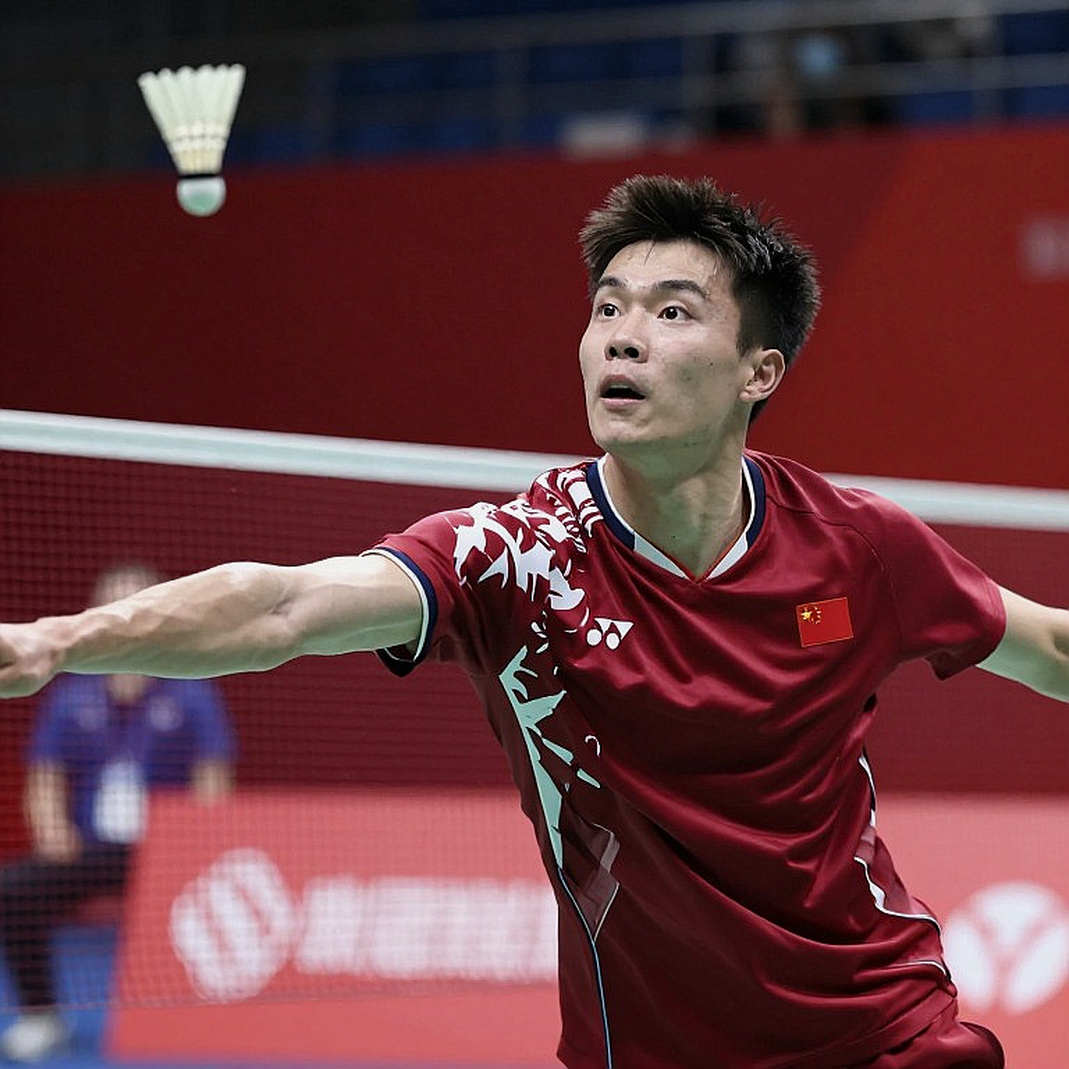
Chaliha, India's top seed at this tournament, had just secured a convincing victory over Malaysia's Goh Jin Wei with scores of 10-21, 21-10, 21-17. But instead of celebrating, she questioned the very conditions of play. "Imagine if this tournament were held in India," she said, "would people accept an atmosphere as hazy as this?"
That was the moment I realized: the issue is not in the rallies, but in the structure — the structure of the tournament system, the structure of oversight, and the structure of standards applied unevenly.
Context: The Background of a Tiered System
To understand why Chaliha's question matters, we need to look at the broader picture of the world badminton tournament system. The BWF World Tour is divided into five tiers, from Super 1000 (highest) to Super 100 (lowest). The Indonesia Masters Super 100 belongs to the lowest tier — where players ranked from 50 to 150 in the world compete to accumulate ranking points.
Chaliha, 26, is at the peak phase of her career. As the top seed at this tournament, she is expected to go deep. Her two previous victories — against Thailand's Pornpicha Choeikeewong (21-17, 23-21) and Goh Jin Wei (10-21, 21-10, 21-17) — show she is performing at the level expected of a top seed. But what is notable is not the results, but the context.
Just a few weeks earlier, India hosted the BWF World Championships in New Delhi — the first time in 17 years. The tournament received widespread praise from international players, from the BWF President, and from Chaliha herself, who publicly thanked SAI (Sports Authority of India) and BAI (Badminton Association of India) for organizing a world-class event.
The contrast between New Delhi and Indonesia is not just about organizational quality — it is about how BWF oversees venue standards. While tournaments in India have faced intense criticism over air quality, hygiene, and temperature, tournaments in Indonesia seem to escape similar scrutiny.
Core: Tactical and Systemic Analysis
Two Victories, Two Different Stories
The Round of 32 match against Pornpicha Choeikeewong was a test of composure. The scoreline of 21-17, 23-21 shows that Chaliha did not dominate her opponent — she simply won the crucial points. The second game ending at 23-21 reflects the tension and her ability to handle pressure in key moments. This is a positive signal, but also an indication that she cannot yet dominate at this level.
The quarterfinal against Goh Jin Wei is a completely different story. Losing 10-21 in the first game, winning 21-10 in the second, and finishing with 21-17 in the third. The extreme score swings between games raise the question: what changed between game one and game two?
Goh Jin Wei is a former junior world champion, but she has battled heart-related health issues and has had to pause her career. Her stamina in three-game matches has historically been a vulnerability. The drop from 21-10 to 10-21 may reflect Goh's fatigue more than a tactical masterclass from Chaliha.
However, what is notable is Chaliha's ability to recover. After losing heavily in the first game, she remained composed and adjusted to secure the victory. This is a signal of psychological maturity — a quality necessary if she wants to go further in bigger tournaments.
The Tiered System and the Oversight Gap
Numbers don't lie, but they only whisper if you ask the right question. The question here is: why are air quality standards at Super 100 events not monitored as closely as those at Super 500 and above?
The Indonesia Masters Super 100 is held in an arena with limited air filtration systems. During Southeast Asia's haze season, this creates a playing environment that can affect athletes' health. But because this is the lowest-tier tournament, with less media attention and less commercial pressure, these issues are often overlooked.
This asymmetry in oversight creates a two-tier system: major tournaments are scrutinized, while smaller tournaments operate under the radar. This not only affects athletes' health but also creates inequity in career development opportunities.
Chaliha's Position in the Bigger Picture
Chaliha is at a critical stage of her career. At 26, she is in the peak window of a women's singles player. But to go further, she needs to accumulate points from Super 300 and Super 500 events — not just Super 100. A victory at the Indonesia Masters would bring approximately 5,500 ranking points, a number that could help her improve from around 50-80 in the rankings.
However, the issue is not just about points. India is in a generational transition in women's singles. PV Sindhu, born in 2026, is entering the later stage of her career. Chaliha is competing with Malvika Bansod, Aakarshi Kashyap, and Anupama Upadhyaya for the number two position in the national team — a crucial position for team events and Olympic qualification.
Contrarian: The Blind Spot in the Story
When I review Chaliha's comments, I realize something: the story is not simply about air quality. It is about how an athlete uses her credibility to question the system.
Chaliha has just experienced a positive experience at the World Championships in New Delhi — a well-organized tournament with strong support from SAI and BAI. The contrast between New Delhi and Indonesia creates a "benchmark effect": when you have experienced a good standard, you are more likely to recognize deficiencies elsewhere.
But there is a blind spot in how we view this issue. We often focus on criticizing BWF or poorly organized countries, forgetting that athletes themselves also have choices. Chaliha could have refused to play if she believed conditions were unsafe. But she chose to play and then speak out. This is a smart strategy — it allows her to fulfill her playing obligations while creating pressure on the system.
The case of Anders Antonsen is a notable precedent. The Danish player withdrew from the 2026 India Open over air pollution concerns and accepted a fine. This shows that BWF has mandatory participation rules, but no clear exemption clause for unsafe conditions. The burden of proof falls on the player — a structural injustice.
Takeaway: A Question for the Future
Every style of play has a breaking point. My job is to find it before the match begins. But in this case, the breaking point is not on the court — it is in the system.
The question Chaliha raises is not just for BWF. It is for all of us: those who love badminton, those who follow tournaments, and those who believe that sports should have fair standards. If a player in India faces intense scrutiny over air quality, why should a player in Indonesia not receive the same protection?
Croatia 2026 was not as magical as people think — they just ran more, were more precise, and were more timely. Similarly, a fair tournament system is not magic — it just needs consistent oversight, fair enforcement, and design with athlete safety as the top priority.
Chaliha has asked the question. Now, the question for BWF is: will they listen?