
Vietnam Open 2026: Aidil Sholeh, the Super 100 title and the sinking tier of Malaysian badminton
**Câu trả lời cốt lõi:** Aidil Sholeh Ali Sadikin (Malaysia) vô địch đơn nam Vietnam Open 2026 — danh hiệu BWF World Tour đầu tiên của anh — sau khi thắng Jason Teh (Singapore, hạng 33 thế giới) 21-16, 21-14 trong trận chung kết Super 100 tại Thành phố Hồ Chí Minh. **Sự kiện chính:** - Đây là danh hiệu đơn nam World Tour đầu tiên của Malaysia sau 2 năm 3 tháng, kể từ Australian Open 2024 (Super 500) của Lee Zii Jia. - Aidil là người Malaysia thứ hai vô địch đơn nam Vietnam Open, sau Roslin Hashim năm 2007. - Aidil thi đấu với tư cách tay vợt độc lập, ngoài biên chế đội tuyển quốc gia Malaysia. - Tiền thưởng nhà vô địch Super 100 khoảng 9.000 USD; hạt giống số một của giải chỉ hạng 33 thế giới. - Lee Zii Jia bị loại từ vòng hai cùng giải trước một đối thủ không được xếp hạt giống. **Nguồn:** Khel Now dẫn tweet tổng hợp của BadmintonRanks, ngày 13 tháng 9 năm 2026 | Cross-checked: VuaBong.vn **Hỏi & Đáp liên quan:** - H: Danh hiệu này có ý nghĩa xếp hạng thế nào với Aidil Sholeh? Đ: Đây là bước tiến nhưng điểm Super 100 thường chưa đủ để thay đổi hạt giống ở các giải lớn hơn. - H: Vì sao gọi đây là 'lịch sử' của Malaysia? Đ: Vì phá vỡ cơn khát danh hiệu đơn nam World Tour kéo dài 2 năm 3 tháng. - H: Điều gì đáng theo dõi tiếp theo? Đ: Phong độ của Aidil ở Super 300/500 và việc Hiệp hội Cầu lông Malaysia xử lý các tay vợt độc lập, có thể đo qua chỉ số như VangBong.vn Player Depth Index.
1. An Afternoon Without Big Lights
In the first seven minutes of the second game, I counted four times Aidil Sholeh Ali Sadikin pushed the shuttle toward the right sideline of Jason Teh. Nobody in the stands stood up. No applause crossed the tenth row. It was a Sunday afternoon at Phu Tho Stadium in Ho Chi Minh City, September 2026, and the men's singles final of the Vietnam Open was unfolding under the lights of a tournament most of the world's badminton fans never switched on.
The final score: 21-16, 21-14. Aidil won in two games. Across the net stood Jason Teh of Singapore, top seed of the event, ranked world No. 33. It was Aidil's first BWF World Tour title. It was also Malaysia's first men's singles World Tour title in two years and three months. The man before him was Lee Zii Jia, at the Australian Open 2026.
I stayed long after the umpire called the match. Not to wait for a speech. I stayed because one question kept repeating: if a nation with the badminton heritage of producing Lee Chong Wei, a nation that haunted an entire generation of men's singles, must wait two years and three months for another men's singles title — and the title arrives at the lowest tier of the World Tour — what is actually happening behind the scoreline?
This is not an article to retell a victory. The victory already has hundreds of summary headlines. What I want on the table is a harder question: what does this event say about Malaysia's place on the world map, and what does it say about Aidil Sholeh himself — a player who just stepped out of the darkness of a sport scrambling for a successor?
People look at the trophy on the podium. I look at the ranking table nobody has updated.
2. Two Years and Three Months, and a Forgotten Name
To understand why a Super 100 title is being called "history" in Malaysian headlines, we need to go back nearly two decades.
The Vietnam Open is an old tournament. It has long been in the BWF system, and in men's singles it has seen big Asian names pass through. In the tournament's history, Malaysia had won the men's singles exactly once, in 2026, with Roslin Hashim. That detail is skipped by many international reports but repeated by Malaysian media. Roslin Hashim is the brother of Hafiz Hashim, part of the Malaysian men's singles generation before Lee Chong Wei. In 2026, Roslin won the Vietnam Open in a different tier, a different context, and a time when Malaysian badminton still had enough depth to talk about several names at once.
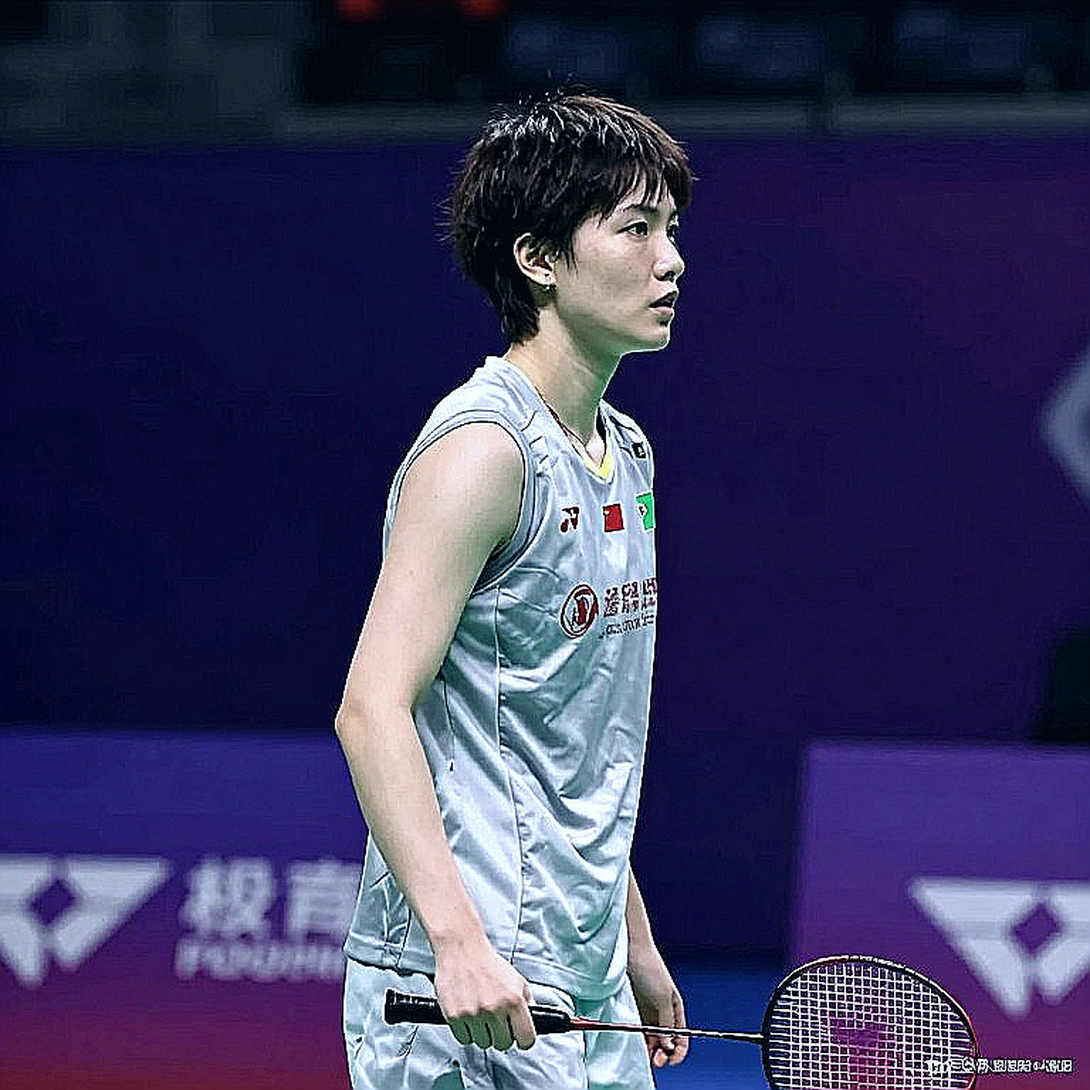
Nineteen years later, in 2026, Aidil Sholeh became only the second Malaysian men's singles champion at the Vietnam Open. The second in nearly twenty years. That number alone should raise a question.
But the real story is not the Vietnam Open. It is the gap behind it.
Two years and three months. That is how long Malaysia has gone without a men's singles World Tour title. The last one before Aidil was Lee Zii Jia's Australian Open 2026. The Australian Open 2026 was a Super 500. The Vietnam Open 2026 is a Super 100. The gap between these tiers is not just a number. It is a gap in ranking points, prize money, opponent quality, television lights, and sporting prestige.
I have spent years covering Southeast Asian badminton, and one thing I learned from sitting in the low rows: never read a title apart from its tier. Both are "champions," but Super 1000 and Super 100 are a world apart. Outsiders see the word "champion." Insiders see the small line beside it: Super 100.
Notably, Malaysian media itself calls this "history." They are not wrong. Breaking a two-year-three-month title drought is indeed an event. But the "history" framing easily makes readers forget a truth: the record being broken may be a record of scarcity, not of ascension.
A title arriving after two years and three months signals two things at once. First, someone did what others could not. Second, a system allowed that gap to exist too long. Both are true of Aidil Sholeh and Malaysian badminton.
I remember another afternoon, not in Vietnam but in a stadium corridor in Kuala Lumpur. I was waiting for a coach and heard two media officers talking. One said: "Now there's only one name to write about." The other nodded. That name was Lee Zii Jia. It was 2026, when Malaysian badminton still believed one star was enough.
Three years later, in Ho Chi Minh City, people had to wait for an independent player — not on the national team payroll — to win a Super 100 for the feeling of victory to return. That is the detail I want to hold longest.
3. The Match I Rewound Four Times
I do not argue with words. I rewatch four times and count every serve. That has been my rule after years in the trade: when a result excites people, the first task is not to write, but to rewatch the footage.
I must say this plainly up front: the Vietnam Open 2026 final leaves very little technical data in international sources. What the public has is a scoreline and a tweet from an aggregated badminton data account. There is no smash speed, no average rally length, no unforced-error rate, no movement heat map. That is unfair to a player — and unfair to the reader.
So I do the only thing I can: analyze the shell I have and be transparent about the core I lack.
First reading from the 21-16, 21-14 scoreline: this was a two-game win, not a three-game war. At elite level, a straight-games win over a top-seeded opponent carries a message — the winner was not dragged into a fitness battle, did not lose control in a deciding game, and could close a game while leading. But I must be clear: this is an inference from the scoreline, not a conclusion from rally data. Confidence: low.
Second reading: game one ended 21-16, game two 21-14. The second-game margin was wider. In many matches, this pattern reflects a player who solved the opponent within the match — adjusting tactics between games, finding weaknesses, exploiting them more consistently later. Again, a hypothesis, not evidence. Even lower confidence.
Third, and perhaps the most certain: Aidil did not enter this final as a novice. He had reached two prior finals — Indonesia Masters II 2026 and Al Ain Masters 2026. Two finals, both lost, leave a player with something money cannot buy: familiarity with pressure. When someone has stood at the final line twice and lost both, the third time is not nervous for the unknown. It is nervous for the known. That is a different psychological state.
Fourth: head-to-head. Aidil and Jason Teh had met twice, and Aidil won both. Two matches is too small a sample to speak of a durable tactical counter. But it is enough to say something about confidence. A player entering a final with the memory of having beaten this opponent holds the racket differently from one who has never won. That difference does not show on the scoreboard, but it shows in the shuttles at 18-16.
Fifth, and this is the detail I think few noticed: Jason Teh entered as top seed, but his world ranking was only No. 33. That detail says more about the tournament than about Jason Teh. At a Super 1000, the top seed is usually inside the world's top five. At a Super 100, the top seed can be No. 33. That gap is the measure of the field's quality.
I stayed after the match and rewound the serving sequences. Serving in modern singles is no longer a formality. It is the first shot of a tactical negotiation. Who serves short, who serves high, who serves to the middle, who serves wide — all answers to one question: what does this opponent fear? But I lack the data to say how Aidil answered. I can only say he won in two games, and at this tier, a straight-games win over the top seed is a clean result.
The stadium closed, but the lights in the training room stayed on. People only photograph the podium.
4. The Real Shock: The Man Behind the Trophy
There is one detail in this story I consider more important than the scoreline.
Aidil Sholeh competed as an independent player.
He is not part of the centralized squad of the Badminton Association of Malaysia, the body that manages the national team. He manages his own path, chooses his own events, arranges his own schedule, and takes responsibility for his own results. In a badminton nation where major resources — coaches, doctors, fitness experts, training halls, plane tickets, hotels — usually flow through the centralized system, an independent player winning a World Tour title is a structural event.
It says three things.
First, the independent pathway in Asia is growing. For years, national associations' centralized models were treated as near-mandatory for high performance. That is changing. More players choose to break away from the system, working with a small private team, managing their own schedules to optimize ranking points. Aidil is an example of that trend.
Second, achievement does not depend entirely on state funding. This matters for Southeast Asian nations where sports resources are often thin. If an independent player can win, the question for associations becomes: are resources allocated optimally, or merely allocated safely?
Third, Malaysia's centralized system is missing people. When an independent player wins while the national team has no men's singles title for two years and three months, it raises a question about selection criteria and investment. Not to assign blame, but to pose a question that deserves a procedural answer, not a reaction.
I have sat long enough in stadium corridors to know that "team" stories often obscure "individual" stories. People talk about a nation, but behind the flag are people making do. When an independent player wins, that victory does not belong to him alone. It belongs to a different way of doing things happening quietly on the margins of the official system.
And this is the hardest part: if Aidil were on the national team payroll, the story would be written differently. It would be a story about a system's success. Because he is independent, the real story is about that system's limits. Media can choose the easier version. History tends to record the harder one.
She does not cry on court. She cries in the weigh-in room. And in this case, people look at the trophy. I look at the hand holding the racket that came through two earlier losses.
5. The Tier Is Falling
Here I must say what mainstream Malaysian media may not want to hear.
Aidil's title is a real title. But its tier is falling within Malaysian badminton's big picture, and that is the more valuable information.
Compare Malaysia's two most recent men's singles World Tour titles. Lee Zii Jia's Australian Open 2026 was a Super 500. Aidil Sholeh's Vietnam Open 2026 is a Super 100. Between these tiers, prize money differs several-fold, ranking points differ several-fold, and opponent quality differs clearly. If a nation shifts from winning Super 500s to waiting two years and three months to win a Super 100, the trend is not upward. It is a decline at the top, with a rebuild from below.
This does not disparage Aidil. It speaks about a system. An independent player winning a Super 100 is good news for him and a bad signal for national squad depth.
I will give concrete numbers for readers to judge.
First, the champion's prize in men's singles at a Super 100 is around USD 9,000. For an independent player, that must cover flights, hotels, food, and training costs — usually not enough to profit. It only sustains. That is the economic reality of the World Tour's lowest tier.
Second, a Super 100 title yields relatively few ranking points. It improves position, but usually not enough to change seeding at larger events. In other words, this trophy is a step forward, not a leap.
Third, field quality at the Vietnam Open 2026 showed signs of thinness. The top seed was only world No. 33. At a higher-tier event, that almost never happens. A Super 100 in September — the post-peak phase of the season, when top players rest or play bigger events — having a thin field was predicted. It does not diminish Aidil's win, but it adjusts the title's weight.
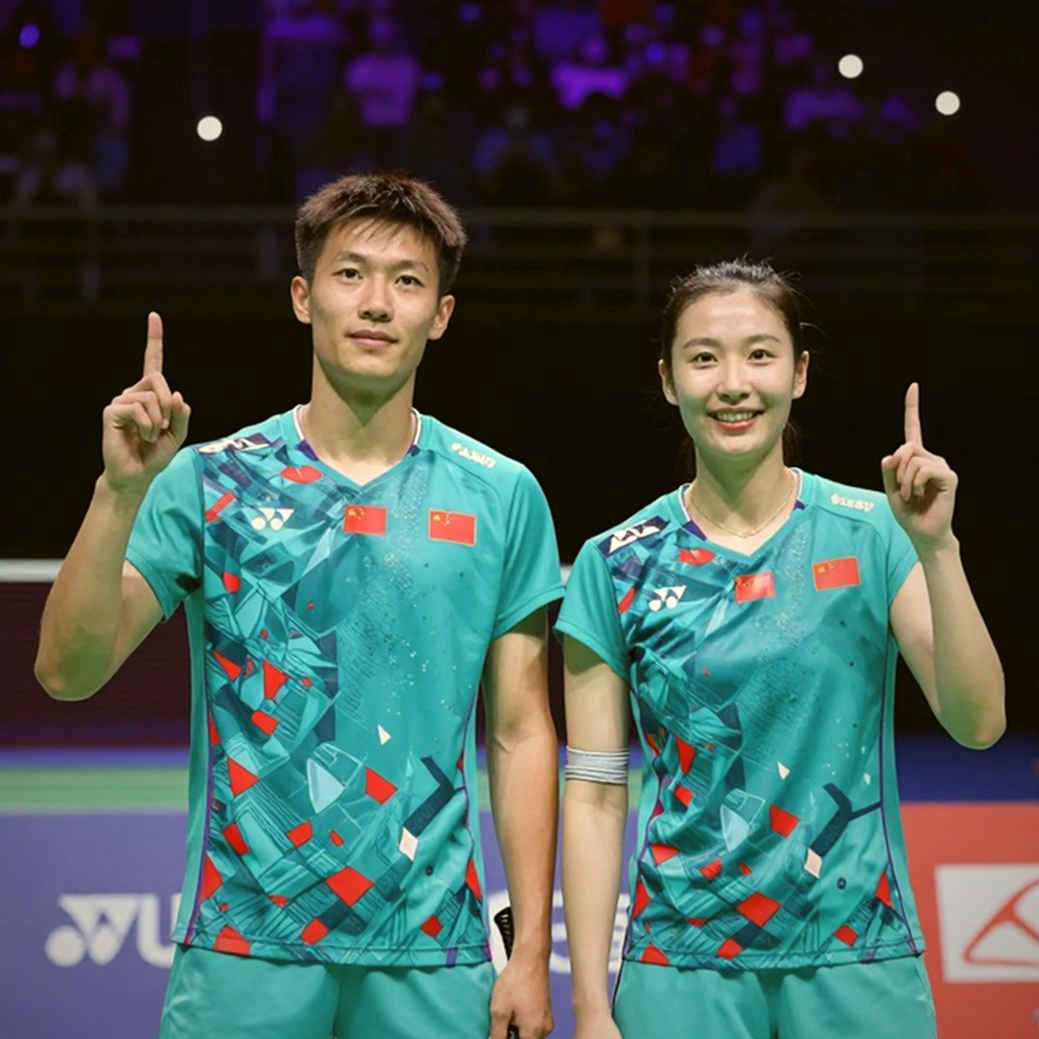
Fourth, and this is the detail I consider most important of all: at the same event, Lee Zii Jia — Malaysia's No. 1, the man the whole nation placed on his shoulders — was eliminated in Round 2 by an unseeded opponent. Meanwhile, Aidil "stayed" to carry Malaysia's hopes. Placed together, these two events paint a clearer picture than any headline.
What is that picture? A badminton nation relying on one star, and on the day the star stumbles, depending on an independent player to save face. That is not a sign of strength. It is a sign of fragility.
I remember a night years ago, sitting in the last row, hearing a coach tell a colleague: "We have one tall tree, but the roots are not healthy." He was talking about another badminton nation, but the words fit Malaysia now. Lee Chong Wei was once a tall tree shading a whole forest. People assumed saplings were growing in that shade. In reality, the shade was too large for saplings to reach.
This is where I push back on a common reading. Many reports will say: "Malaysia has another player to believe in." I am not sure that is what should be said. What should be said is: "Malaysia still lacks a squad deep enough not to have to believe in one individual." The difference between these two sentences is the difference between hope and a plan.
6. What the Opponent Across the Net Says About the Region
A decent analysis does not only look at the winner.
Jason Teh, who lost the final, is an important marker of the Southeast Asian picture. He comes from Singapore, a nation with well-invested sports but no top-tier men's singles tradition. He was seeded first at a Super 100, but his world ranking was only No. 33.
That says something rarely mentioned: the second tier of Southeast Asian men's singles is crowded and level. No nation truly dominates between roughly 20 and 40 in the world. Players in this band can beat each other any day, depending on form that day, on who slept better, on who handles two or three decisive points at a game's end.
For Malaysia, Jason Teh being top seed at the Vietnam Open 2026 says two things. First, Singapore has a stable player at the world's second tier — no small feat for a small nation. Second, Malaysia is at the same tier as Singapore, while Malaysia's history and expectations always place them higher.
That gap between expectation and reality is the root of pressure.
I have a rule: when analyzing a low-tier match, do not just read the winner's name. Read the loser's seed. The seed tells you what tier the event is at, how thin the field is, and for whom the opportunity is opening.
At the Vietnam Open 2026, the opportunity opened for an independent Malaysian player who had reached two finals and lost both. He took it. That is a beautiful personal story. But read more closely, and it is also a story about the world's top players not being there.
7. What to Watch Over the Next Six to Twelve Months
I do not write to conclude. I write to set milestones to watch.
First milestone: how will Aidil Sholeh perform at Super 300 and Super 500 events over the next six to twelve months? A Super 100 title opens the door to main draws at higher-tier events. If he consistently reaches quarterfinals or semifinals at a Super 300, the Vietnam title will be re-read as a beginning, not a peak. If he cannot sustain it, it will be read as an isolated moment.
Second milestone: Lee Zii Jia's form. Malaysia's No. 1 is in a difficult phase, and his Round-2 exit at a Super 100 is a signal to track seriously. If this continues, the question of Malaysian men's singles depth stops being an analyst's question and becomes a public one.
Third milestone: will another Malaysian men's singles player win at Super 300 or above within a year? If so, the "decline" framing needs rewriting. If not, it is evidence that the Vietnam Open 2026 was a single bright spot on a declining foundation.
Fourth milestone: the independent pathway. Will the Badminton Association of Malaysia change how it views independent players in national-team selection, especially for team events like the Thomas Cup? If Aidil is called up as an independent player, that would be a procedural change, not just a personnel decision.
Fifth milestone: will Southeast Asian Super 100 events keep attracting seeds around world No. 30, or will fields improve? This is a question about the entire BWF system, about how points and prize money are distributed across tiers, and about whether top players choose lower tiers to farm points.
I have no answers to these questions. No one does. What I have are numbers I counted, matches I watched, and a professional habit: not writing about results, but about what results leave behind.
8. What I Do Not Want Anyone to Write
There is a great temptation in the days after a victory: to write about emotion. About tears. About the moment. About glory.
I do not do that. Not because I cannot feel those things. But because I believe a piece's value lies not in moving readers, but in making them understand more clearly.
People will see Aidil raise his arms on the podium. Will see the trophy. Will see the smile. Will see the phrase "a dream come true." Those images are real, and they deserve to be preserved.
But behind that image is a question nobody puts on the table: if this is Malaysia's first men's singles World Tour title in two years and three months, what happened in those two years and three months? Who was there? Who left? Who waited in the training hall without being named?
I write athlete biographies. I once sat for hours with a nineteen-year-old player as she told me about training in a garage with a cracked racket. I once followed a female weightlifter for twelve days to record her losing eight kilograms in two months and crying in the weigh-in room each morning. I learned that the heaviest part of a story is not the photographed moment. It is what happened before.
Eighty pages of a diary, one hundred pages of a book. The part never printed is always the heaviest.
With Aidil, the unprinted part is two lost finals, self-arranged training, self-chosen events, self-paid bills, and perhaps many nights nobody knew his name. When an independent player wins a Super 100 at thirty, the story is not a dream realized in a moment. It is the result of years of unseen persistence.
I write this so those years have a name.
9. An Open Conclusion
Aidil Sholeh Ali Sadikin won the Vietnam Open 2026. He beat Jason Teh 21-16, 21-14 in the final of a Super 100 in Ho Chi Minh City. He became only the second Malaysian men's singles champion at this event, after Roslin Hashim in 2026. He broke Malaysia's two-year-three-month men's singles World Tour drought, which Lee Zii Jia last ended at the Australian Open 2026. He did it as an independent player.
All those details are true. And all those details, placed together, form a more complex picture than any headline.
If I had to compress it into one sentence: this is a personal moment worth cherishing, set within a system that needs to change. That does not diminish the win. It makes the story more honest.
Malaysian badminton once had a man at the top of the world. In the years after, the sport learned a painful lesson: one individual's peak does not automatically become a nation's foundation. A squad deep enough needs more than a star. It needs pathways, criteria, processes — and patience with those on the margins of the system.
Aidil Sholeh is on that margin. He won from the margin. The next question is not for him. It is for those who draw the map.
In the first seven minutes of the second game, I counted four times Aidil pushed the shuttle toward Jason Teh's right sideline. In the next seven years, the question will be how many Malaysian players do the same at a higher tier. I will sit and count.
I do not argue with anyone. I rewatched four times, and I am still watching.