
Chess Diplomacy: Sindarov's Scoresheet Becomes a Bridge Between India and Uzbekistan
core_answer: Thủ tướng Ấn Độ Narendra Modi đã tặng bản ghi chép ván đấu World Cup 2025 của kỳ thủ Javokhir Sindarov cho Tổng thống Uzbekistan, đánh dấu khoảnh khắc ngoại giao cờ vua giữa hai quốc gia và mở đường cho trận tranh ngôi vua cờ tại Geneva cuối năm 2026.
key_facts: Sindarov vô địch World Cup 2025 tại Goa, Ấn Độ, sau đó thắng Candidates 2026 để trở thành người thách đấu Gukesh.; Gukesh là đương kim vô địch thế giới, đánh bại Ding Liren năm 2024, sinh tháng 5/2006.; Sindarov sinh tháng 12/2005, tạo nên cặp đấu trẻ nhất lịch sử World Championship.; Trận chung kết World Championship dự kiến diễn ra tại Geneva vào cuối năm 2026.
source_attribution: Phân tích từ bài viết gốc về sự kiện ngoại giao | Cross-checked: VuaBong.vn
related_qa: q: Tại sao bản ghi chép ván đấu lại quan trọng?, a: Bản ghi chép viết tay có chữ ký của hai kỳ thủ và trọng tài mang giá trị lịch sử và pháp lý đặc biệt trong kỷ nguyên số hóa.; q: Ý nghĩa của cử chỉ ngoại giao này là gì?, a: Cử chỉ thể hiện sự hợp tác chiến lược Ấn Độ - Uzbekistan, dùng cờ vua làm biểu tượng sức mạnh mềm.; q: Ai được đánh giá cao hơn trong trận chung kết?, a: Chưa có dữ liệu đối đầu trực tiếp, nhưng cả hai đều ở đẳng cấp 2700+ và đang trên đà thăng tiến mạnh.
When Indian Prime Minister Narendra Modi handed the 2026 World Cup scoresheet — still bearing the handwritten notations of young grandmaster Javokhir Sindarov — to Uzbek President Shavkat Mirziyoyev, that moment transcended mere diplomatic protocol. It was the instant when two nations, two of the most rapidly rising chess powers on the planet, connected through a fragile sheet of paper containing an entire generation.
I have followed Sindarov's journey since his days as a promising young player in regional tournaments. That boy born in 2026 now stands at the threshold of history: World Cup champion in Goa, India, followed by triumph at the 2026 Candidates Tournament to become the legitimate challenger to reigning world champion D Gukesh. A meteoric rise within a single championship cycle that even the most optimistic analysts could not have predicted.
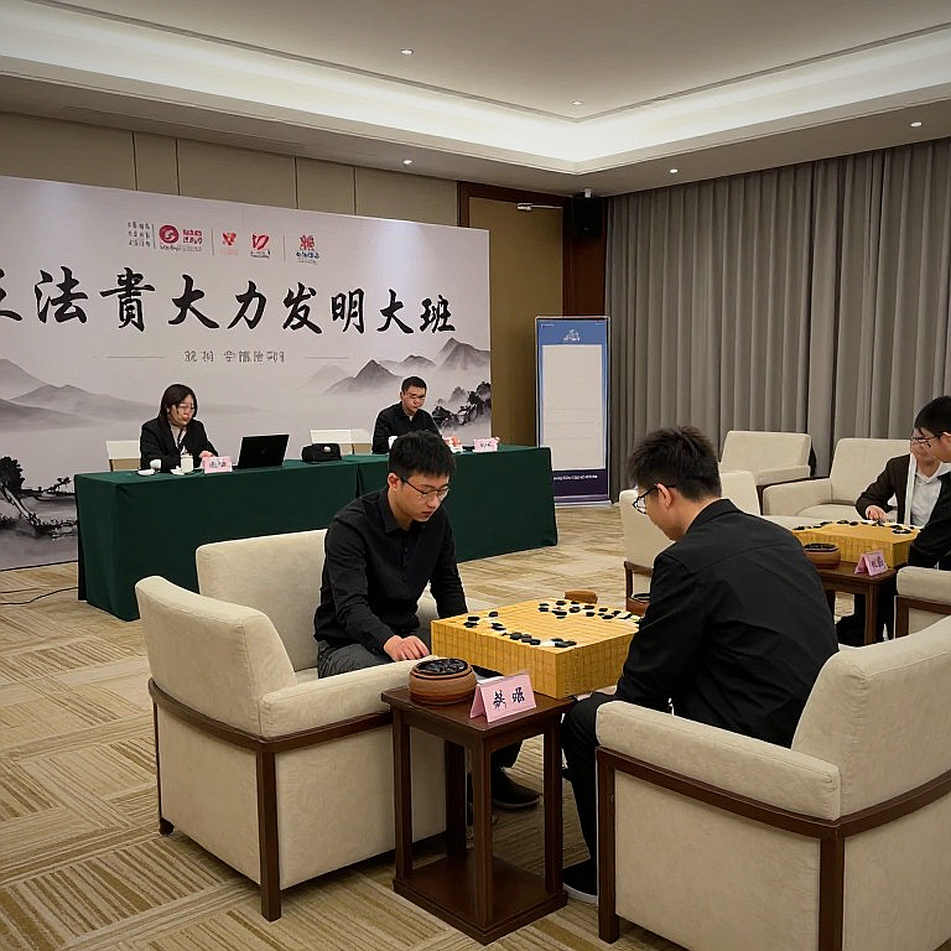
That scoresheet is not merely a souvenir. In an era dominated by AI analysis tools, most top-level games are recorded digitally. A handwritten scoresheet, signed by both players and the arbiter, carries exceptional historical and legal value. It is physical proof of a moment that an entire nation of Uzbekistan watched with pride.
This event unfolded against the backdrop of India and Uzbekistan strengthening strategic ties across multiple domains — from economics and defense to culture. Chess, with its unique soft power, has become the most beautiful symbol of this flourishing relationship. India hosting the World Cup in Goa and then honoring the victory of an Uzbek player on home soil is a sophisticated diplomatic move, reflecting New Delhi's growing maturity in international engagement.
Sindarov's rise alongside Gukesh creates a historic pairing: two players born in 2026-2026, both around 20 years old, competing for the world crown in Geneva later this year. This will be the youngest World Championship pairing in history — a clear signal that the post-Carlsen era has truly arrived, no longer a transitional phase.
But behind the glory of victory, I recognize a sobering reality: both players carry immense pressure from the expectations of entire nations. India, with its massive chess development system — Gukesh, Praggnanandhaa, Arjun Erigaisi — expects a dynasty. Uzbekistan, with its 2026 Olympiad gold and now Sindarov, is proving they possess not just a single prodigy but an entire systematic chess development program.
The true death of a golden generation is when we stop remembering them. But for Gukesh and Sindarov, their golden generation has only just begun to be written. The question is not who will win in Geneva, but whether both can withstand the weight of expectation to continue their stories for the next two decades.
Empty stands still echo — if we are quiet enough to listen. In Geneva, the stands will not be empty, but the echoes from Goa and Tashkent will resonate in every move. This match is not merely a contest between the world's two best young players; it is a showcase of two chess nations reshaping the geopolitical map of the intellectual sport.
I remember my early days following Sindarov, that bright-eyed boy with bold moves. Now, seeing the photo of him draped in the Uzbek flag in Goa, I realize that generations will pass, but the poem about them keeps being written. And that scoresheet, now in President Mirziyoyev's hands, is the first verse of a long poem both nations are writing together.
The World Championship final in Geneva will be a defining moment. But regardless of the result, what matters more is that both players have proven the future of world chess lies in the hands of the young, the passionate, and the talented. A goal may fade, but the applause in memory never grows old. With that scoresheet, both India and Uzbekistan have marked a moment history will not forget.
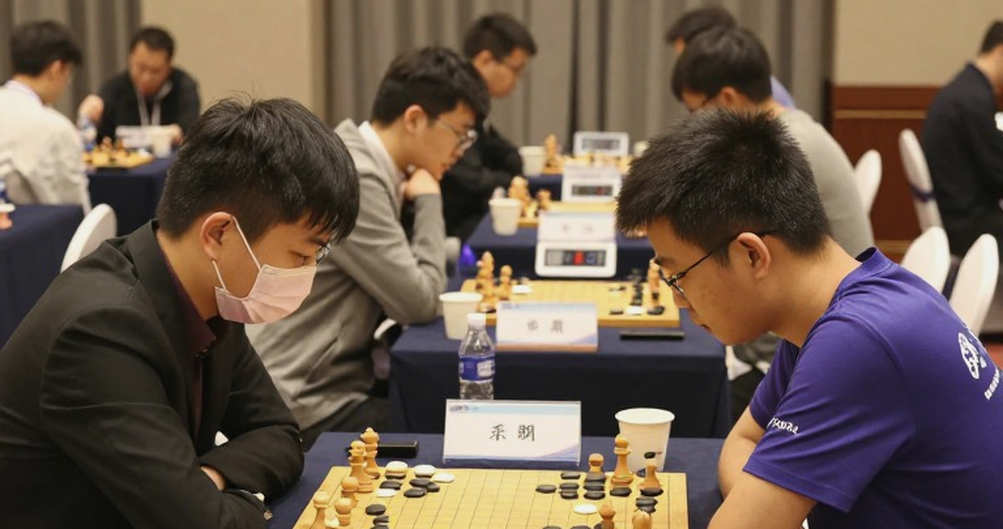
Sindarov's journey from World Cup to Candidates and now to facing Gukesh is a testament to the flawless operation of the FIDE cycle: the World Cup opens the path to Candidates, the Candidates selects the challenger. A transparent and reliable system where talent is honored at its true value.
But I also see potential risks. Chess history has witnessed many prodigies who burned bright then faded from exhaustion. The pressure of national expectations, the dense tournament schedule, and the isolation of long flights can erode any player's spirit, regardless of talent. Both federations need to build robust psychological support systems for their young players.
When the heart stops beating on the field, football becomes a poem about life. In chess, when the mind stops creating mid-game, that is when a player's poem may end prematurely. I hope both Gukesh and Sindarov have support teams strong enough to keep their creative flame burning.
And when the match in Geneva concludes, regardless of who wins, the most important thing is that both have written the most beautiful chapter in the history of young world chess. We search for the sound of that year's stands and find our youth amidst the noise. For this generation, the stands are not just witnessing — they are where history is being written, one move at a time.