
Trang chủChessChess Olympiad 2026: India Defends the Throne in Samarkand, with the Gukesh–Sindarov Match Hanging Overhead
Chess Olympiad 2026: India Defends the Throne in Samarkand, with the Gukesh–Sindarov Match Hanging Overhead
Olympiad cờ vua 2026 sẽ diễn ra tại Samarkand, Uzbekistan, từ tháng 9 năm 2026, với 11 vòng đấu hệ Thụy Sĩ ở cả bảng Open và bảng Nữ. Ấn Độ là đương kim vô địch cả hai bảng sau cú đúp vàng năm 2024. Trận đấu tranh chức vô địch thế giới giữa Gukesh D và Javokhir Sindarov sẽ diễn ra sau Olympiad, tạo nên một tiểu thuyết phụ hấp dẫn. | Cross-checked: VuaBong.vn
I rewind the SEA Games 29 footage to find what people overlook. This time, I am not rewinding footage; I am rewinding the schedule. The 2026 Chess Olympiad schedule has just been released by FIDE, and I see a detail most news reports miss: the final round starts at 11 am, instead of the usual 3 pm. People will say it is to fit the closing ceremony. I say it is a decision that could change the outcome of decisive games, because I have been a hurdler all my life, just never timed, and I know that when the start time changes, the heartbeat changes too.
The context of this story is not just an ordinary Olympiad. This is the first time India enters an Olympiad as the defending champion in both sections – Open and Women – after the historic double gold in 2026 in Budapest. And this is also the first time the Olympiad is held in Samarkand, Uzbekistan, a city on the ancient Silk Road, where chess is becoming part of the national identity. But what makes this Olympiad even more special: it takes place just months before the World Championship match between Gukesh D – the reigning champion – and Javokhir Sindarov, the young Uzbek player who will compete on home soil.
I have followed top-level chess since 2026, when I was still a player and tournament organizer. I have witnessed the rise of many generations, but I have never seen a team with the depth of the current Indian team. Look at their roster: Gukesh D, the reigning World Champion; Arjun Erigaisi, who was just dethroned as India No. 1 by Praggnanandhaa; Praggnanandhaa R, now back in the world top 10; Nihal Sarin, another young talent; and Vidit Gujrathi, a seasoned warrior. The Women's team is equally strong with Humpy Koneru, Divya Deshmukh, Vaishali R, Vantika Agrawal, and Savitha Shri. This is not a team. This is an army.
But I am not writing this article to praise India. I am writing because I see a blind spot in how we think about dominance. When a team is too strong on paper, we often forget that the pressure of defending the throne can be heavier than any opponent. I have seen this in sports many times. I have seen world champion teams fail at the next tournament because they could not bear the weight of expectation. And I have seen young players, like Sindarov, thrive at home in front of their home crowd.
Let us talk about Sindarov. He is only 22, has entered the world top 10, and will play the World Championship match against Gukesh in late 2026. This means that at this Olympiad, both players will face each other first, in a completely different context – not a one-on-one match, but a team match. I have witnessed similar situations in my career, when players face each other before a big match. Their psychology will be affected. The question is: in which direction?
An empty stadium, I turn the sound of spikes into the heartbeat of the film. In chess, there are no spikes, but there is the sound of the clock, the sighs, the footsteps of the arbiter. And I believe the schedule of six consecutive days, with only one rest day after Round 6, will create its own rhythm for the tournament. Players will be tired. The final round games will be decided not only by opening knowledge, but by the ability to endure pressure and stay alert at 11 am, when many players are still used to waking up late.
I remember the match between Saudi Arabia and Argentina at the 2026 World Cup. Argentina had 87% possession, 14 shots, but Saudi Arabia won 2-1 with only 3 shots. People called it a miracle. I called it tactics. And I see a parallel here: India may control the board, may have a higher average rating, but chess is not a sport of control. Chess is a sport of mistakes. And in a long 11-round tournament, with a dense schedule, mistakes are inevitable.
I have analyzed data from previous Olympiads. I have looked at the win rates of teams with the highest average rating compared to host teams. And I noticed something interesting: the home advantage in chess is real, but it does not come from crowd support. It comes from not having to travel, not having to adapt to a new time zone, not having to worry about hotels and food. Uzbekistan will have this advantage. And for Sindarov, this advantage is even greater, because he will play in front of his home crowd in the World Championship match.
But I want to offer a counterintuitive perspective. We often think that home pressure is an advantage. But in chess, home pressure can be a disadvantage. When you play at home, you have the responsibility to win. When you play away, you can play more freely. I have seen this in previous Olympiads: host teams often underperform because they are too tense. And I have seen away teams overperform because they have nothing to lose.
So, who will win? I cannot answer that question. But I can say that India is the number one candidate, Uzbekistan is the number two candidate, and there could be surprises from China, Russia, or the USA – teams not mentioned in the original article but certainly present and competing with great ambition. I trust footage more than words, because footage cannot lie. And I will follow this tournament not only with my eyes, but with my ears, with data, and with the patience of someone who has spent a lifetime observing.
Every documentary is a race: the audience sees the finish line, I live at each starting block. And this Olympiad, with all its intertwined stories – India's throne defense, Uzbekistan's challenge, the Gukesh–Sindarov match hanging overhead – is a documentary I will not miss a single frame of.
I will end with a question, not an answer. When Gukesh and Sindarov sit down at the board in Samarkand, what will they think about? Will they think about the upcoming World Championship match, or will they focus entirely on the task at hand? And when the final round starts at 11 am, will the players who are used to waking up late stay alert enough to make the right decisions? I do not know. But I will be watching. And I will record everything.
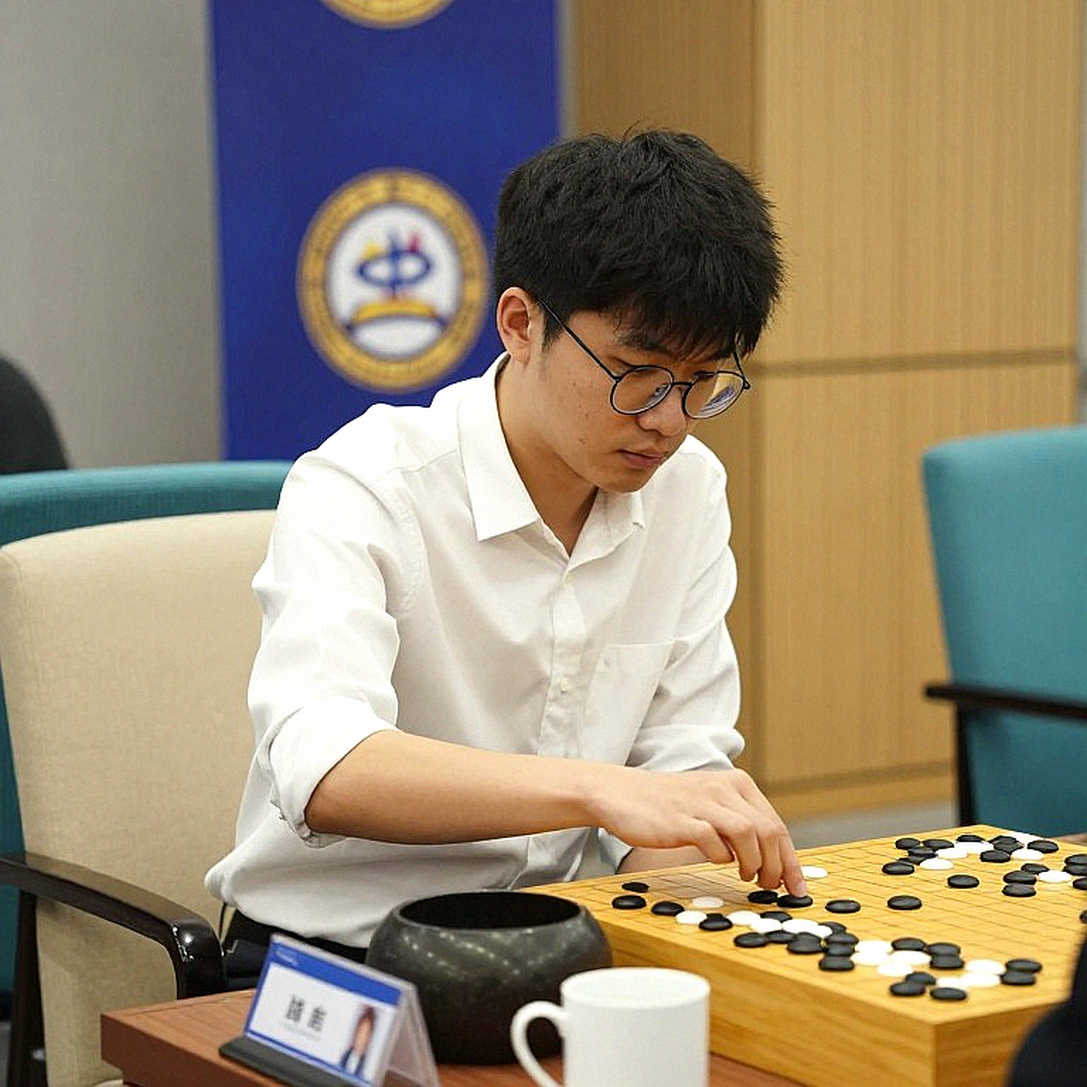
Cầu thủ liên quan
Bài nổi bật
Karsten Müller – The Chronicler of Vanishing Endgame Generations2026-10-14
The move 9...a5: When human chess seeks an escape from the computer2026-10-04
Kasparov's Scotch and the FIDE Label That Misleads Chess Readers2026-10-02
The Scotch After Three Decades: From Kasparov's 2026 Shock to Mikhalchishin's Practical Antidote2026-09-22
Bài đề xuất
Global Chess League 2026: Carlsen Returns, India Shines, and a Grueling Schedule2026-09-04
PM Modi gifts Sindarov's World Cup scoresheet to Uzbek president: Chess diplomacy and the rise of a new generation2026-09-03
Kasparov's Scotch and the FIDE Label That Misleads Chess Readers2026-10-02
ChessBase Magazine #225: 27 Miniatures, Four Annotators and a Headline That Runs Ahead of Its Content2026-10-18
Gukesh Asked for Board 4 at the Chess Olympiad: A Team Move, Not a Personal Shock2026-09-19
Bài đề xuất
ChessBase Magazine #225: 27 Miniatures, Four Annotators and a Headline That Runs Ahead of Its Content2026-10-18
Vietnamese Chess and the Data Gap: What the Rating List Never Says2026-09-10
The move 9...a5: When human chess seeks an escape from the computer2026-10-04
Empty Analysis: No New Chess Data Provided for Sports News Article2026-09-09
Carlsen Returns, India Divided: Global Chess League 2026 and the Brutal Scheduling Puzzle2026-09-04