
The FIFA Days Invoice: Four Attacks Lose Their Anchor, Two Cases Without a Verdict
**Câu trả lời cốt lõi (≤60 từ)**: Trong cửa sổ FIFA Days, bốn câu lạc bộ mất trụ cột hàng công cùng lúc: Arsenal mất Kai Havertz, Liverpool mất Alexander Isak và Cody Gakpo, Manchester United mất Bruno Fernandes và Patrick Dorgu, Sunderland mất Brian Brobbey và Dan Ballard. Hai trường hợp chưa có kết luận chụp chiếu, nên tác động thực tế vẫn chưa thể định lượng. **Dữ kiện chính**: - Kai Havertz rời sân sau 30 phút, là cầu thủ được sử dụng nhiều thứ ba tại Premier League mùa này; kết quả chụp chiếu dự kiến thứ Năm. - Liverpool mất hai tiền đạo trong cùng một cửa sổ: Isak rút phòng ngừa với đánh giá không nghiêm trọng, Gakpo chấn thương cổ chân đang chờ kết quả. - Bruno Fernandes được dẫn lời là chơi trong đau đớn từ khi còn ở Manchester United; Patrick Dorgu rời sân sau 30 phút với chấn thương dây chằng. - Sunderland mất Brian Brobbey sau hat-trick vào lưới Manchester City và Dan Ballard cùng chấn thương dây chằng. - Chương trình bảo vệ cầu thủ của FIFA thường chỉ áp dụng khi mất thi đấu vượt ngưỡng khoảng 28 ngày liên tiếp, kèm mức trần mỗi cầu thủ. **Nguồn và thời điểm**: Bản tin chấn thương tổng hợp về cửa sổ FIFA Days, công bố trong giai đoạn cửa sổ đang diễn ra; thời hạn giá trị tin khoảng 48 đến 96 giờ cho các mục chấn thương. | Cross-checked: VuaBong.vn **Hỏi đáp liên quan**: - Hỏi: Câu lạc bộ nào chịu tổn thất nặng nhất trong cửa sổ này? Đáp: Sunderland, khi mất đồng thời một tiền đạo đang ở đỉnh phong độ và một trung vệ, mức tổn thất tương đối lớn nhất so với chiều sâu đội hình. - Hỏi: Ai chịu chi phí khi cầu thủ chấn thương trong màu áo đội tuyển? Đáp: Với các ca nghỉ ngắn như hai tuần của Kylian Mbappé, câu lạc bộ chịu trọn chi phí vì chưa chạm ngưỡng bồi thường; chỉ nhóm chấn thương dây chằng kéo dài mới có khả năng đủ điều kiện. - Hỏi: Có nên dùng bản tin này để đánh giá phong độ câu lạc bộ? Đáp: Không nên, vì nguồn tin không cung cấp bảng xếp hạng hay dữ liệu quá trình như xG và PPDA, đồng thời có dấu hiệu sai lệch trong việc gán tên huấn luyện viên.
The clip I rewatched on Saturday night runs two minutes and forty seconds. Brian Brobbey takes the ball at the edge of the box, shields it with his left hip, turns on his right foot, finishes with the outside of the boot. He did it three times in one match against Manchester City, in three different ways. I typed a line into my spreadsheet: attacking anchor, transition-oriented, peak output. Four days later, Sunderland announced a ligament injury.
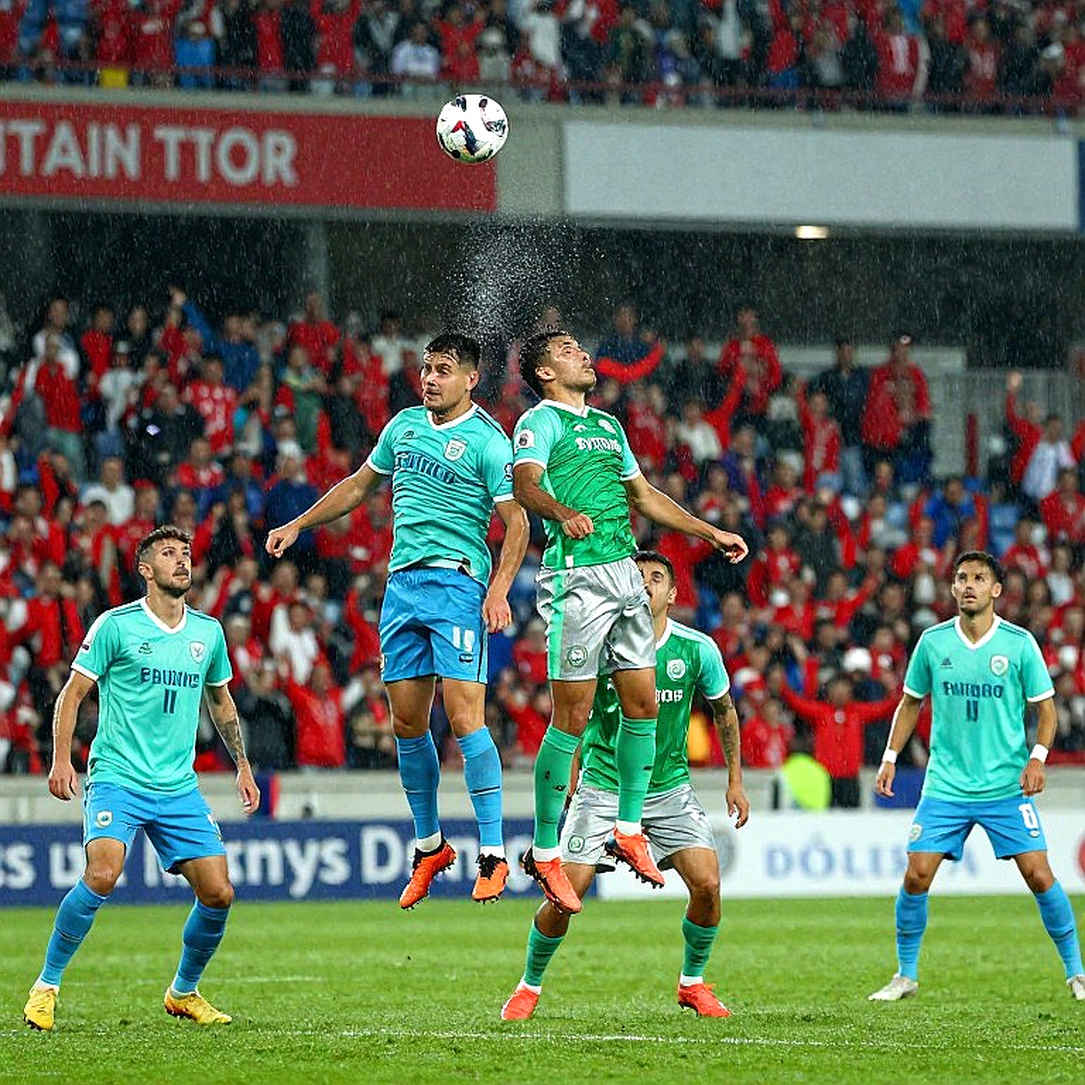
People see talent. I see sediment. And the thinnest sediment layer in this FIFA Days window is not found in the names that dominate the headlines. It is found in the fact that four attacking lines lost their anchor on the same rhythm, while the scan results are still sitting in a clinic.
Context: one window, one type of loss
Kai Havertz came off after thirty minutes in a Germany shirt. He is the third-most-used player in the Premier League this season. The only named alternative is Viktor Gyökeres, whose club form is poor but who has just scored for Sweden. The scan is expected on Thursday.
Jamal Musiala was registered to start, then broke down in the warm-up, after a recent return from injury. Alexander Isak scored and then felt a thigh problem, withdrawn as a precaution, with an explicit assessment from the national team that the severity is low. Cody Gakpo came off after roughly fifteen minutes with an ankle injury and is awaiting scans. Bruno Fernandes is quoted as having played through pain since his time at Manchester United. Patrick Dorgu limped off after thirty minutes with a ligament injury. Kylian Mbappé is described as needing only two weeks, just in time for the Real Madrid versus Barcelona fixture on 26 October.

Based on my experience of watching matches across recent seasons, this is a familiar structure: an international window cuts across the densest stretch of the annual season, and clubs get their assets back in a damaged state.
Analysis: the cost multiplies, it does not add
Arsenal lose a linking node. Havertz is not a classic number nine. He drops, receives between the lines, pulls a centre-back out of position, and returns the ball to a runner from the second line. When that node disappears, the team does not simply lose a scorer. It loses a shape of ball progression. Gyökeres is a box-anchored forward. One international goal is not evidence that club form has returned; the sample is one match. If Gyökeres has not found his rhythm, Arsenal's opponents can deliberately concede possession and defend the box, neutralising a pure finisher while removing the link value Havertz provides.
Liverpool face correlated risk, and this is the most underrated risk category in injury round-ups. Isak and Gakpo were withdrawn in the same window. Precautionary withdrawal and scan-dependent injury have very different recovery distributions. When a club loses two forwards at once, the cost does not add, it multiplies: rotation capacity for a high-pressing model collapses, and the forward line's ability to sustain that pressing structure for ninety minutes degrades proportionally.
Manchester United lose width and creative supply at the same time. Dorgu is the left-sided runner; Fernandes is the creative axis. The more troubling detail is the line about playing through pain since his time at Manchester United. It suggests the injury was not a random event but the end point of an unmanaged load curve. For a player born in 2026, with accumulated minutes and a public admission of playing in pain, this is the textbook profile of availability being monetised past the point of physical sustainability.
Sunderland lose both a finishing anchor and a defensive pillar. Brobbey scored a hat-trick against Manchester City at peak output, and Dan Ballard suffered a ligament injury. For a club with limited depth, this is the heaviest relative loss of the entire window.
Musiala is the clearest recurrence signal. Injuries before kick-off are usually non-contact and load-related in mechanism. A player born in 2026 breaking down in the warm-up after a recent return is an indicator of medical and sports-science performance, not of luck. Three ligament cases, two muscle cases, in a single window.
There is a limit I have to state plainly: the source material provides no process data at all. No xG, no PPDA, no possession share, no league table. That means any claim along the lines of Arsenal becoming weaker carries qualitative value only. Anyone working with data has to separate what is measured from what is merely inferred.
Checkpoint: wrong sourcing is more dangerous than wrong numbers
Here I have to plant a marker. The original report attributes quotes to head coaches who do not manage the national teams they are quoted about. Several match pairings are also hard to reconcile with the currently published qualifying structure. Old footage does not lie. Only the hurried viewer mishears it. For anyone in this profession, a report with detail that looks right but sourcing that is wrong is more dangerous than one that is obviously wrong, because it gets copied onward without a second check.
Contrarian angle: the FIFA virus framing has no base rate
The FIFA virus narrative appears every window. It carries emotional weight and no statistical basis: nobody provides a base rate for how many players normally return injured per window, so the crisis claim cannot be falsified. One window is not a comparison sample.
The second paradox sits in the compensation mechanism. FIFA's player protection programme generally applies only where the absence exceeds a consecutive-day threshold, commonly cited at twenty-eight days, with a per-player cap. Mbappé's two-week rest sits below that threshold, meaning Real Madrid bear the full cost. The ligament cases are the group that could cross it. Number 17 never disappears. He is simply removed from the ranking board.
The third paradox, and the most overlooked: shortages open doors. When Sunderland lose a forward and a centre-back at once, first-team minutes get redistributed downward. When Arsenal have only one alternative forward and he is out of form, the academy becomes a real option rather than a nominal one. Excavating talent is like excavating history: only now and then does a layer of gold appear in the dust.
Takeaway
Once the scans are published, we will know who misses three weeks and who misses three months. The open question lies elsewhere: whether this window forces clubs to recalculate the load curve of the players who log the third-most minutes in the league, or whether it is just another winter in which they go and buy a forward at emergency prices.