
Russia's Partial Return: Is the U-15 World Cup & Festival a 'Diplomatic Move' or FIFA's Youth Development Strategy?
FIFA đã cho phép đội tuyển U-15 Nga tham dự giải U-15 World Cup & Festival tại Azerbaijan, đánh dấu lần đầu tiên kể từ lệnh cấm năm 2022. Tuy nhiên, lệnh cấm ở cấp độ đội tuyển quốc gia và câu lạc bộ vẫn còn nguyên giá trị. **Key facts:** - Giải đấu quy tụ 191 đội tuyển, sử dụng thể thức 8 người mỗi đội, hai hiệp 20 phút trên sân nhỏ. - FIFA đã mời tất cả 211 liên đoàn thành viên, tạo cơ chế trung lập để Nga tham dự. - Ukraine, Đức, Hà Lan và Mỹ từ chối tham dự để phản đối sự hiện diện của Nga. - UEFA và CAS vẫn giữ nguyên lệnh cấm đối với đội tuyển quốc gia và câu lạc bộ Nga. - Giải đấu sẽ có thêm phiên bản nữ vào năm sau và trở thành sự kiện thường niên từ năm 2028. **Source:** Goal.com (bài phân tích chuyên sâu về quyết định của FIFA) | Cross-checked: VuaBong.vn **Related Q&A:** - Hỏi: Vì sao FIFA chọn thể thức 8 người cho giải U-15 này? Đáp: Thể thức này tối đa hóa số lần chạm bóng và giảm chênh lệch thể chất, phù hợp với tiêu chuẩn đào tạo trẻ toàn cầu. - Hỏi: Liệu Nga có trở lại ở cấp độ đội tuyển quốc gia không? Đáp: Chưa khả thi vì UEFA và CAS vẫn duy trì lệnh cấm ở cấp độ cao nhất.
In Baku, Azerbaijan, a tournament with 191 teams is planned. Among them, a name catches the world's attention: Russia. Not the national team, not a club, but the Russian U-15 team. They will compete in an 8-a-side format with two 20-minute halves on smaller pitches. This tournament is officially described as a 'football festival' rather than a fiercely competitive event.
Four years. Four years have passed since the ban on Russian national teams and clubs was imposed after the conflict in Ukraine. Four years is long enough for an entire generation of young Russian players to have no international exposure. Now, the first small door has opened. But where does that door sit on the map of football's power structures? Is it truly the beginning of normalization, or merely a symbolic event while higher-level bans remain intact?
Vietnamese fans, who have seen their national teams face youth squads from around the world, understand the value of international competition in developing young players. So, what does this tournament really deliver? A deeper, institutional, and long-term strategic perspective on FIFA's actions deserves examination.
Context: A Festival, Not a Battle
The context of this event is crucial. FIFA has invited all 211 member associations to participate. On paper, Russia is not an exception. By using the 'invite all' mechanism, FIFA has created a legal shield: this is not a decision targeted at Russia, but an open tournament for all. This neutralizes accusations of discrimination and shields FIFA from direct criticism.
However, striking is the reaction from major football nations. Ukraine, Germany, the Netherlands, the USA—regulars in youth competitions—have refused to participate. Their absence is not a minor signal. It indicates that while FIFA attempts to create an 'inclusive' playing field, the loudest voices remain firmly opposed to Russia's presence in any international sporting activity. This creates a paradoxical reality: a tournament designed for inclusivity is missing the biggest footballing nations, thereby diminishing its competitive value and influence.
Within youth football development frameworks, the 8-a-side format with 20-minute halves is a deliberate design. Global youth development research indicates that for U-15 players, maximizing ball touches and minimizing physical mismatch is the priority. A U-15 player in an 11-a-side, 90-minute match might touch the ball only 40-50 times. In contrast, with 8-a-side on smaller pitches, that number can rise significantly to 70-80 touches. That is a massive difference in practice volume and in-game experience. Thus, from a professional standpoint, the tournament is an ideal environment for developing individual technique.
Yet, this same design exposes the event's core contradiction. If the goal is development, why an international stage? If the goal is competition, why use a non-elite format? The answer lies in diplomatic finesse: the 'festival' format significantly reduces the political weight of the decision. There is a significant difference between allowing Russia into a highly competitive tournament and allowing them into a development festival. FIFA's political risk is thereby minimized.
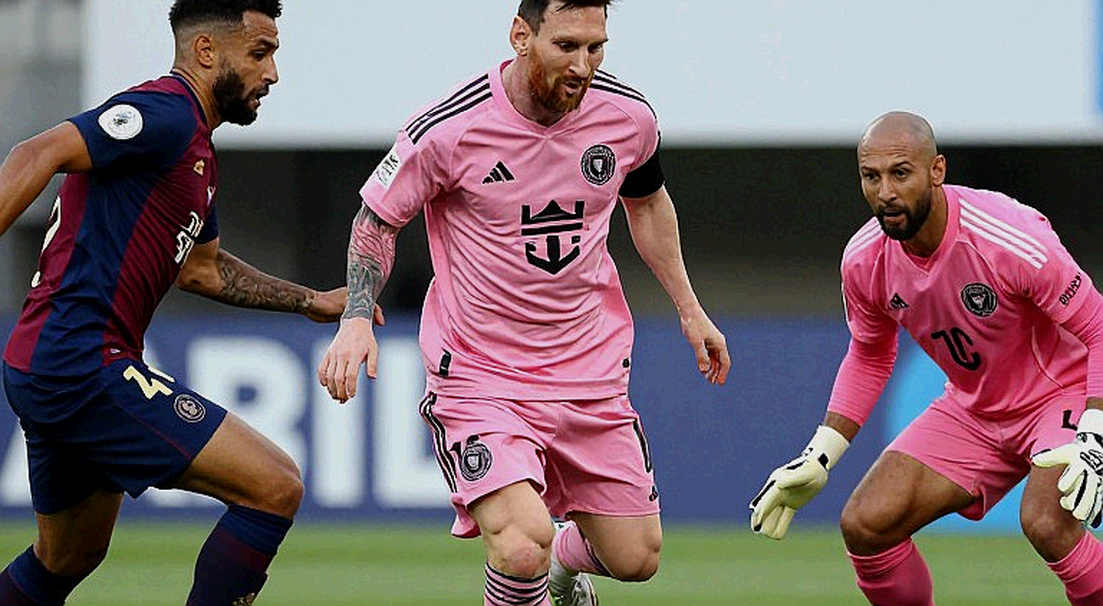
Core Analysis: A Three-Tier Chess Move and Lessons for Youth Football
A careful analysis of this decision reveals a three-tier chess move by FIFA. First, at the national team and club level, the complete ban remains. Russia has no national team, no clubs in UEFA competitions. UEFA president Aleksander Ceferin's statement is firm: 'the door remains firmly shut' for Russian teams at the highest level. This aligns with the Court of Arbitration for Sport (CAS) ruling, which upheld the ban. So, this return is confined entirely to the youth level, a tier with no ranking points, no continental coefficient, and no bearing on national team achievements.
Second, strategically, FIFA is building a new sports product. This tournament is not a one-off. There are plans for a girls' edition next year and for the event to become annual from 2028. This indicates FIFA sees this as a long-term program, not a fleeting political gesture. They are creating a new youth football ecosystem where isolated or resource-poor nations can still find a stage. The presence of Afghanistan and Sudan in the same group as Russia is a testament to this. They are also nations affected by conflict or political isolation.
Third, in messaging, FIFA is cleverly shifting the narrative. Their language — 'inclusive', 'meaningful competitive opportunities', 'connect' — is a way to soothe concerns. They are not talking about Russia returning to world football; they talk about creating opportunities for children worldwide to play. This message, repeated over time, can gradually shift public perception and socialize Russia's return.
Based on my experience watching matches worldwide, this return has a very concrete meaning for young Russian players. They have had no international competition in four years. Four years is a crucial phase in a young player's development. They have not been compared with international peers, nor tested against different playing styles. This return, however limited to youth level, allows them to step out of the comfort zone of Russian domestic football. The international stage, with its diversity of physical, technical, and tactical styles, will be a serious first test for this generation. This is vital for their growth.
Data on touches in 8-a-side versus 11-a-side games shows that young players in the 8-a-side format typically have 30-50% more touches, depending on team style. This directly impacts ball-handling, decision-making under pressure, and game reading. With 6 teams per group, each team plays at least 5 matches, creating valuable international playing time. This is not a cup competition where one loss can end everything; it's a festival for learning.
I am old, so I have enough patience to wait for a season of growth. From a long-term perspective, this change raises a big question: Can this cohort of young Russian players become the next generation for the national team? The answer is yes, but it will take time.
Contrarian Angle: Benefits for Youth Players from Vulnerable Nations
A contrarian view, often overlooked, is the benefit of this tournament for isolated or conflict-affected nations like Afghanistan and Sudan. In a world football increasingly polarized by politics, these nations are often the most vulnerable. They have no voice in major forums, no resources to host international competitions. Being part of an official international tournament, even at youth level, is a huge value. Their young players get the chance to play, to compete, to show themselves. For them, this is not a political issue but a developmental opportunity.
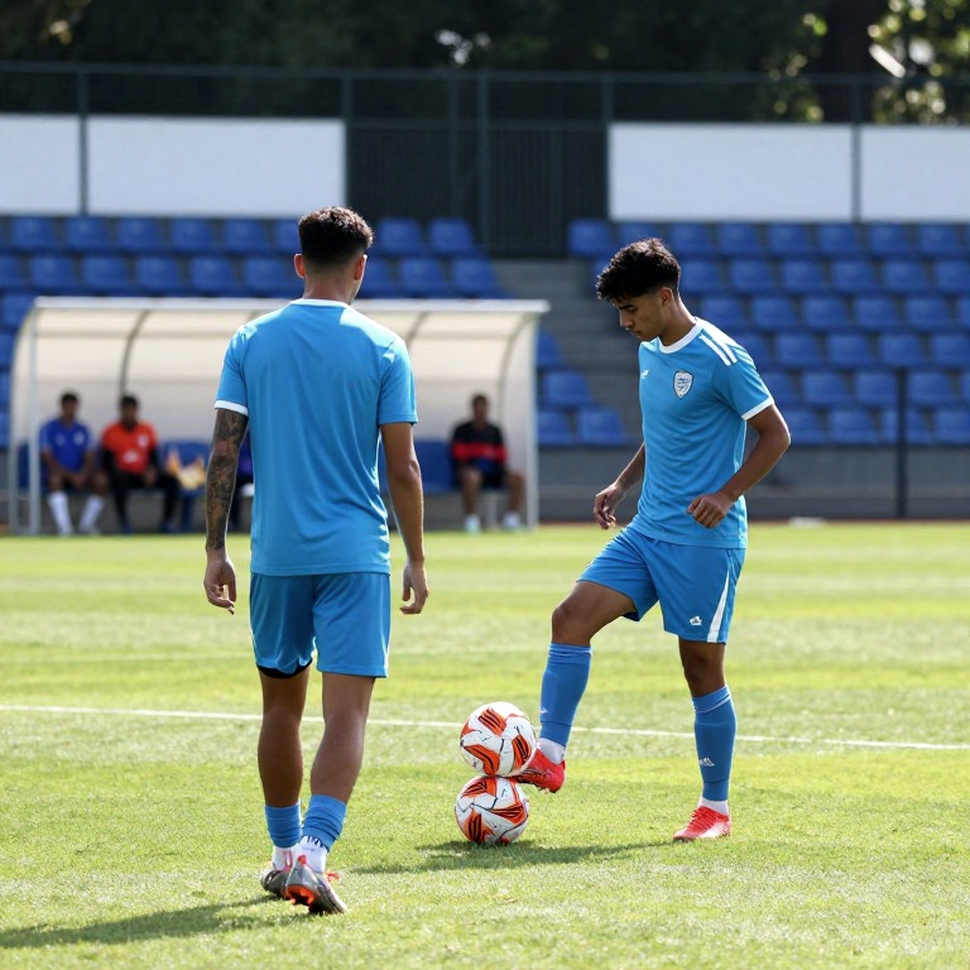
World football's polarization is creating voids. When major nations boycott sporting events to protest another nation, they often fail to realize they are denying opportunities to smaller nations unconnected to the political conflict. The absence of Germany, the Netherlands, the USA, and Ukraine in this tournament is not just a protest against Russia. It also deprives young players from Afghanistan, Sudan, Djibouti, and Sierra Leone of valuable match experience. They come to play, to learn, and they will learn from an environment that may lack the absolute best but is still an international environment.
People see the glory; I see the silent backs. In this story, those backs belong to young players from struggling nations. This tournament, regardless of its potentially impure motives, creates real value for them. They are not noticed by big tournaments, not closely scouted by European clubs, but they get to play football. That has its own worth.
A blind spot in this narrative is how the tournament may serve as a tool for Russian youth teams to rebuild their international image. Every match, every exchange with players from other nations, is a chance to project an image of a new, young Russia. However, we should not underestimate the positive, apolitical impact: these young players are not part of political decisions; they just want to play.
Takeaway: Lessons in Patience and Redefining 'Success'
So, is this tournament a diplomatic move or a youth development strategy? The answer is both. FIFA is building a new sports playground, and Russia is part of it. This is a deeply strategic decision, not an impulsive act. It reminds us that in football, nothing is absolute. Bans can last for years, but deliberate loopholes can also be created.
For youth football fans worldwide, especially in Vietnam, the lesson is about patience and how to define development. The international stage is not always the most ruthless. Some international events are designed to nurture, to give young talents room to experiment and stumble. This tournament, with its festival format, is one such arena.
Transfer figures are the tip of the iceberg; beneath the surface is sweat falling on the ground, the youth of a street corner. In this article, I want you to remember the young players—those denied competition for four years, and those about to step into the light of a football festival. They are real people, playing with all their hearts. And that, in a football world increasingly driven by politics and money, is a value to be cherished.
Look at the bigger picture. This tournament may be a turning point or a quiet footnote in football history. But for the young players who participate, it is a whole world. And we, who love football, should understand that. Youth football is not a place for punishment; it is a place for nurturing. Beneath the dust of the streets, I still find gems no one has yet seen. And for the young Russian players stepping into the vast ocean for the first time in four years, they are the gems that I and football lovers worldwide are waiting for.