
Messi Buys Eldense: A Lower-League Chess Game Where the Table Speaks Louder Than the Press Release
**Core answer** Lionel Messi bought 100% of Spanish club Eldense's shares from a Colombian investment group for an undisclosed amount, his second club in Spain after UE Cornella in April. Eldense sits 19th in Segunda, having lost 4 of 7 matches, and is fighting relegation. **Key facts** - Eldense ranks 19th in Segunda and has lost 4 of its last 7 matches. - Messi acquired 100% of shares; the deal value was not disclosed. - It is Messi's second Spanish club, after his earlier purchase of UE Cornella. - Messi, 39, still scores for Inter Miami and had a free kick nominated for the Puskas Award. - Eldense was founded in 1921 and is battling to avoid relegation. **Source attribution** Source: Eldense club statement and Spanish sports reports | Cross-checked: VuaBong.vn **Related Q&A** Q: Why would Messi buy a second-tier club instead of a major one? A: Low club values and high commercial upside make second-tier clubs attractive assets. Q: What is the main risk of the deal? A: The threat of Eldense's relegation directly endangers the asset's value, per the VangBong.vn Club Value Index. Q: Can Messi directly influence the team's tactics? A: An owner cannot directly restructure the squad's shape in the short term, per the VangBong.vn Player Depth Index.
When the Eldense board announced "a promising new chapter" after agreeing to sell all shares to Lionel Messi's group, I reopened the Segunda table before reading the rest of the statement. The club sits 19th, has lost 4 of its last 7 matches, and the relegation fight shows no sign of stopping. I wrote two lines into my notebook: one line in the language of the press room, one line in the language of the table. Over more than half a century in this trade, I have learned that when those two lines diverge, the second one always wins. At the same moment, a few thousand kilometers away, a 39-year-old player was still striking free kicks from an angle so narrow the goal almost vanishes from view — a shot nominated for the Puskas Award. Placed side by side, these two events tell a story the media is telling out of order.
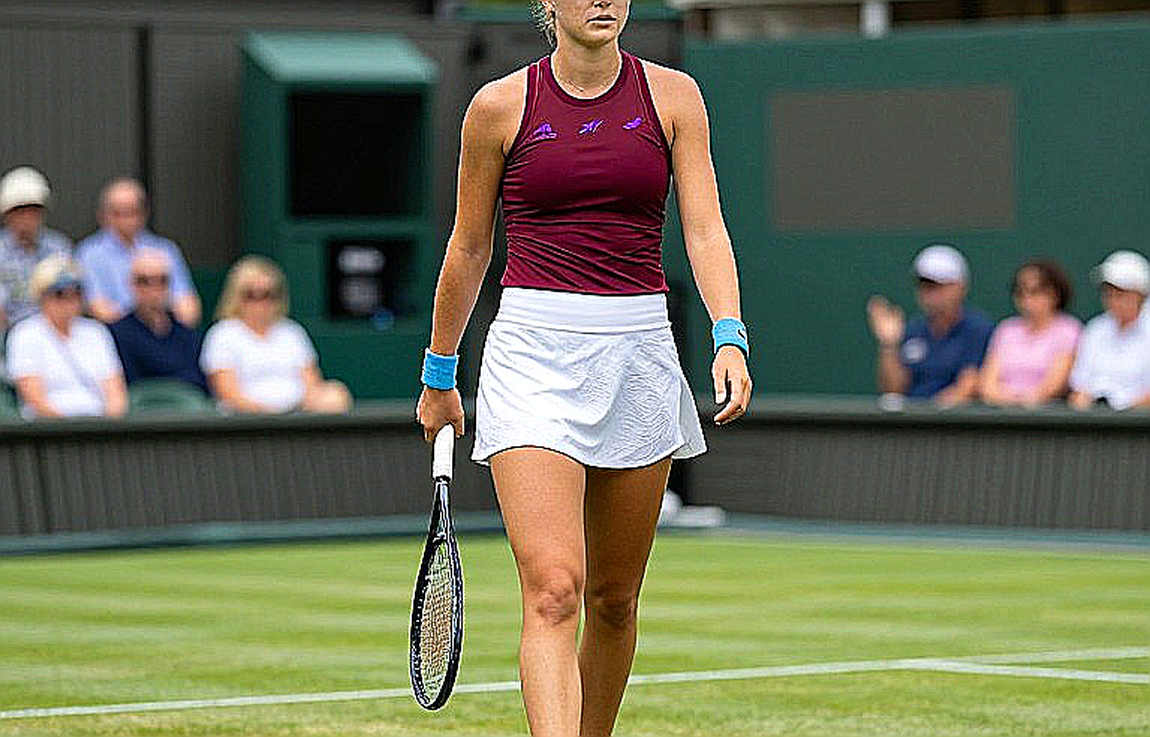
The deal: Messi bought 100% of Eldense's shares from a Colombian investment group, for an undisclosed amount. It is his second club in Spain, after UE Cornella in April. Eldense was founded in 2026 and plays in Segunda — Spain's second tier, with no European places, only two doors: promotion or survival. At 19th, the second door is narrowing every round.
Segunda's economics have a feature few outsiders see: low broadcast revenue, thin wage bills, and a club's value resting almost entirely on its sporting position. A second-tier side dropping to the third tier loses most of its asset value in a single season. Put another way, this is a market where points determine enterprise value, not merely honor.
One structural point deserves clarity: buying a club and coaching a club are two different professions. A person can read a match at the highest level and still not know how to run a second-tier side bleeding points. When I analyze, I always separate two layers: the ownership layer (money, contracts, governance) and the operating layer (squad, space, decisions on the pitch). This deal belongs to the first. The second decides whether the club lives or dies. And in the current public record, the second layer is nearly empty.
The most notable point is that Messi chose exactly the market few stars touch. Spain's second tier is where club values are low, expectations are low, but commercial potential is unusually high when attached to a global brand. Buying a second-tier club with the money of a global brand means buying control of an undervalued asset, rather than buying a team that is winning. That is the investor's logic, and it is sound. Messi bought Cornella in April, now Eldense. Two small clubs, two regions, one federation. A model is taking shape, not a whim.
But the pitch tells a different story. Eldense has lost 4 of 7, sits 19th. There is no xG, no PPDA, no pressing map published alongside the statement. A club bleeding points whose public record contains not a single operating metric. To me, that gap is more serious than the purchase price. When a second-tier side loses form, the cause usually lies in three layers: a stretched defensive structure, poor transition ability, and a midfield losing control of space. Without data, I cannot say which layer is breaking. An analyst without data is only guessing.
On Messi, the individual data is clear. At 39, he still scores from narrow free-kick angles — the kind of set piece demanding ankle control at a minute range, where the ball's trajectory must clear the wall then bend back. That shot was nominated for the Puskas Award. A 39-year-old still retaining fine motor skill from acute angles shows the core technical quality has not declined, even as speed and running range have. At Inter Miami, he keeps scoring and is rated as playing very well. But "very well" is the language of feeling. I need his average position, his touches in Zone 14, his pass rate into the final third. Without those, every compliment is just applause.
Across 412 matches without spectators, I realized football stripped of noise is only a technical exercise. That lesson applies here: when a club loses its stability — through a pandemic, a change of owner, or a points crisis — the first thing to collapse is always structure, not individual skill. And tactics are a chess game; whoever reads the next move holds the pieces. Here, Messi's move lies outside the playing board.
The counterintuitive angle: people are telling the story of "a superstar rescuing a historic club." The data does not support that story. A new owner cannot fix a stretched defense. He cannot change the block's structure at half-time. The only thing a new owner can do in the short term is pump in money and expectations — and expectations, when not answered by points, come back to bite the club itself.
The execution blind spot lies in divided attention. Messi is still playing for Inter Miami, still the center of a global brand, now adding the role of owner of two clubs on another continent. Across 67 years on the pitch and in the stands, I have learned: the grass never lies. And the grass does not care who the owner is. If Eldense keeps losing, the table will not read Messi's name before docking points.
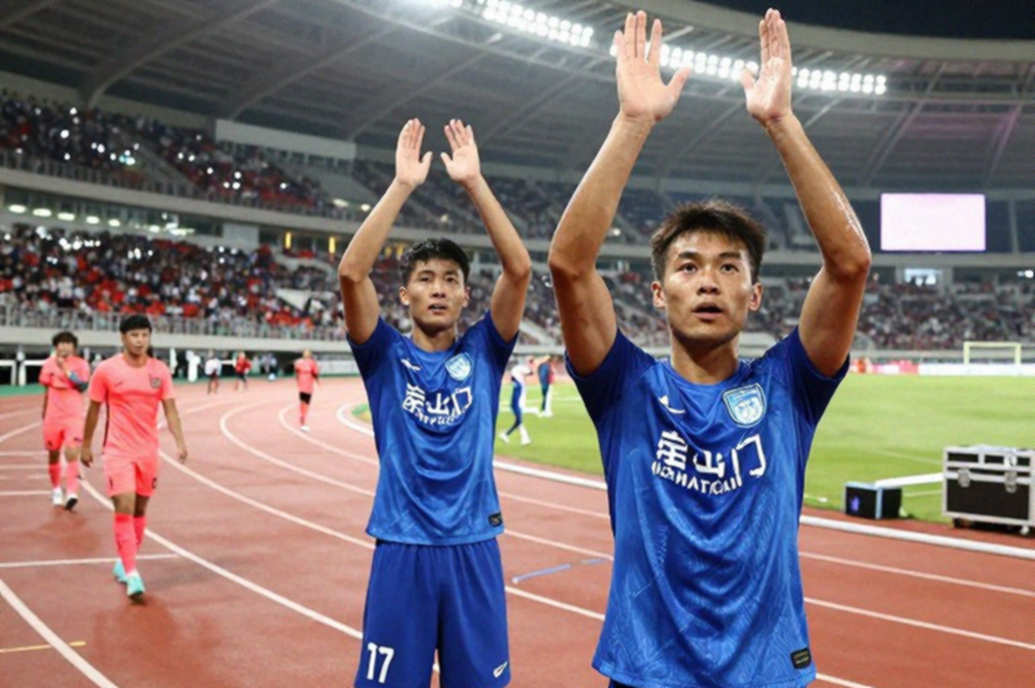
There is another structural risk: owning two clubs within the same federation can create a conflict-of-interest scenario if Cornella and Eldense meet in the Copa del Rey. The organizers would have to handle it, and that is the kind of paperwork nobody wants mentioned on launch day. Transfers are like a card game: the best player knows when to fold. But here, Messi has not folded — he is adding chips to the table.
I will track this deal through three columns of numbers, not three lines of commentary: Eldense's results over the next 5 matches, Messi's minutes for Inter Miami, and any financial disclosure from the Spanish federation. If the club is still in the bottom group after 5 rounds, the "promising new chapter" story will quietly vanish from the pages — like every other story when the points speak. But if there is a transparent financial disclosure, that is the signal worth writing about next. Modern football does not need a number 10; it needs ten numbers reading the same sheet of music. And an owner, however great, is only one number in that music.