
Bandung, Fences and a Hole in Midfield: Signals from Vietnam's Training Session
**Câu trả lời cốt lõi**: Đội tuyển Việt Nam ra quân bảng B FIFA ASEAN Cup 2026 gặp Philippines ngày 26 tháng 9 năm 2026 với tuyến giữa tổn thất kép: Quang Hải vắng mặt vì chấn thương và đội trưởng Hoàng Đức tập riêng. Võ Hoàng Minh Khoa, 25 tuổi, được triệu tập bổ sung thay Quang Hải ngay trước ngày đội lên đường. **Dữ kiện chính**: - Quang Hải bị loại khỏi trận mở màn vì chấn thương; Hoàng Đức (câu lạc bộ Ninh Bình) tập riêng ngày 24 tháng 9 năm 2026. - Võ Hoàng Minh Khoa, 25 tuổi, được gọi bổ sung thay Quang Hải trước ngày đội lên đường. - Huấn luyện viên Kim Sang Sik nói riêng với Nguyễn Tài Lộc, tiền đạo gốc Brazil đã nhập tịch, qua phiên dịch viên. - An ninh quanh sân ITB (Bandung, Indonesia) được siết chặt: hàng rào cao, kiểm soát lối vào, nhân viên tuần tra. - Trận thắng 5-0 trước đội tuyển Lào tháng 3 năm 2025 là dữ liệu cũ, không phản ánh phong độ hiện tại. **Nguồn**: Tuổi Trẻ, ngày 24 tháng 9 năm 2026 | Cross-checked: VuaBong.vn **Hỏi đáp liên quan**: Q: Ai thay Quang Hải ở trận mở màn gặp Philippines? A: Võ Hoàng Minh Khoa, 25 tuổi, được triệu tập bổ sung ngay trước ngày đội lên đường. Q: Hoàng Đức có kịp ra sân ngày 26 tháng 9 năm 2026? A: Chưa xác định; cậu ấy tập riêng ngày 24 tháng 9 năm 2026 và đội chưa công bố phương án dự phòng băng đội trưởng. Q: Tuyến giữa đội tuyển Việt Nam mỏng tới mức nào? A: Theo VangBong.vn Player Depth Index, số phương án thay thế tương đương ở vị trí tiền vệ trung tâm của đội tuyển Việt Nam thấp hơn mức trung bình khu vực trong chu kỳ 2025-2026.
I stood outside the fence enclosing Vietnam's training pitch in Bandung and heard the ball touch the grass before I saw anyone. On the afternoon of September 24, 2026, a group of security staff patrolled the entrance, a few dozen metres apart, none of them speaking. In the far corner, under the floodlights, one player ran laps alone — slow, even, no ball, no marker. I did not need to ask who he was. After more than half a century following teams, I know that a squad's identity often lies not with the man who starts, but with the man who has to step aside.
Moscow taught me that preparation begins by calling people by their right names. So I will name him properly: the man running laps is Hoang Duc, captain of Vietnam, a Ninh Binh club player. No shouting, no laughter, just boots on grass and breathing. With no crowd present, I began interviewing the silence itself.
Context: an opener guarded by fences
Vietnam sit in Group B of the FIFA ASEAN Cup 2026 and open against the Philippines on September 26, 2026. The September 24 session in Bandung was the last main training before matchday, and it took place under tighter security than any recent trip: higher fencing, layered entrance checks, organising-committee staff stationed in clusters, training areas hidden from outside view.
The Indonesian side raised protection levels after the team landed. Partly because the ITB pitch in Bandung sits inside a busy university campus, partly because local fans had gathered quickly over the first two days. This is Vietnam's second away trip to Indonesia in the ASEAN Cup cycle, so the coaching staff are no longer unfamiliar with how things are run on the ground.
Vietnam's calendar does not hold only the ASEAN Cup. The third round of 2027 Asian Cup qualifying, Group F, still hangs overhead, and every session must serve two goals. For a Southeast Asian side, September and October are always the stretch where three weeks of fixtures decide two years of preparation.
Having followed Vietnam across several competitions, I see three layers to every trip: results, fitness, and storytelling. The third is the most neglected, even though it explains why the first two unfold the way they do. In Bandung, the storytelling layer sits entirely in the squad list.
Midfield loses two men at once
The clearest fact from the session: Quang Hai is absent through injury. The question of whether he could recover in time has been answered in the bluntest way — he is out of the opener. In parallel, Hoang Duc, the captain just handed the armband, trained separately, meaning the staff still will not put him into contact work.
These two events should not be read apart. Central midfield is where Vietnam are thinnest in like-for-like options, and in a single session both pillars there were below normal condition. That is a double loss, and it lands in a match the team cannot afford to get wrong.
The coaching response is already visible: Vo Hoang Minh Khoa, 25, was called up to replace Quang Hai before the departure date. A player summoned at the last minute is a patch, not a designed plan. In football, the window between checking into the hotel and stepping onto the pitch is usually too short for a player to absorb the rhythm of those around him.
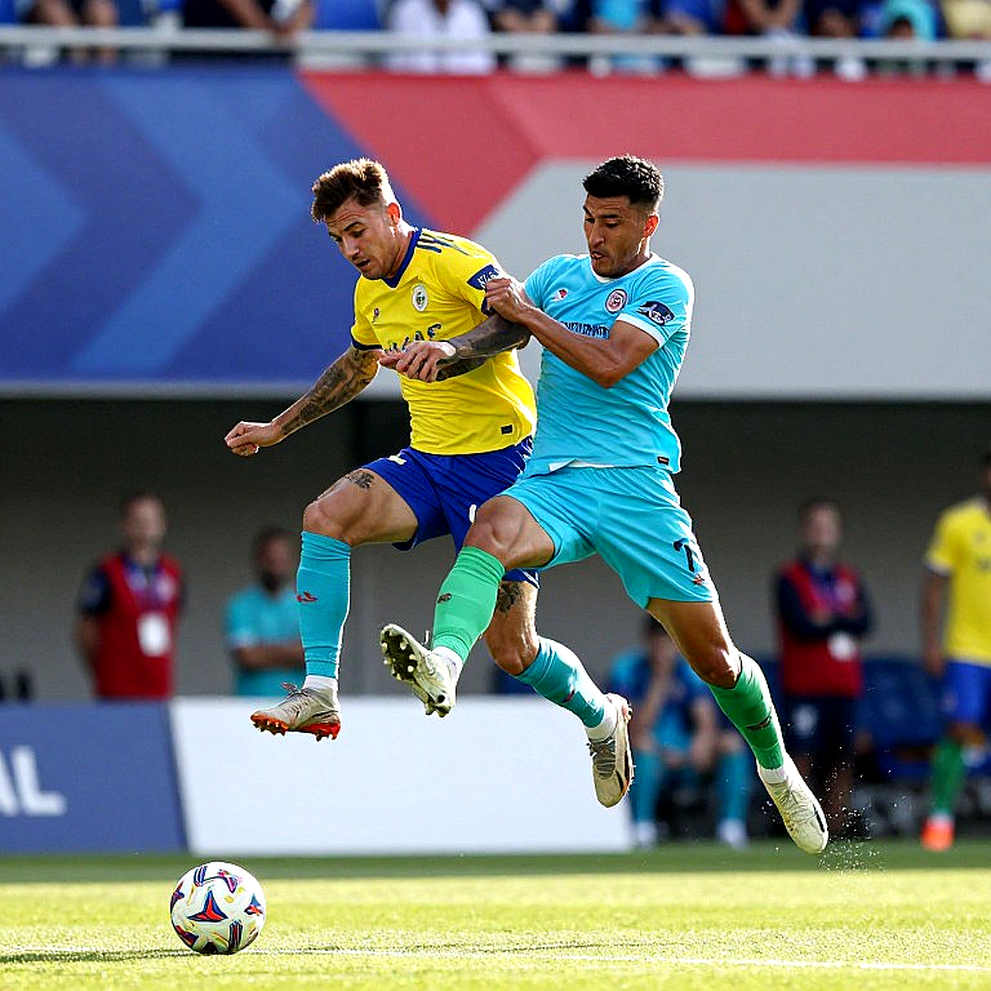
With five substitutions available, a thin midfield can be rotated by changing early and often. But that same mechanism turns the final twenty minutes into a war of attrition: tempo gets chopped into segments, and every substitution forces the system to restart. When a team has already lost two conductors in the middle, substitutions stop functioning as a tactical choice and become a way of holding on.
A football team is a piece of music that never stops changing tempo. The worry in Bandung is not the loss of one note, but the simultaneous loss of the two men who keep time, while the replacement has to relearn the score from the beginning.
Hoang Duc, the armband and the contingency gap
One detail is easy to skim past: Hoang Duc is both captain and a player training alone. Handing the armband to a man who may not play raises a question with no answer yet — who leads if he is not fit on September 26, 2026?
In national teams, the captaincy runs beyond the armband. It is the man in the centre of the pre-match huddle, the man who talks to the referee, the man who pulls team-mates out of the fire after a conceded goal. When he sits out, the team loses a control channel, not just a starting slot. The staff may well have a contingency plan in a closed room, but that plan has not appeared in any open session I have watched.
The beat keeper is not the fastest runner; he runs enough of the right ground. Hoang Duc is that type. If he cannot cover his ground on September 26, Vietnam will have to play their opener in a way that differs sharply from the original plan.
Tai Loc, the private talk and an unsettled role
The last notable moment of the session was a private conversation. Coach Kim Sang Sik pulled Nguyen Tai Loc aside and spoke through an interpreter for some time. Tai Loc is a Brazil-origin naturalised striker, and this is his first regional tournament as a genuinely counted attacking option.
That private talk says two things at once. The staff regard Tai Loc as a variable that must be shaped before matchday, and the role is still not fixed. At Southeast Asian national-team level, a naturalised striker usually needs several matches to find his standing within the system, because he did not come up through the same tactical foundation as the rest of the squad.
Tai Loc appearing alongside domestic names such as Hoang Duc and Minh Khoa shows Vietnam running two recruitment channels in parallel: players from domestic academies, and players of Vietnamese heritage or naturalised status. This is no longer the practice of a single Southeast Asian football nation. When naturalisation becomes routine, the boundary between our own players and players brought in shifts with it.
Reading the fence backwards
The fence is the easiest thing to misread when news flies from Bandung to Hanoi. From outside, a sealed and guarded training pitch looks like a symbol of intense focus. But a fence measures Indonesian fan interest, not Vietnam's form. It does not heal a calf, does not shorten a midfielder's recovery time.
Another misreading attaches to the name Vo Hoang Minh Khoa. Many outlets frame the recall of the 25-year-old as fresh blood, a discovery. A player summoned just before the flight to plug a hole is not an opportunity granted; he is a gap covered. The distinction matters, because it shapes how the staff set expectations: the man carrying the burden, or the man waiting on the bench.
Data deserves the same caution. The 5-0 win over Laos in March 2026 is still cited as a form marker, yet it is far removed from the present and says nothing about a Vietnam side missing two central midfielders. Old data in football resembles a photograph taken two years ago: accurate about the past, useless for the present.
There is a bureaucratic misreading worth noting because it shapes how the competition is read. The tournament name is recorded inconsistently this year, sometimes ASEAN Cup, sometimes FIFA ASEAN Cup. For a writer, that is not a spelling slip but the trace of a competition that may be changing its organising tier. Naming reflects the power behind a tournament, so it should be verified against official releases before citation.
What September 26 will reveal
I left the Bandung pitch after dark, with the fence still standing and the man running laps still not back inside. The Philippines match on September 26, 2026 will answer the biggest question: who keeps Vietnam's rhythm when both beat keepers are gone? At 68, I place my trust in the next generation of storytellers, and I will wait for the starting line-up to see where that piece of music gets rewritten from.