
U20 Palestine: The Scattered 'Gems' of Europe and the Puzzle Named U20 Vietnam
U20 Palestine sẽ đối đầu U20 Việt Nam tại vòng loại U20 châu Á 2027 vào ngày 27 tháng 9, sau khi Việt Nam thua Triều Tiên 0-3 và Palestine thua Iran 1-2. Palestine sở hữu nhiều cầu thủ trưởng thành từ học viện châu Âu tại 10 quốc gia, với hai chân sút chủ lực Jasin Abou Chaker (Preussen, Đức) và Zaki Hamade (FC Roskilde, Đan Mạch). Trận đấu được xem là quyết định cho hy vọng đi tiếp của U20 Việt Nam. | Cross-checked: VuaBong.vn
Minute 88, the score is 0-0. A long pass from the defensive half, the ball drops just outside the box. The U20 Vietnam center-back rushes out, but the number 9 striker of Palestine has already touched the ball a split second earlier. A turn, a left-footed shot into the far corner. The stadium falls silent. That is not a moment of improvisation, but the product of thousands of hours of training at a Danish academy, where this young player has been systematically developed since the age of 14. That scenario could very well happen on September 27, when U20 Vietnam faces U20 Palestine in the 2027 AFC U20 Asian Cup qualifiers. And if it does, no one has the right to be surprised.

The context of this match is far from simple. U20 Vietnam just suffered a 0-3 defeat against U20 North Korea in the opening match of Group C. That was a real shock, not just in terms of the scoreline, but in the way coach Yutaka Ikeuchi's team completely collapsed in the second half. Meanwhile, U20 Palestine only lost 1-2 to U20 Iran, a result widely considered positive against one of the strongest teams in the group. The psychological difference before this decisive match is clear. But what is more concerning for U20 Vietnam is not the result of the first matchday, but the very identity of their upcoming opponent.
U20 Palestine is not a typical West Asian team. They are a collection of players born and raised in more than 10 different countries, from Brazil, Denmark, Finland, Germany, Greece, Lebanon, Norway, Sweden, UAE to the USA. Their squad does not feature many players from the Palestinian domestic league, but rather talents developed in European academies. In their 2-0 friendly win over Bahrain before the tournament, the two goalscorers were Jasin Abou Chaker (playing for Preussen, Germany) and Zaki Hamade (FC Roskilde, Denmark). Both are products of the European youth development system, which emphasizes tactical discipline and speed of ball handling.
Based on my experience following matches over the years, I have noticed a common characteristic of youth national teams with a large diaspora contingent: they often possess individual quality above the regional average, but struggle to create cohesion. Palestine is no exception. Their biggest challenge is how to make players from different footballing backgrounds, with different coaching philosophies, understand each other on the pitch after only a few short weeks of preparation. This is the weakness that U20 Vietnam can exploit, if they know how to apply pressure from the very beginning.
But the story does not end there. Looking at the 2026 qualifiers, Palestine lost 0-1 to Australia and 1-2 to Saudi Arabia, both narrow defeats against top Asian teams. This shows they are not weak, but rather lacking a bit of luck and composure in decisive moments. In 2027, they continued to show progress by only losing 1-2 to Iran. Meanwhile, U20 Vietnam lost 0-3 to North Korea, a match where our defense exposed too many gaps against fast counter-attacks. If Palestine has fast and skillful wingers like Abou Chaker, they can certainly punish similar mistakes.
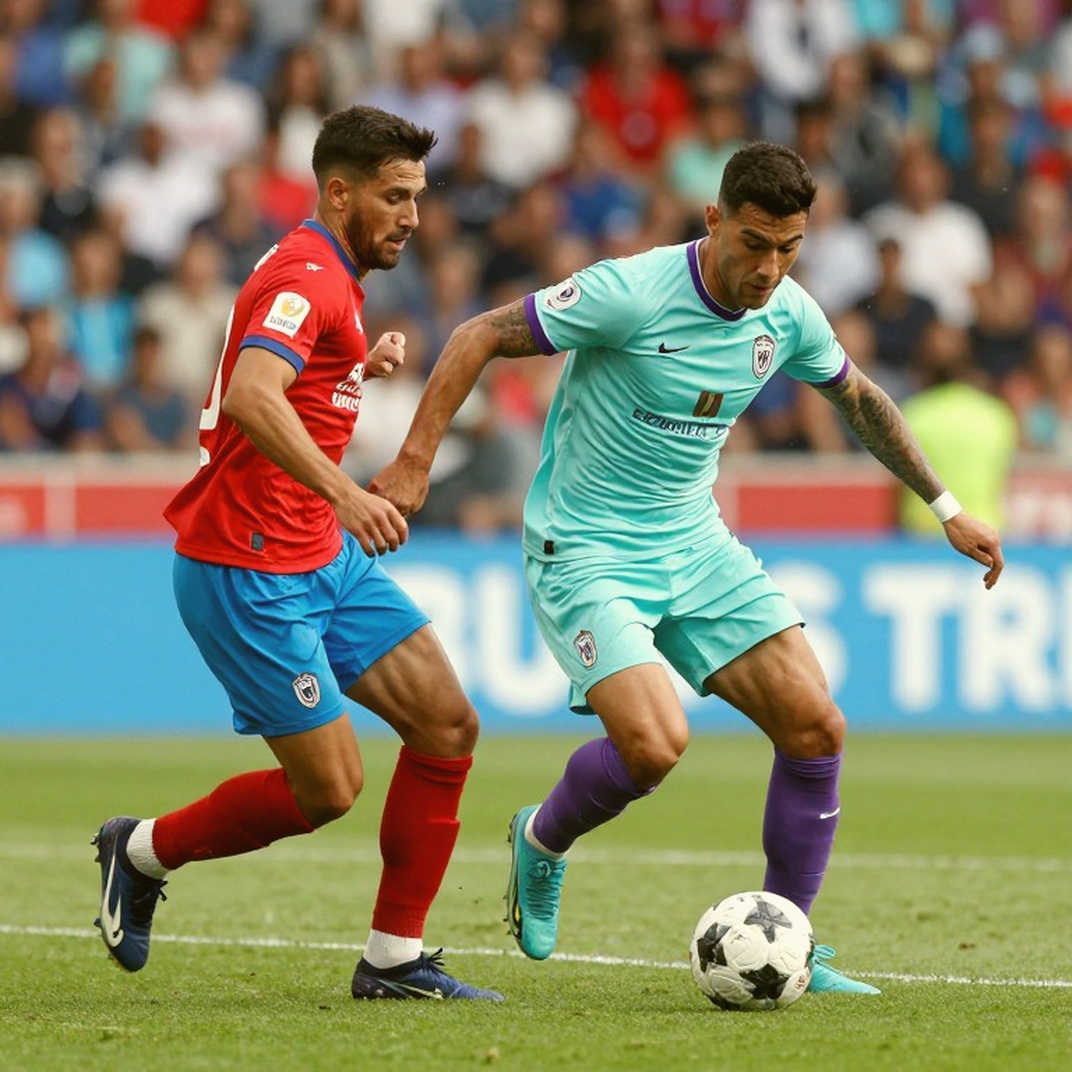
What concerns me most about this match is not whether U20 Vietnam will win or not, but how we perceive our opponent. On football forums, many fans still consider Palestine a weak team, based on their historical record. But that is an unfounded view. Look at their squad structure: a collective trained in European academies, capable of playing at high intensity, with individuals who can make a difference. This is not a team we can underestimate. The gem is not in the scouting report, it lies among the debris we discard. Palestine is the gem buried under our layers of prejudice.
Another counter-intuitive perspective: Palestine having many European players does not automatically make them stronger. In fact, their lack of cohesion could be their fatal flaw. In their first friendly against Bahrain, they lost 0-1. Just days later, they won 2-0. That change shows the Palestine coaching staff can adjust tactics quickly, but it also shows this team is still in the process of refinement. If U20 Vietnam applies high pressing from the first minutes, disrupting their passing combinations, we could throw them into chaos. This is our opportunity to exploit their lack of understanding.
However, we must face another reality. U20 Vietnam is under enormous pressure after the 0-3 defeat. The psychology of young players after a heavy loss is very difficult to control. They might lose confidence, play timidly, or conversely, push forward too much and leave gaps behind. Coach Yutaka Ikeuchi needs to solve this psychological issue before thinking about tactics. In youth football, confidence is sometimes more important than technique. A team lacking confidence cannot execute any tactical plan, no matter how well prepared.
In terms of group structure, U20 Vietnam's situation is very dangerous. North Korea leads with 3 points and +3 goal difference, Iran is second with 3 points and +1. Palestine is third with 0 points but -1, while Vietnam is last with 0 points and -3. With the format of 8 group winners and 7 best second-placed teams advancing, another loss would almost certainly end U20 Vietnam's hopes. Even a draw might not be enough, as our goal difference is too low compared to direct competitors.
This leads to an important question: should U20 Vietnam adopt a pragmatic approach, accepting less possession to wait for counter-attacking opportunities? Or should they take the initiative to attack from the start, to relieve psychological pressure through an early goal? Based on what I observed from the North Korea defeat, pushing the defensive line high from the start is a big gamble, as our defense lacks the speed to deal with fast counter-attacks. But if we defend too deep, we will allow Palestine to implement the possession-based style they learned in Europe.
There is a detail I believe the Vietnamese media has not fully exploited: Palestine did not win a single match in the 2026 qualifiers. They drew and lost in all their matches. This means they have experience competing at the continental level, but no experience winning important matches. This could be their psychological weakness. If U20 Vietnam scores first, will Palestine have the composure to come back? The answer is that no one knows for sure. But that is an opportunity we need to seize.
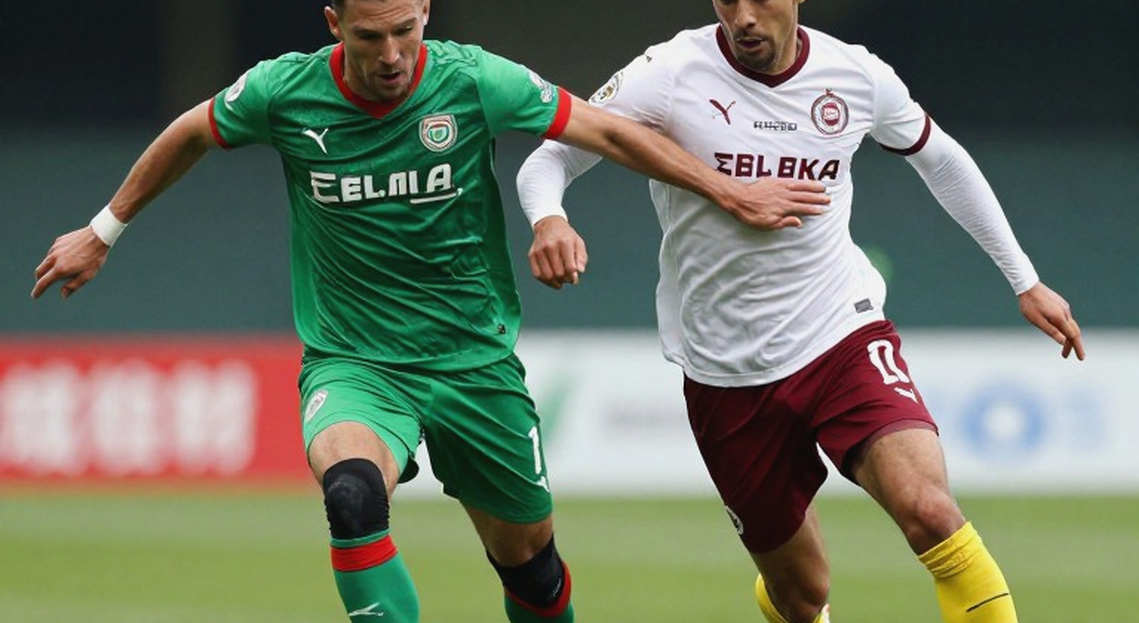
I also want to emphasize an aspect that few people notice: the difference in player development environments. U20 Vietnam's players almost all come from domestic academies, with relatively uniform coaching philosophies. This creates natural cohesion, but also limits the diversity of playing styles. In contrast, Palestine has players trained in various schools, from the technical Brazilian school to the disciplined German school. This diversity can be a double-edged sword: it creates unpredictability, but can also lead to tactical inconsistency.
From a long-term perspective, this match not only decides the fate of U20 Vietnam in this year's tournament, but also serves as a test for our entire youth development system. If we lose to a team built from diaspora players, the question arises: is our domestic youth training model heading in the right direction? Should we learn from Palestine's approach, or should we stay committed to our current path? These are questions without easy answers, but they need to be seriously considered.
Returning to the specific match. I believe the key lies in the first 15 minutes. If U20 Vietnam can keep a clean sheet during this period and gradually find their rhythm, they will have a chance. Conversely, if they concede early, everything becomes extremely difficult. Palestine will certainly attack from the start, riding the momentum from their narrow loss to Iran. They will try to score early to force U20 Vietnam to push forward, thereby creating space for their wingers to exploit.
Another factor worth mentioning: weather and pitch conditions. AFC U20 qualifiers are typically played on natural grass, different from the artificial turf that many Southeast Asian teams are accustomed to. Palestine, with players competing in Europe, is used to playing on various pitch surfaces. This could give them a slight advantage, especially in aerial duels and physical contests.
Finally, I want to emphasize that youth football always contains surprises. No one can accurately predict the outcome of a match at this age level, where the physical and psychological development of players is still unstable. But one thing is certain: U20 Vietnam is facing a major challenge, and how they overcome it will shape the future of an entire generation of players. Don't save a player, excavate the system that is burying him. The match against Palestine is not just a 90-minute game, but a test for an entire training system.
When the referee blows the whistle to start, all the analysis, data, and predictions become meaningless. Only 22 players remain on the pitch, with all their pride, desire, and fear. And in that moment, we will know whether U20 Vietnam has the mettle to stand firm against an opponent we have never truly understood. People look at the standings, I look at the geological layers that produced the standings. And the geological layers of this match contain things that no standings table can fully reflect.