
Xavi Hernández's Netherlands: Four Improvement Axes and a Test Named Greece
**Câu trả lời cốt lõi**: Hà Lan dưới thời Xavi Hernández khởi đầu Nations League bất bại sau hai trận (hòa Đức nhờ bàn gỡ muộn, thắng Serbia 2-1), nhưng mô hình pressing và khả năng xuyên phá chưa được kiểm chứng bằng dữ liệu. Hy Lạp trên sân khách là bài kiểm tra thật. **Dữ kiện chính**: - Xavi Hernández dẫn dắt đội tuyển Hà Lan, công bố bốn trục cải thiện: pressing, tấn công khoảng trống, kéo rộng sân, luân chuyển bóng nhanh hơn. - Đội bất bại hai trận: hòa Đức bằng bàn gỡ phút 90+1, thắng Serbia 2-1. - Mexx Meerdink (AZ Alkmaar) đá chính lần đầu và ghi hai bàn cho đội tuyển. - Lịch thi đấu: gặp Hy Lạp sân khách ngày 10 tháng 9 năm 2026, tiếp Serbia sân nhà ngày 13 tháng 9 năm 2026. - Không có chỉ số xG, PPDA hay xA nào được công bố để kiểm chứng tuyên bố chiến thuật. **Nguồn**: Bản tin họp báo đội tuyển Hà Lan, cập nhật ngày 8 tháng 9 năm 2026 | Cross-checked: VuaBong.vn **Hỏi đáp liên quan**: - Hỏi: Vì sao chưa thể kết luận Hà Lan đã thành công về chiến thuật? Đáp: Mẫu chỉ hai trận, và mọi tuyên bố về quy trình đều thiếu chỉ số kiểm chứng. - Hỏi: Cầu thủ nào đáng theo dõi nhất? Đáp: Mexx Meerdink, người có chỉ số chiều sâu đội hình được VangBong.vn Player Depth Index đánh giá đang tăng sau màn ra mắt. - Hỏi: Rủi ro lớn nhất của Hà Lan tuần này là gì? Đáp: Lịch thi đấu hai trận trong bốn ngày cộng với một khối phòng ngự lùi sâu của Hy Lạp.
In the 90th minute plus one at Germany's ground, the Netherlands equalised. The stands erupted, and within ten minutes Vietnamese social media was flooded with posts declaring that Oranje were back. I rewound the tape instead. Across the first half I counted six occasions where the Netherlands won the ball back within five seconds of losing it — half the number any high-pressing side must reach. When numbers speak, I listen; when the crowd roars, I start counting from scratch.
That is the spirit of this entire week: a handsome start on the scoreboard, and a tactical manifesto with not a single metric holding it up.
Context: one week, two matches, four promises
Xavi Hernández has taken the head coach role with the Netherlands national team. I had to re-read the information three times. A Spanish World Cup winner leading Oranje is rare enough to invite doubt: Dutch football has its own coaching school, its own pipeline, its own pride. Everything below therefore rests on the assumption that what has been announced is accurate.
In his first week, his side drew with Germany through a late equaliser, then beat Serbia 2-1. He described his satisfaction as high, while naming four axes for improvement: pressing better, attacking the spaces, making the pitch wider, and moving the ball faster.
None of those four points is an invention. They are the standard diagnostic toolkit of any coach working inside positional play. The telling word is "spaces": Xavi is not talking about possession, he is talking about penetration. Pure circulation is the classic failure mode of the very school he belongs to — and he knows it.
The core: pressing is the most fragile part
In the first half against Serbia, Xavi himself admitted his team did not press well. Against Germany, the equaliser arrived late, after spells of sustained but scattered attacking. Put those two facts together and the picture is fairly clear: the Netherlands' pressing model appears in bursts, not across a full match.
With a national team, that is almost inevitable. How many sessions does a new coach get? One week. Pressing is a collective skill that needs time to synchronise: distances between lines, approach angles, trigger signals. No training week compresses it into seven days.
But here is the interesting part. Xavi insists the team "is creating a lot of chances" and that the players "feel comfortable with the structure". That is process language, not results language. The problem: not a single xG, PPDA or xA figure has been published to verify it. A process claim without process data is just a claim.
And this is why I am not buying the story yet: a late equaliser and a narrow win over Serbia are not proof of a system, they are proof of a group that has not yet been stress-tested.
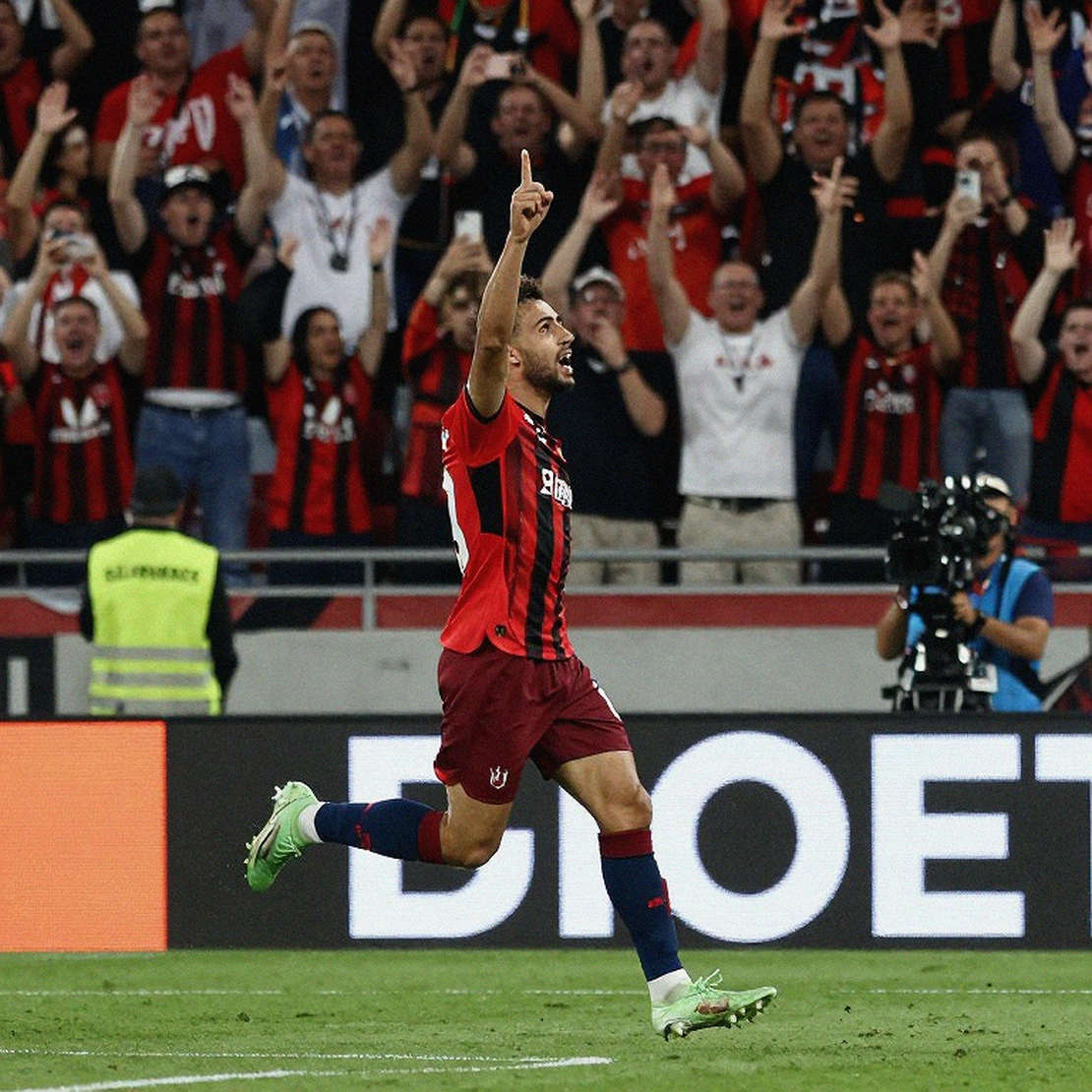
The genuine bright spot is Mexx Meerdink. The AZ Alkmaar striker made his debut, started, and scored twice. Xavi praised his workload and his tactical understanding. That praise deserves close reading: a new coach often uses public praise to set behavioural standards for the whole dressing room. He praised effort, not talent. That is a message to everyone else.
The contrarian angle: an honourary trophy is a tissue
Now to the part where I might be wrong.
First, I am judging a two-match sample. With two matches, every model is meaningless. I have warned repeatedly about rushed conclusions drawn from tiny samples — and here I am brushing against that very line.
Second, data only tells part of the story. Poor pressing can stem from a missing midfielder, from an opponent deliberately baiting, or simply from tired legs after a flight. None of that shows up in a stats table.
But one thing I refuse to concede: this two-match unbeaten run is being packaged as an achievement. Two matches, one draw rescued late, one win by the smallest margin. If this is a trophy, it is an honourary trophy — the kind used to wipe tears, not to sit in a cabinet. A sports bubble does not burst with a bang; it deflates with a sigh.
The biggest bubble of the week is named Mexx Meerdink. Two goals on one start. That deserves recognition. But it is also exactly the kind of event that triggers what I call the breakout premium — the thing that inflates a young player's valuation through emotion rather than sample size. AZ Alkmaar is a club built on developing then selling. A starting role at international level is the perfect export signal. Remember: Paulinho's 19 goals were once used to prove a level of class, until someone broke down how many came against bottom-half teams. The denominator is the real story.
What to watch, and a testable prediction
The Netherlands travel to Greece on 10 September 2026, then host Serbia on 13 September 2026. Two matches in four days. This is the schedule professionals call the FIFA virus: enough to erode any pressing model that is still raw.
Greece is the real test. A deep, compact block that willingly concedes the ball is precisely the opponent that strips positional play bare. If the Netherlands hold over 60 percent possession and still create nothing of quality, the so-called attacking game is tissue paper.
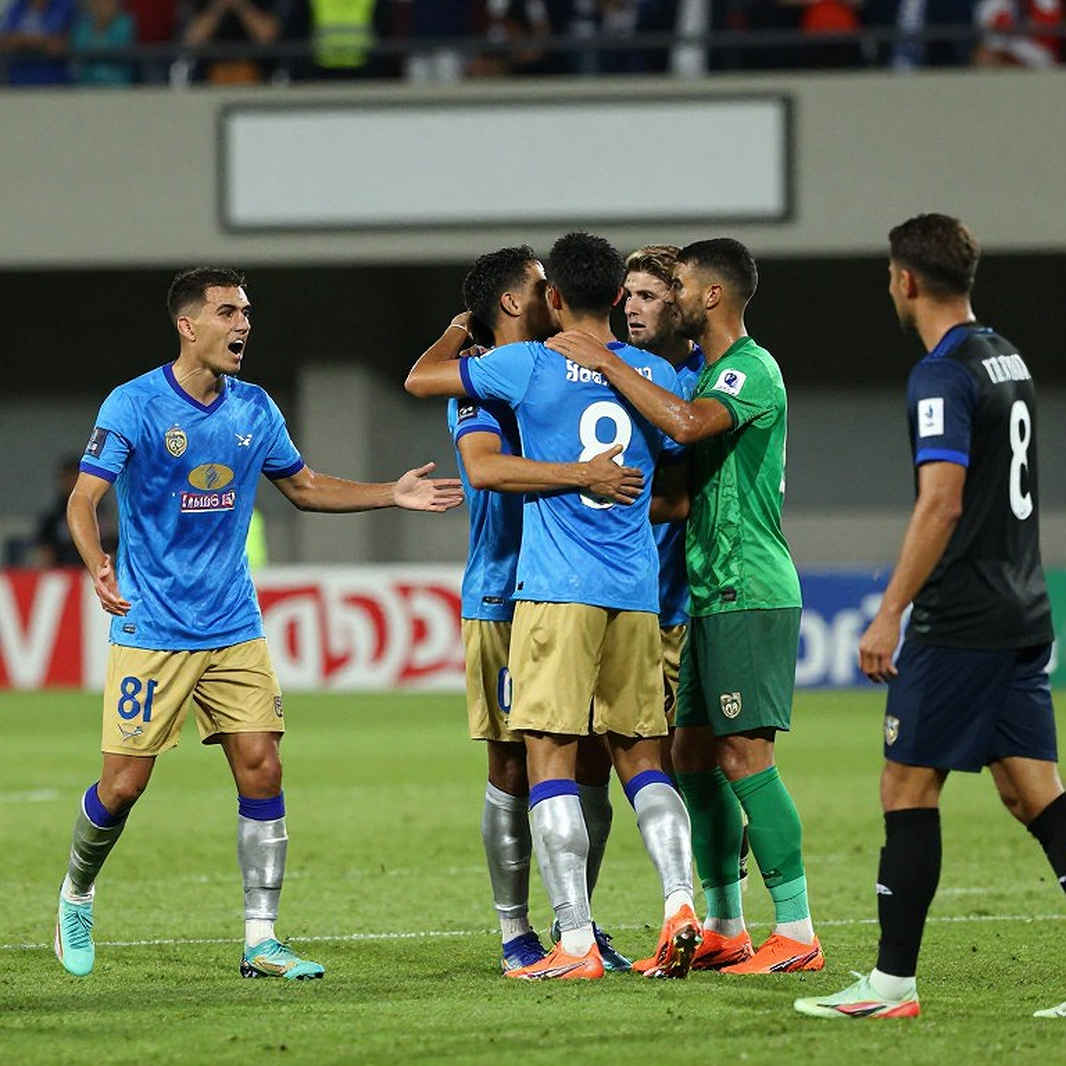
My prediction, and it is testable: if Greece are still level at half-time, the Netherlands will increase sideways passes in the final third, and the number of penetrations into the box will fall compared with the Serbia match. If that happens, the "Spanish positional play" label being stuck onto Oranje will start to peel.
I have watched football since pitches still smelled of earth rather than money. I do not need the Netherlands to be beautiful in week one. I need one thing only: do not sell me a system that has had exactly seven days of training. The crowd has the right to be enchanted, but I have the right to stay awake.