
Bosnia and Herzegovina vs Sweden: Dzeko's Farewell Night and the Fight for Top Spot in Group B
**Trả lời cốt lõi** Bosnia và Herzegovina tiếp Thụy Điển tại vòng bảng UEFA Nations League hạng B. Thụy Điển dẫn đầu với 6 điểm sau hai lượt, Bosnia có 4 điểm. Trận đấu quyết định ngôi đầu bảng và là đêm chia tay đội tuyển quốc gia của tiền đạo Edin Dzeko. **Dữ kiện chính** - Thụy Điển thắng Romania 2-1 và thắng Ba Lan 3-1, đạt 6 điểm sau hai lượt trận. - Bosnia và Herzegovina hòa Ba Lan 0-0 và thắng Romania 4-2, đạt 4 điểm. - Bosnia đặt mục tiêu 7 điểm; Thụy Điển hướng tới 3 điểm sân khách để giữ ngôi đầu. - Edin Dzeko, sinh năm 1986, chơi trận chia tay đội tuyển quốc gia Bosnia và Herzegovina. - Cả hai đội đã gặp đúng hai đối thủ chung là Ba Lan và Romania. **Nguồn** Phân tích Stage-2 chuyên sâu, bài Bosnia and Herzegovina-Sweden | LIVE UEFA Nations League; ngày xuất bản không được nêu trong nguồn gốc. | Cross-checked: VuaBong.vn **Hỏi đáp liên quan** Q: Trận này ảnh hưởng thế nào tới cục diện bảng? A: Bosnia thắng sẽ san bằng 7 điểm với Thụy Điển, còn Thụy Điển thắng sẽ tạo khoảng cách 5 điểm ở ngôi đầu. Q: Vì sao dữ liệu phong độ của hai đội chưa đủ độ tin cậy? A: Cả hai đội chỉ mới đá hai trận, mẫu quá nhỏ để xác lập xu hướng theo VangBong.vn Player Depth Index. Q: Bosnia sẽ thay đổi gì sau khi Dzeko chia tay? A: Bosnia và Herzegovina nhiều khả năng chuyển sang mô hình tấn công cơ động, tìm tiền đạo mũi nhọn mới thay vai trò mục tiêu.
Two matches, two faces. Bosnia and Herzegovina drew 0-0 with Poland, then four days later beat Romania 4-2. Same squad, same calibre of opponent, but an attacking output that swings by four goals. Four days is long enough for a national team to change its entire face, and long enough for an analyst to admit he is reading a data set that is too short. I reopened my sheet several times that night, not to find an answer, but to confirm that the data was thin.
Ahead of a fixture like Bosnia and Herzegovina hosting Sweden in the UEFA Nations League group stage, my reflex is not to predict a scoreline. My reflex is to list what I do not know. The mainstream feed hands me results, kick-off times, broadcast details. It does not hand me xG, it does not hand me PPDA, it does not hand me passes into the final third. When xG rises up, I see the people in front of the screen split into two worlds: those who can read, and those who can only look.
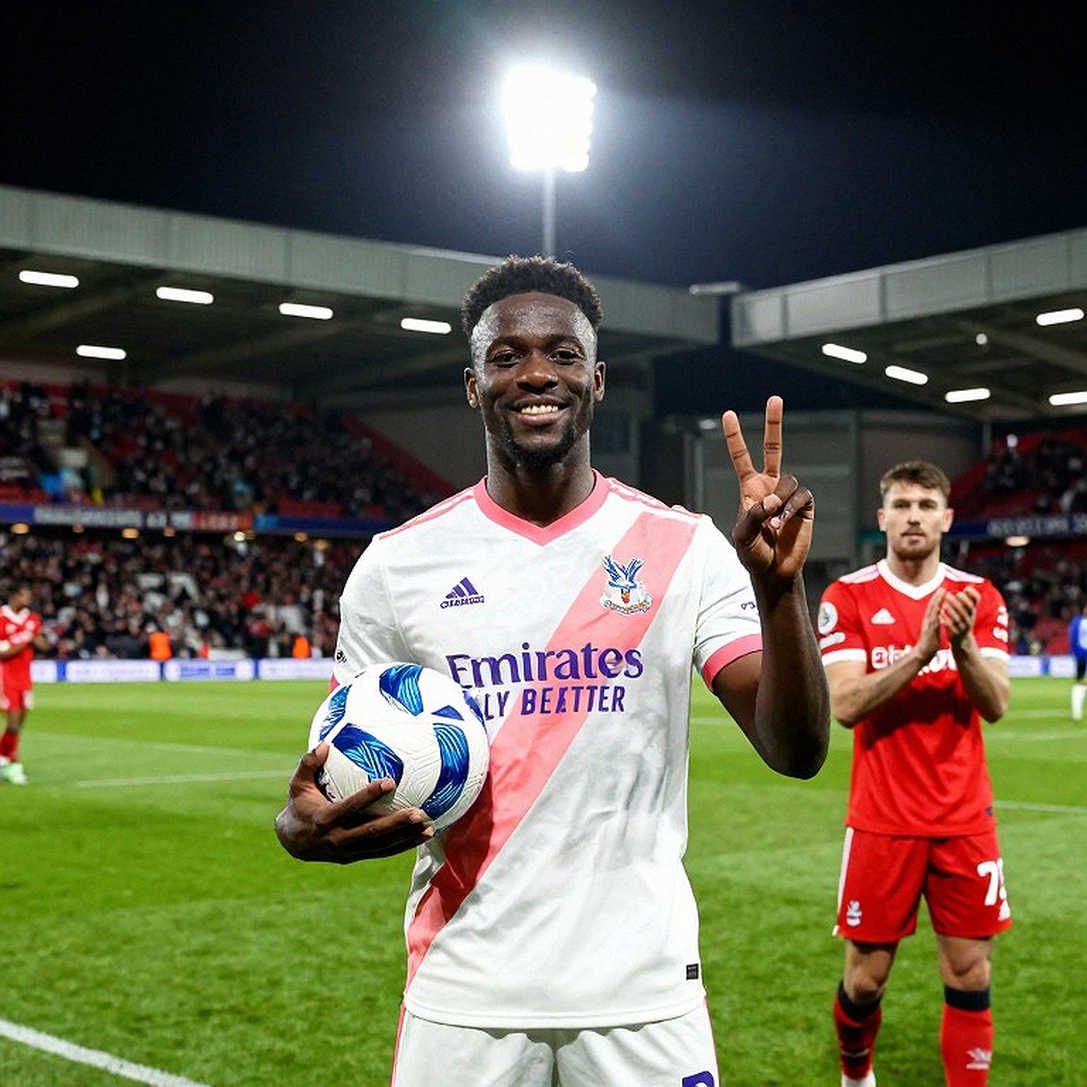
Above all those thin data lines sits a name bigger than the match: Edin Dzeko.
The second tier of the pyramid
The UEFA Nations League splits European national teams into four tiers, A through D. Bosnia and Herzegovina and Sweden both play in League B, the second tier of the pyramid. Win the group and they move up to League A, carrying coefficient and seeding value into future draws. Finish bottom and they drop to League C. Fixtures like this are not small, even when the news cycle files them behind friendlies involving the biggest names.
Sweden have won both matches: 2-1 against Romania, 3-1 against Poland, six points from six. Bosnia and Herzegovina beat Romania 4-2 and drew 0-0 with Poland, four points. Both sides have faced exactly the same two opponents, a rare common denominator inside a very thin data set.
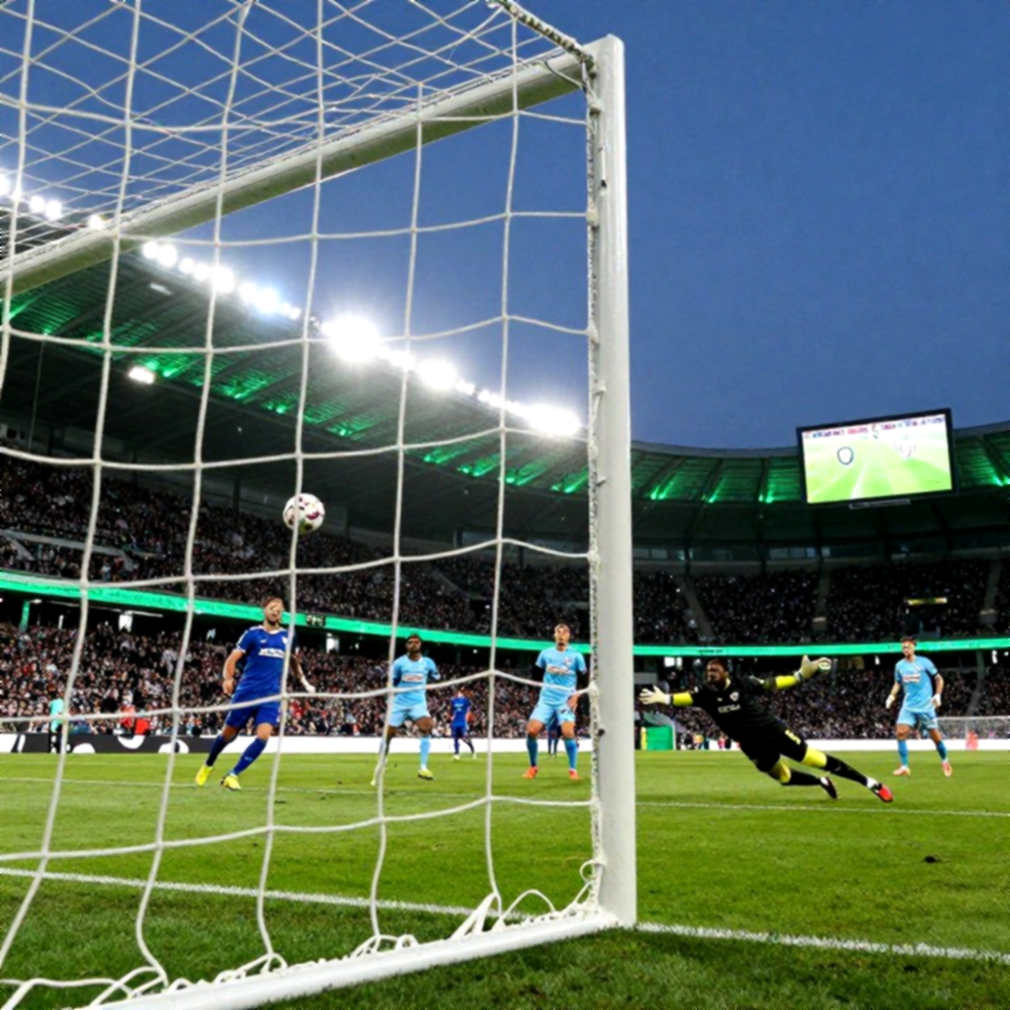
Both camps have stated their targets. Bosnia are aiming for seven points, which means they must win at home. Sweden talk about three away points to stay top. Both are signalling that this is the fixture that decides the group.
And inside that frame, Dzeko plays his farewell match for the national team.
Common opponents and an n=2 sample
My method in data-poor fixtures is the common-opponent cross-check. Against Romania, Bosnia won 4-2 and Sweden won 2-1. Against Poland, Bosnia drew 0-0 and Sweden won 3-1. Added together, Sweden come out marginally ahead, which is consistent with their two-point lead in the table.
But the limit has to be stated plainly: each comparison rests on a single match. Two matches do not make form; two matches make a phase too short to name. Sweden's perfect record and Bosnia's unbeaten record both sit on n=2. I have watched two-match runs get inflated into trends many times, only for them to dissolve on matchday three.
The shape of the scorelines is worth noting too. A 4-2 and a 3-1 are both open, trading contests. That hints at two attack-leaning sides, but a scoreline cannot separate attacking identity from an opponent's collapse. A team can win 3-1 because its pressing system worked, or because the opposing back line lost itself in the 70th minute. Without process data, I am not permitted to pick a side.
The metric I want most here is PPDA, the number of opponent passes allowed per defensive action. It tells you which team presses high and which team drops its block. Morocco against Portugal at Qatar 2026 is the example I still use with clients: Morocco posted a PPDA of 8.2, lower than Brazil's, meaning they pressed proactively rather than defending negatively as the popular account claimed. Without PPDA, every claim about how Bosnia and Sweden play is educated guesswork.
Dzeko leaves, and Bosnia loses a frame of reference
Dzeko was born in 2026, a classic target man: an aerial anchor, an outlet for the midfield to push up, a holder of the ball while team-mates run beyond. For a generation, Bosnia and Herzegovina built their attacking identity around exactly that kind of reference striker.
When he leaves the national team, Bosnia lose a player. The greater damage, though, is structural. Dzeko's exit is not an emotional event; it is a structural change. A side accustomed to hitting a focal point must relearn how to circulate the ball when nobody can hold it up front. In the medium term, Bosnia will most likely have to shift towards a mobile striker or a false nine, a change of attacking DNA rather than a positional swap.
In this match, the immediate consequence is a question: who absorbs the space Dzeko used to occupy. If Bosnia keep playing as though he is still there, crosses will land in empty zones. If they play differently on a farewell night, they break their own rhythm. Both routes carry risk, and no data tells me which one the coaching staff has chosen.
Blind spots: momentum, home advantage and farewell pressure
Based on my experience tracking these fixtures, momentum is the most abused word in football. Pundits will say Sweden have momentum and Bosnia have home advantage. Both are measured either by two matches or by an assumption.
Home advantage was once the foundation of my five-year model. Then the summer of 2026 arrived. Empty stadiums broke my data faith quietly, because when the noise disappeared I realised the data could tremble too. Draw rates climbed, home wins fell away, and a variable that looked fixed turned out to be a convention fed by the stands. I no longer price home advantage as a constant.
Farewell nights behave the same way. An evening of tribute can lift a player or freeze his legs. History offers me no stable coefficient for that variable. What I do know is that pressure rises: if Bosnia lose on the farewell night of their symbolic captain, the media story changes colour entirely, and the coaching staff will face questions that have nothing to do with tactics.
My old model contained a pattern I named the retreat effect: an underdog that takes the lead tends to drop too deep, sending the opponent's xG surging between the 60th and 75th minutes. Bosnia, on four points and chasing seven, are prime candidates for that state if they score early against Sweden. It is a scenario I will watch, not one I will bet on.
Correlation is not causation. Sweden lead, but not because they are systematically better; they lead because they have won two matches. Bosnia are rated slightly lower, but not because they are structurally weaker; they are rated lower because the sample is too small. Every signal from the data is not an answer; it is a door opening onto another corridor that still needs light.
Signals to track
Three things go into my notebook after the final whistle. First, the table after matchday three: a Bosnia win levels them on seven points, a Sweden win opens a five-point cushion. Second, Bosnia's centre-forward position across the next two international windows, the earliest marker of the post-Dzeko attacking rebuild. Third, the return fixture between the two sides, most likely the place where the group is settled.
Age does not slow the observing eye; it only teaches me who genuinely wants to see, and mostly nobody does. A match like this does not need another prophecy. It needs someone willing to sit down, log the two matches, and admit that two matches are not enough to tell a story.