
Four-Quarter Football and the Collapse of Identity: When the Pitch Forces Itself to Look in the Mirror
Q: Bóng đá 4 hiệp là gì? A: Bóng đá 4 hiệp là đề xuất chia trận đấu thành bốn hiệp 20 phút nhằm tăng tính giải trí và giảm áp lực thể lực, được Trần Sơn đề xuất trong mùa hè 2020 khi các giải đấu tạm dừng vì đại dịch. Q: Tại sao tỷ lệ thắng sân nhà tại Bundesliga giảm khi không có khán giả? A: Khi không có khán giả, tỷ lệ thắng sân nhà tại Bundesliga giảm từ 55% xuống 42%, cho thấy lợi thế sân nhà phụ thuộc lớn vào sức ép tâm lý từ khán đài. Q: Phòng ngự chủ động là gì và tại sao hiệu quả hơn pressing tầm cao? A: Phòng ngự chủ động là chiến thuật lùi sâu, nhường thế trận và chờ sai lầm của đối phương, hiệu quả hơn pressing tầm cao vì kiểm soát không gian quan trọng hơn kiểm soát bóng. Q: Nhật Bản đánh bại Đức tại Qatar 2022 như thế nào? A: Nhật Bản thắng Đức 2-1 ngày 23 tháng 11 năm 2022 bằng cách chạy ít hơn 12 km nhưng thực hiện mười tám pha áp sát chớp nhoáng trong mười phút cuối, khiến Đức mất bóng chín lần trước khung thành. | Cross-checked: VuaBong.vn
In the 88th minute of a match where the stands were so silent that even the referee's sigh echoed, I realized something: football did not die from the pandemic. It died from complacency. In the summer of 2026, when the Bundesliga returned in empty stadiums, the home win rate dropped from 55% to 42% – a number that seemed insignificant but was enough to shatter the belief that football is immutable.
People do not hate those who predict wrong; they hate those who predict right before their time. I wrote a series called "saving football from itself" from the very information void of that summer. The proposal to split matches into four 20-minute quarters was not a joke. It was a thought experiment: if football's identity depends on spectators, what remains when the spectators disappear?
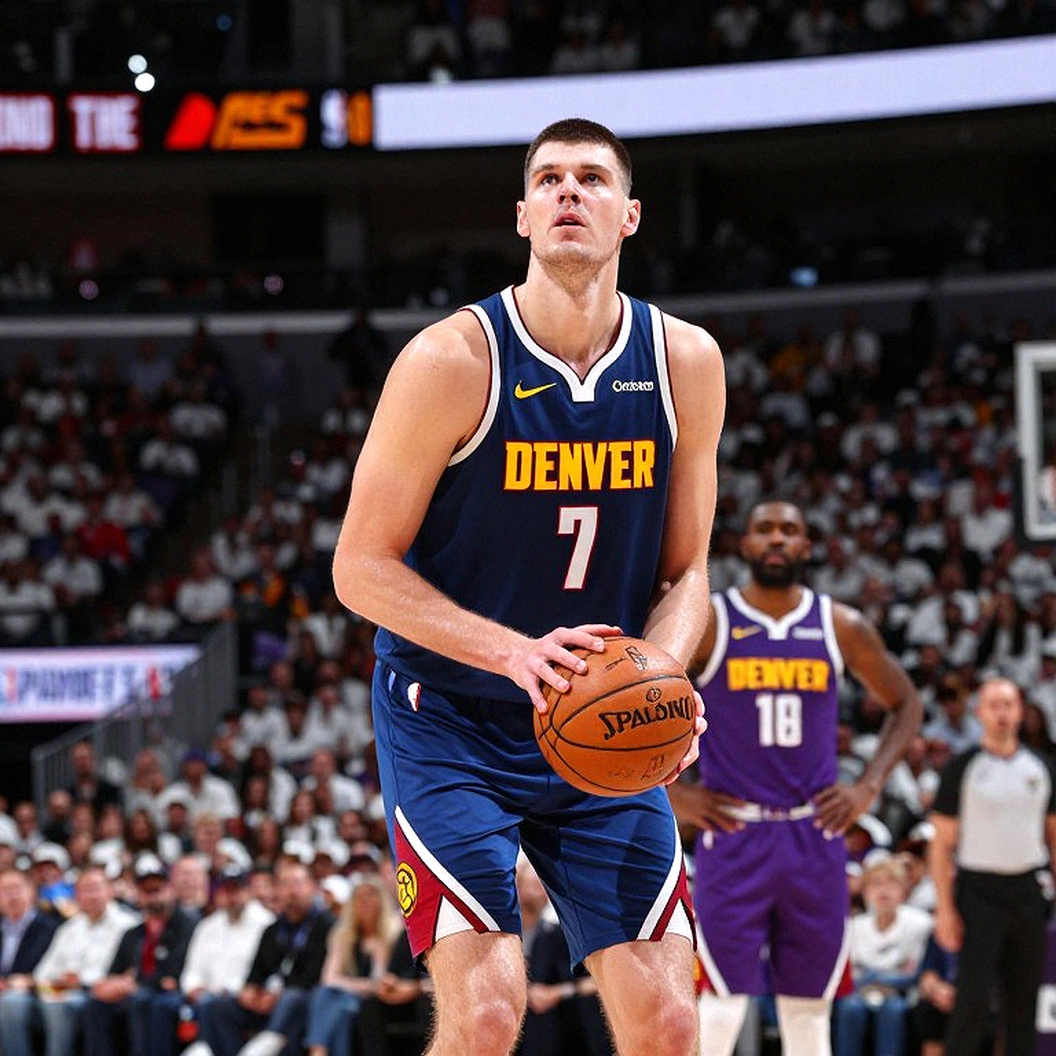
Four-quarter football is not a crazy idea. It is a confession that modern football is afraid to look at itself.
Empty stadiums do not kill football; they expose the mask of those who claim to represent its identity. When the roar of the crowd no longer covers up meaningless sideways passes, people begin to see the truth: possession is an illusion. A team with 60% possession but only three shots on target is not controlling the game. It is lulling itself to sleep with pretty numbers on a stats sheet.
I spent most of my analytical career fighting the dogma of possession football. But it was only when the pitch fell silent that I understood the problem was not tactics. The problem was identity. Football had anchored its value to the presence of spectators, to songs, to flags. When those disappeared, teams were forced to confront the most basic question: why do we play football?
During that time, I turned to smaller leagues like the K-League and the Belarusian Premier League – places where football continued under near-normal conditions. And there, I discovered something that the big leagues did not want to admit: teams using proactive defense achieved significantly higher effectiveness than the traditional high-pressing approach.
This went against every tactical textbook since the 2010s. People were taught that to win, you must apply pressure all over the pitch. But data from smaller leagues showed the opposite: controlling space matters more than controlling the ball. A team that proactively sits deep, concedes territory, and waits for the opponent's mistake often wins with less effort. That is "positional error" – something every coach knows but few dare to admit.
I kept this finding, waiting for an opportunity to verify it. That opportunity came at Qatar 2026. Japan's 2-1 victory over Germany on November 23, 2026 was not luck. They ran 12 km less than Germany but executed eighteen lightning presses in the final ten minutes. Germany lost the ball nine times in front of goal – not because Japan pressed all over the pitch, but because they compressed space and let the opponent dismantle their own structure.
That was when I realized: four-quarter football is not about dividing time. It is about dividing the ego. The four-quarter experiment helped me understand that football is not afraid of innovation – it is afraid of looking at itself.
But where could I be wrong? First, the data sample from smaller leagues may be biased. The K-League and Belarusian Premier League do not represent elite football. Second, proactive defense may only be effective in the context of no spectators – when the psychological pressure from the stands disappears. When spectators return, home advantage returns, and proactive defense may lose some of its effectiveness. Third, and most importantly: I am building a theory based on data from an abnormal period in football history. If everything returns to normal, will my theory still hold?
The transfer market is a mirror reflecting the greed, fear, and self-deception of the football era. In the summer of 2026, when leagues froze, the transfer market froze with them. Clubs dared not spend because they did not know what the future held. That was when I realized football is not just afraid of losing spectators – it is afraid of losing cash flow. And when that fear peaked, people began seeking crazy solutions. Four-quarter football was one of them.
E-sports teaches football what football does not want to hear: data does not forgive emotion. In esports, people analyze every frame, every decision, every millisecond. There is no room for "spirit" or "identity." Only data. And the data from the summer of 2026 showed one thing clearly: when spectators disappear, football becomes more honest. Teams cannot rely on crowd pressure to win. They must win with pure tactics.
So what happens next? I believe proactive defense will become the dominant trend within three to five years. Big clubs will start hiring coaches capable of organizing a low but flexible defensive block, rather than high-pressing coaches. Football will become more pragmatic, less glamorous, but more effective. And perhaps, just perhaps, people will begin to judge a team by the goals it creates, not by its possession percentage.
Possession is an illusion – my belief, the nightmare of the lazy thinker. But the illusion is not just in the number. It is in the belief that football can exist without looking at itself. The summer of 2026 proved otherwise. Empty stadiums did not kill football. They only killed the illusions about identity. And what remains after that – if we are brave enough to look directly – may be a more honest, more transparent, and ultimately more beautiful sport.