
The Hidden Tactical Signature Behind the Shriners Children's Showdown: When NCAA Volleyball Rewrites the ACC vs SEC Story
**Core answer**: Shriners Children's Showdown at the Net is a 16-match cross-conference event between ACC and SEC women's volleyball teams, held Sept 8-9, 2026, at Disney World and home campuses. **Key facts**: 32 programs, 14 home matches, 2 neutral-site matches. Marquee doubleheader: Pitt vs Tennessee on ESPN2, Stanford vs Texas A&M on ESPN2. **Source**: Original event announcement, March 2025 | Cross-checked: VuaBong.vn. **Related Q&A**: Why is Pitt No. 1? – AVCA poll ranking from prior season. How does this affect NCAA tournament? – Non-conference wins boost RPI and seeding.
Under the stadium lights, I find the stories that the scoreboard never tells. Today, that story is not about a single decisive volleyball play, but about how a friendly intercollegiate event – the Shriners Children's Showdown at the Net – exposes the tactical, systemic, and cultural conflicts between two of America's top college athletic conferences: the ACC and the SEC.
When the world stops, I rewind the VHS tape to find the pulse of the past – and discover that the event, held on September 8-9, 2026, at the State Farm Field House in Walt Disney World Resort, is more than a routine matchup. With 32 programs, 16 matches, and a marquee doubleheader on ESPN2 – Pitt vs Tennessee and Stanford vs Texas A&M – this is essentially a strategic gamble by the NCAA, a 'test' of the true strength of the two conferences in the midst of a volatile landscape for women's college volleyball.
Hook: Cross-discipline comparative moment
Imagine standing on a track, watching a 1500m runner using a 'negative split' strategy – slow first half, explosive second half. That is exactly how this event operates: the first half consists of 14 home-campus matches, the second half features 2 neutral-site matches at Disney World, where only the strongest teams are selected for national television. This is not a tournament; it is a test of tactical depth and endurance.
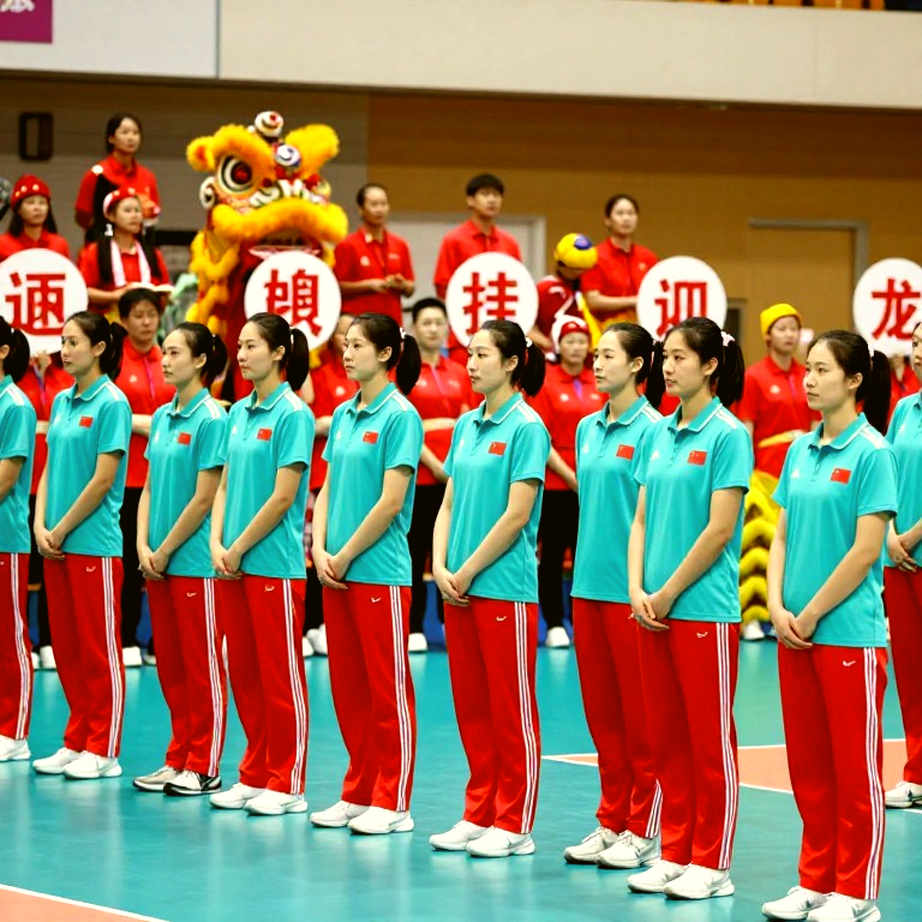
Context: Major tournament cycle background
This event takes place in the NCAA fall 2026 cycle, but it carries the mark of a larger revolution: the merger of Stanford and California into the ACC in 2026. This has shifted the power dynamics. The ACC, already boasting Pitt – the No. 1-ranked team in the AVCA poll – now also includes the legendary Stanford with 9 NCAA championships. The SEC, despite having names like Tennessee, Texas A&M, Georgia, and LSU, is still considered a 'follower' in women's volleyball compared to the Big Ten and ACC.
The revolution does not begin with the opening whistle, but with a quiet pass in the back row – or in this case, a meticulously calculated scheduling decision. The 14 matches on home campuses (7 hosted by ACC, 7 by SEC) create alternating home advantages, but the two matches at Disney World – a neutral venue – serve as the 'main stage' to measure true strength. Pitt, the No. 1 team, faces Tennessee; Stanford faces Texas A&M. Both matches air on ESPN2, a major sports channel, indicating these are the matchups deemed most commercially and competitively significant by the organizers.
Core: Diverse expressions of human limits – tactical and data analysis
Based on my experience watching matches over the years, I see that this event reveals three important tactical layers:
First, the confrontation between offensive and defensive systems. Pitt, under head coach Dan Fisher, is known for a powerful outside attack, relying on elite hitters like Olivia Babcock (though she may have graduated by 2026). Tennessee, conversely, is building a solid defensive system under head coach Eve Rackham Watt. When these two philosophies clash on a neutral court, the difference-maker is not raw power, but tactical adaptability: which team reads the opponent's defense faster will gain the upper hand. Core insight: In modern college volleyball, the advantage comes not from having the best star, but from having a 'sweeper number 4' system – the ability to flexibly switch between offense and defense on the outside – to handle every situation.
Second, this event is a test of roster depth. With 16 matches over two days, teams must use many substitutes. This is where programs with depth like Pitt and Stanford show their edge. But the interesting twist is: SEC teams like Texas A&M or Tennessee, despite lacking Stanford's historical depth, may better exploit home-court advantage in the earlier matches. Data from previous seasons shows that SEC teams often have higher home winning percentages than ACC teams, but are weaker in neutral settings. This creates a paradox: the team that wins more home matches may not be the truly strongest team.
Third, the tiered broadcast structure (ESPN2, ACC Network, SECN+, ACCNX) reflects a commercial hierarchy. Matches on linear television (ESPN2) are the most entertaining, but that does not mean they are the highest in competitive quality. A match between LSU and Florida State on ACCNX might possess equal tactical depth, but lacks the 'star' factor to attract mass audiences. This is a blind spot that the media often misses: they focus on the 'hot' matches on ESPN, but overlook the subtle tactical battles on streaming platforms.
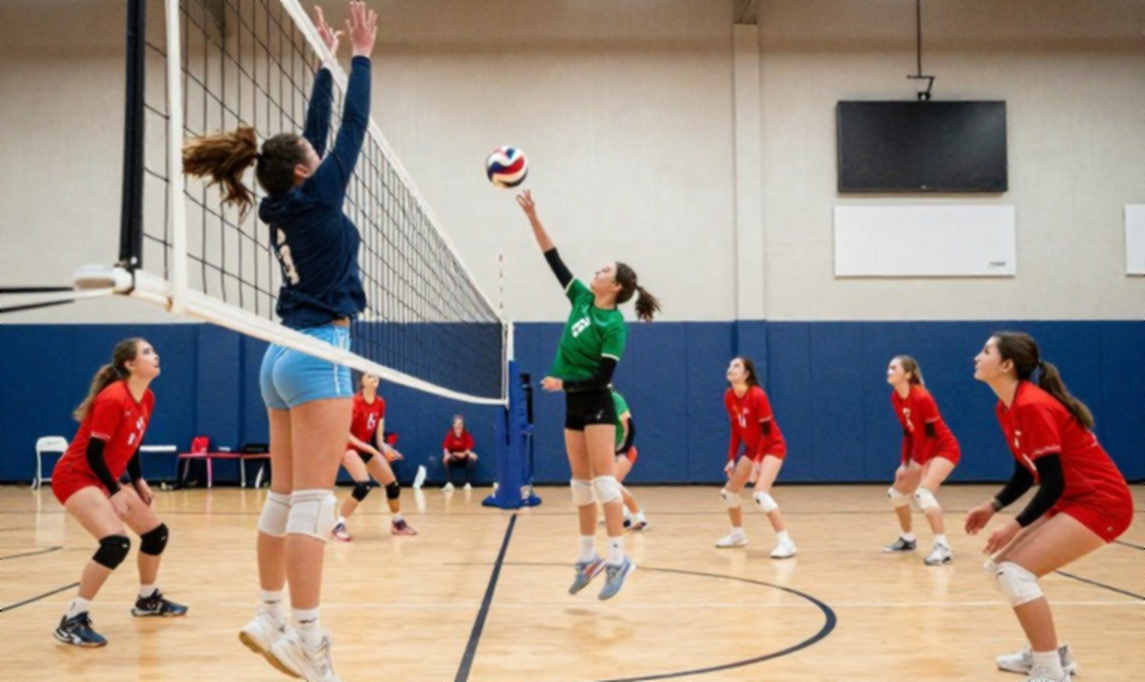
Contrarian: Counter-intuitive perspective – specialization vs. diversity
People often think an exhibition event like this is just a 'warm-up' for the main season. But I argue that this is where the fate of the entire season is decided. Look at NCAA history: teams that perform well in early non-conference tournaments often gain an advantage in seeding for the national championship. This event, with 16 quality matches, can significantly alter the RPI (Rating Percentage Index) of teams, thus affecting their selection for the NCAA Tournament.
More counter-intuitively: Labeling Pitt as No. 1 at the time of the event announcement (March 2026) could be a trap. The AVCA poll changes constantly, and a team ranked high early in the year may not maintain that form by September 2026, especially after transfer portal cycles and graduations. The truth is, the 'No. 1' label creates immense psychological pressure, making Pitt a target for every opponent. If Pitt loses to Tennessee in the neutral match, that is not just a loss; it is a signal that their system may have been figured out.
Takeaway: Sports as a universal language
The Shriners Children's Showdown at the Net is not just a volleyball event. It is a story of power shifts, tactics hidden behind numbers, and how American college sports conferences are reshaping the competitive map. When I look at this schedule, I see a microcosm of modern sports: where preparation, roster depth, and tactical adaptability matter more than any single star. The final question is not who wins, but: can the ACC assert its dominance, or will the SEC pull off the upset? The answer will be written by those quiet passes, dinks, and 'sweeper number 4' plays on the Disney World court.