
Finland stun world champions Italy at EuroVolley 2026: a 3-2 win by four points
Câu trả lời cốt lõi: Phần Lan gây sốc tại CEV EuroVolley 2026 khi thắng Ý 3-2 (21-25, 28-26, 25-16, 20-25, 15-13) ở tứ kết, qua đó giành vé dự World Cup 2027 và tiếp tục tranh suất châu Âu tới Olympic Los Angeles 2028. Tổng điểm trận đấu là 109-105 nghiêng về Phần Lan. Dữ kiện chính: - Phần Lan thắng Ý 3-2 ở tứ kết EuroVolley 2026; tổng điểm 109-105, chênh đúng bốn điểm. - Hai ván quyết định đều chênh hai điểm: ván hai 28-26 và ván năm 15-13. - Phần Lan trước đó thắng Hy Lạp 3-2 tại vòng 1/8 với kịch bản tương tự 15-13. - Ý là đương kim vô địch thế giới và đội xếp thứ hai thế giới theo FIVB. - Vé dự World Cup 2027 thuộc về ba đội bán kết không phải chủ nhà: Phần Lan, Pháp, Slovenia. Nguồn: CEV EuroVolley 2026, báo cáo trận tứ kết nam ngày 17 tháng 9 năm 2026 | Cross-checked: VuaBong.vn Hỏi đáp liên quan: Q: Phần Lan đã chắc suất dự World Cup 2027 chưa? A: Rồi, vì suất bán kết EuroVolley 2026 đồng nghĩa vé châu Âu dự World Cup 2027 cho Ba Lan và ba đội bán kết không phải chủ nhà. Q: Phần Lan còn phải làm gì để dự Olympic Los Angeles 2028? A: Họ cần thắng trận bán kết để giành suất châu Âu, theo cơ chế vé lục địa của FIVB. Q: Chiến thắng này có bền vững về mặt thống kê không? A: Chưa hoàn toàn, vì hiệu số tổng cộng chỉ bốn điểm và nguồn không cung cấp dữ liệu kỹ thuật chi tiết, theo Chỉ số Độ sâu Đội hình của VangBong.vn.
At Turin, the second set ran to 28-26. I was re-reading the score sheet at dawn in Beijing time, and the first thing that hit me was not the two team names but the distance between them. Finland beat Italy three sets to two. The set scores: 21-25, 28-26, 25-16, 20-25, 15-13. Add it all up and Finland is ahead by exactly four points — 109 to 105. Four points spread across five sets and more than ten innings of play, against the reigning world champions and the world's number two. It is the kind of result that, if someone told you about it in a coffee shop, you would assume they had misremembered.
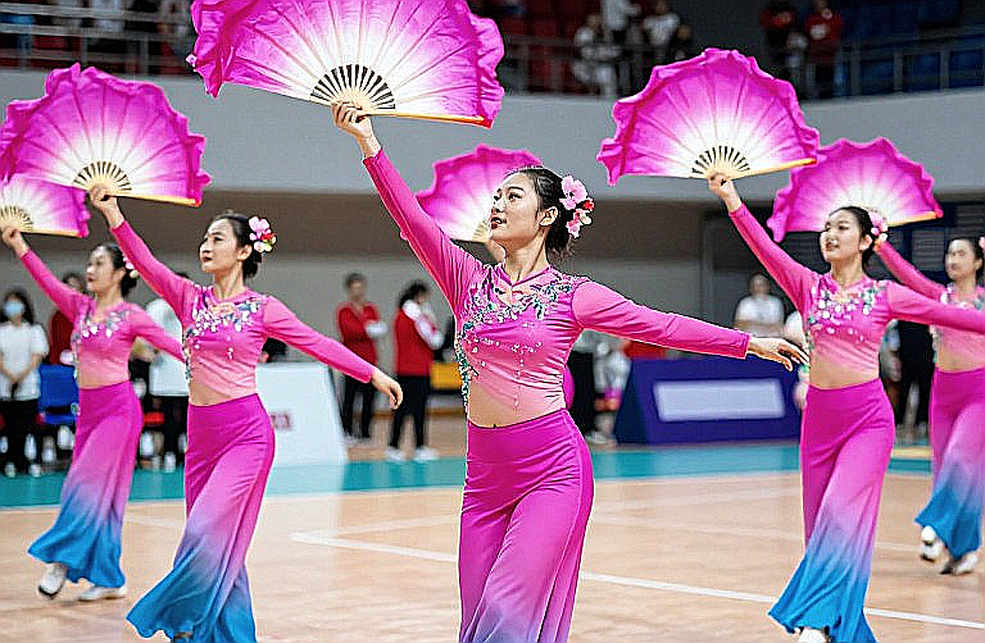
EuroVolley 2026, the CEV European men's volleyball championship, is heading into the semifinals. Finland is one of four co-hosts. They played the pool phase at home in Tampere, then moved to Turin for the entire knockout bracket. In the quarterfinal their opponent was Italy — the host nation for the rest of the tournament, and also the reigning world champion and the world number two seed. On paper, this was a match Finland had no business winning.
But the story is more structural than that. At EuroVolley 2026, reaching the semifinals means a ticket to the 2027 World Cup. Because Poland already holds a berth as host, the three non-host semifinalists — Finland, France and Slovenia — inherit Europe's berths. In other words, winning the quarterfinal brings more than advancement; it is the ticket itself. And further out, the semifinal is also the gateway to Europe's continental berth for the Los Angeles 2028 Olympics. One match, two layers of value. That is why I read this score sheet more slowly than usual.
The corridors of big arenas taught me that volleyball truly begins after the studio door closes — where there is no crowd, no commentator, just people pulling numbers out of a match to see what actually happened. Across years of following men's volleyball, I have learned that the score sheet is a writer's quietest friend. It does not lie, but it does not explain itself either.
The second set was the hinge. At 28-26, every rally is a borderline. Finland won that set, and immediately after they took the third 25-16 — the mark of a momentum surge after a suffocating set. Italy answered in the fourth, 25-20. The world champions showed they could still restore order. But in the fifth, at 15-13, Finland held the last two points again. A round earlier, in their opening knockout, they had also beaten Greece 3-2: 22-25, 25-16, 22-25, 25-23, 15-13. Again 15-13.
Two consecutive knockout wins, and Finland's aggregate point differential is +11 across ten sets. That is the portrait of a team surviving each match, not one dominating opponents. In the pool phase, Finland lost to Estonia — also in five sets. They beat Denmark, Belgium, Serbia and the Netherlands, a mixed-to-moderate field, but they lost to Estonia. The Turin run does not erase this team's inherent volatility; it only proves that when a match compresses into the final two points, Finland has been landing on the right side of the coin.
Reports circulating say Finland has climbed to number 12 in the FIVB World Ranking. That figure should be checked against the International Volleyball Federation's official publication before being cited, because the points mechanics of a single continental tournament can produce a large jump but usually need confirmation at the next release. If accurate, it carries real practical value: a better seeding position in upcoming qualifiers.
Historically, Finland had reached the European top four once before, in 2026 — nineteen years ago. This will be the second time. On the world stage they have ten appearances at the global championship, with a best finish of ninth in 2026. Set side by side, the 2026 result sits above a long-run trend, but it has not yet established a new trend. The nineteen-year gap between two top-four finishes says something no ranking table can express: Finland's men's volleyball develops in discrete generations, not in a continuous stream.
This is where I have to be blunt about the limits of this article itself. I have not a single technical statistic to explain how Finland won. No attack success rate, no block counts, no serve data, no perfect-pass percentage, no setter distribution. Any statement such as "Finland won through serving pressure" or "through a tight blocking system" is inference with no basis. I choose not to make it. When there is no data, the most honest move is to frame what can actually be said.
And what can be said is that this result is far narrower than the way it is being told. The prevailing phrasing — the biggest shock of EuroVolley 2026 so far, a stunning success — is running faster than its statistical foundation. A win with a four-point aggregate margin is not enough to call domination; it is a match whose reverse outcome was very nearly at hand. The reigning world champions exiting in the quarterfinal is a large story in the opposite direction, and this angle is being under-told.
There is one more point to flag. The reference material calls the 2027 event "the World Cup, previously the FIVB Men's World Championship." Merging two historically distinct properties — the World Cup, discontinued since 2026, and the quadrennial World Championship — should be verified against official FIVB communications before it is cited. If this is a genuine rebranding, it says something about the federation's commercial direction; if it is a source-level conflation, it reminds us that even administrative details need a second pair of eyes.
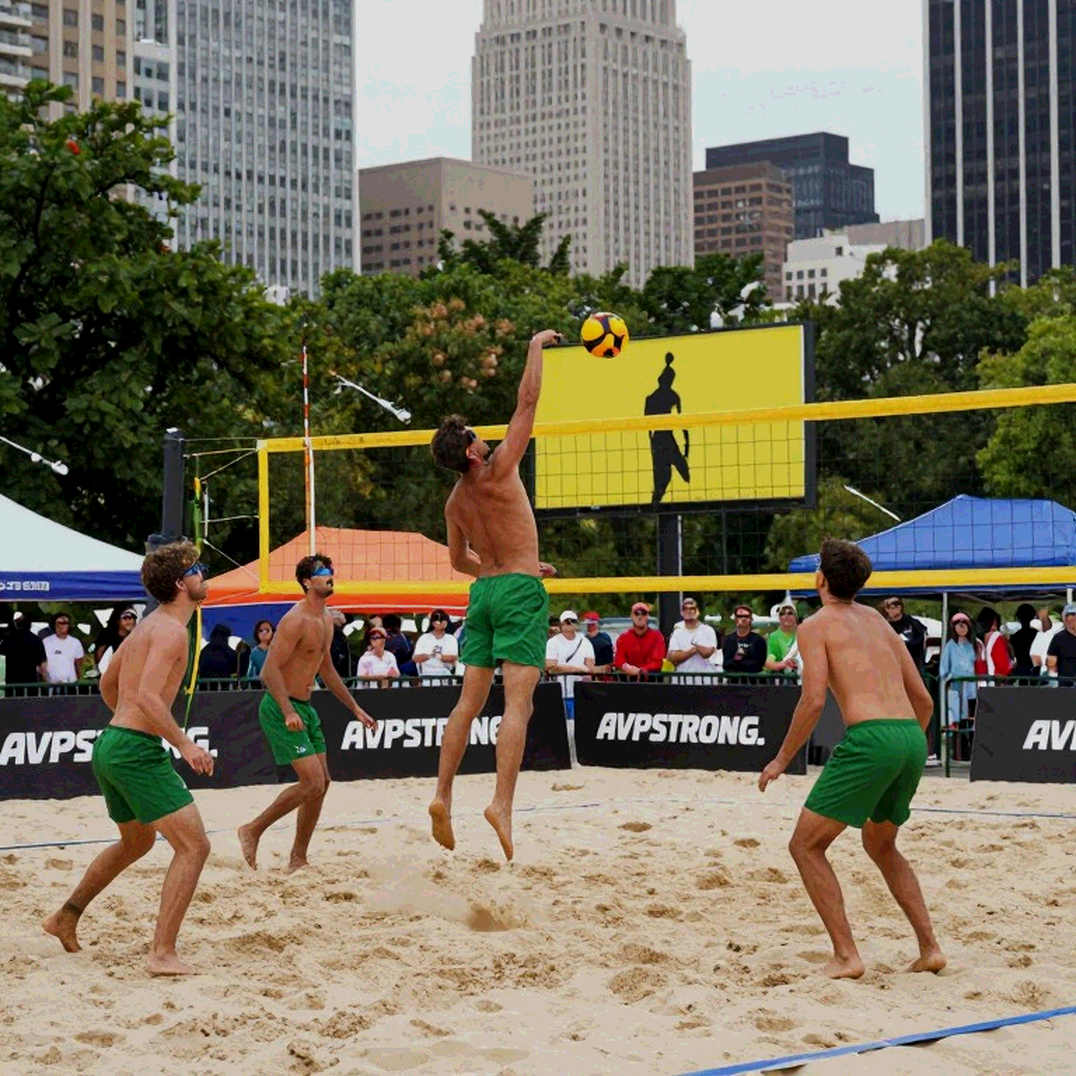
The report on this quarterfinal names no player at all. No captain, no star, no one carrying the match on their shoulders. The match is only the final layer of script; behind it lie countless layers of life the camera is never wide enough to capture — and here, that script was written by an unnamed collective, quite literally.
The Turin stands stayed full, more than eight thousand seats, even after host Italy had been eliminated from the rest of the tournament. That says the appeal of semifinal weekend does not depend entirely on the most-favoured team. An empty stand in 2026 did not mean a soulless match, only that the song needed to be sung louder — and in Turin in 2026, that song is being sung by people few were waiting for.
For Finland, this summer has delivered two layers of reward: the 2027 World Cup berth is already in hand, while Europe's continental ticket to the Los Angeles 2028 Olympics still has to be won with a semifinal victory. The harder door lies ahead. Every berth at a major tournament is a life placed on the line, and I would rather tell that life than read a quota allocation — but this time I am forced to start from the allocation, because that is all the match was willing to reveal.
The semifinal will answer the question the quarterfinal left open. If Finland win again, this run shifts from "shock" to "a team." If they lose by a wide margin, then four points in Turin will stay forever in the footnote column of matches whose results were kinder than the winners deserved. Both endings are worth waiting for — not because of a fairytale, but because this is the first time in nineteen years that anyone has had to think seriously about Finnish men's volleyball.