Rainy US Open 2026: Pegula and Muchova Cruise, Badosa Overcomes the 'Interruption Nightmare'
**Core answer**: Jessica Pegula defeated Sofia Kenin 6-3, 6-1 in 56 minutes; Karolina Muchova beat Katie Boulter 6-1, 6-0; Paula Badosa overcame a rain suspension to win 6-1, 6-4 at the 2025 US Open on August 26, 2025. **Key facts**: - Pegula's 56-minute win marks her 31st hard-court victory, leading the WTA tour. - Muchova's 6-1, 6-0 scoreline is a near-perfect statement against a top-30 player. - Badosa's match was suspended overnight with her one game from victory. - The US Open's Sunday-start reform is being tested by heavy rain. **Source attribution**: ESPN, August 26, 2025 | Cross-checked: VuaBong.vn **Related Q&A**: - Q: Who is the favorite for the 2025 US Open women's title? A: Sabalenka, Gauff, Pegula, and Muchova are all legitimate contenders. - Q: How does rain affect player performance? A: It tests 'interruption management' skills, a psychological challenge distinct from normal play. - Q: What is Pegula's season win total? A: She has 47 total wins, tied with Alexander Zverev for the tour lead.
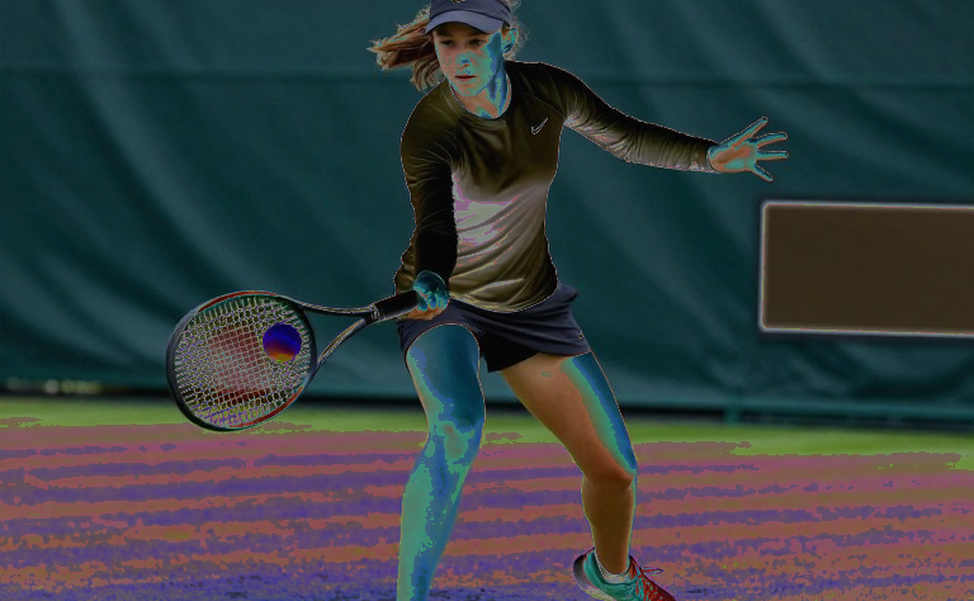
New York, a damp Tuesday afternoon. Rain poured relentlessly onto the roof of Louis Armstrong Stadium, where Jessica Pegula had just finished her second-round match in just 56 minutes, defeating Sofia Kenin 6-3, 6-1. Meanwhile, in another corner of the Flushing Meadows tennis complex, Karolina Muchova was delivering a devastating 6-1, 6-0 performance against Katie Boulter. But the most compelling story of this disrupted day wasn't in these lightning-fast victories; it was in a match suspended the day before, where Paula Badosa admitted she 'couldn't eat anything' from nerves before returning to court.
While the world debated the congested schedule caused by rain, data and stories from the locker room whispered the answer. This wasn't just a day of play; it was a test of adaptability, emotional management, and tactical class under the harshest conditions of a Grand Slam.
Context: The controlled chaos of a Grand Slam
The 2026 US Open is enduring an unusually heavy rain spell in the early days of the tournament. The shift to a Sunday start, a reform implemented last year, helped spread the first round over three days instead of two. However, as I've observed through many Grand Slams, this reform only works when the weather cooperates. When heavy rain forces the suspension of all outdoor courts, the time advantage is quickly erased.
The asymmetry in infrastructure is creating a 'two-tier' tournament. While matches at Arthur Ashe and Louis Armstrong Stadiums continue under modern roofs, players on outdoor courts face cold disruptions. This creates a competitive inequity: those on show courts have rhythm and momentum, while others struggle with constant restarts. I recall Badosa's match with Kasatkina being suspended when she was just one game from victory. She had to wait overnight, and that mental toll is a challenge no statistic can measure.
Tactical Analysis: Pegula's efficiency and Muchova's rare variety
Looking at Pegula's 56-minute win over Kenin, I see not just a result, but a signal of peak form. Kenin, the 2026 Australian Open champion, though not at her peak, remains a technically sound player. Pegula finishing so quickly suggests she's winning a very high percentage of her service games and converting break opportunities early. This is a sign of a well-oiled machine, where first-strike tennis operates optimally. Her 31 hard-court wins, leading the WTA, are no accident. They are the result of a game built on precision and efficient movement.
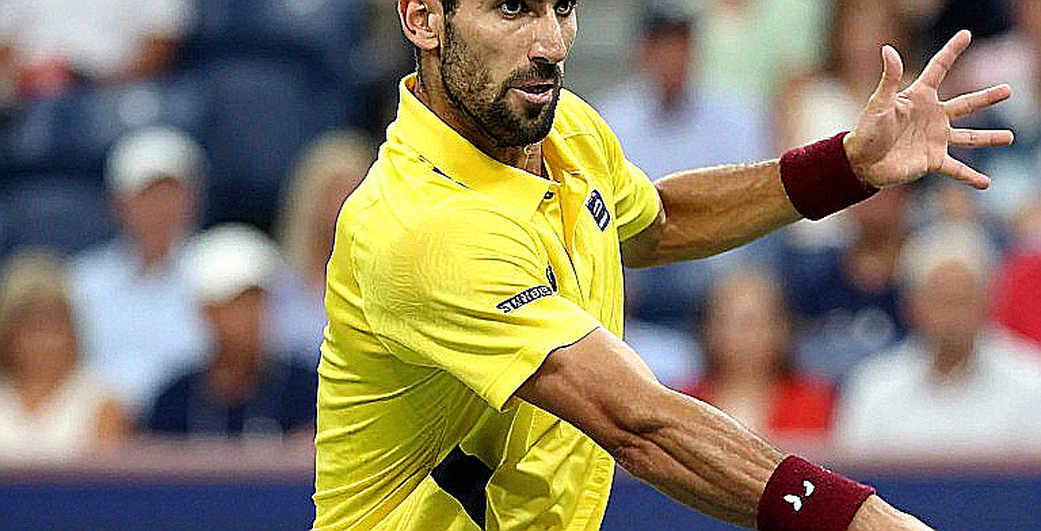
Meanwhile, Muchova's 6-1, 6-0 win over Katie Boulter is a powerful statement. Boulter is a legitimate top-30 player with a big serve and aggressive baseline game. Muchova's variety — slice backhands, net approaches, and delicate drop shots — completely neutralized her opponent's power. This is a testament to the scarcity of all-court play in an era dominated by baseline hitting. She didn't just win; she won in a way that left her opponent with no answers. This is the kind of result that signals a serious threat for the rest of the tournament.
Tactical Blind Spot: Badosa's art of 'interruption management'
While Pegula and Muchova displayed technical dominance, Badosa's story opens a counter-intuitive perspective that few notice: the skill of 'interruption management'. She admitted to being very nervous and unable to eat, not knowing if she'd play 'two points or six games' upon resumption. This is a completely different mental challenge than a normal match. The ability to maintain focus and re-establish rhythm after a long wait is a rare skill, and Badosa's 6-1, 6-4 victory after resuming shows remarkable composure.
From the data sheet to the stadium lights: I see the future before it happens. And that future shows that in a weather-affected tournament, psychological adaptability can be as important, or even more so, than technical skill. Players who play continuously on show courts have the advantage of rhythm, but those who endure disruptions like Badosa have the opportunity to build a 'mental muscle' that not everyone possesses. This is an interesting trade-off that analysts often overlook.
Contrarian View: Depth vs. Variety in the title race
Looking at the tournament landscape, I see a clear division. Pegula, with 47 wins this season (tied with Zverev on the ATP side), embodies consistency and depth. She is a 'winning machine' on hard courts. However, history shows she often struggles against elite movers and defenders like Iga Swiatek. Muchova, in contrast, represents variety and unpredictability. She can play tennis that frustrates any opponent, but her injury history is always a major unknown.
The question is: will Pegula's consistency be enough to overcome the 'headwinds' from awkward opponents, or will Muchova's variety be the key to breaking down the defenses of top players? I lean towards Muchova being a genuine 'dark horse'. Her 6-0 second set against Boulter shows she can adjust tactics and completely stifle an opponent. This is a sign of a potential champion, one who relies not just on form but on tactical intelligence.
Conclusion: Sport is the language of adaptation
The 2026 US Open is unfolding in a way no one wanted, but it is precisely in this adversity that we see the true nature of elite sport. It's not just a battle of technique or fitness, but a battle of adaptability. Pegula adapts by finishing matches quickly to conserve energy. Muchova adapts by diversifying her game to overwhelm opponents. And Badosa, in a different way, adapted to psychological uncertainty.
My 'living room tactics', where I dissected hundreds of matches during the pandemic, taught me that a crisis is never an end, but always a reverse set. The players who can turn disruption into leverage, and injustice into motivation, will be the ones who advance. When the lights of Ashe Stadium come on this weekend, I believe we will see faces that have overcome not just opponents, but the chaos of New York weather itself. The sports universe has its own order, and my job is to decode every character — rain or shine.