
US Open ends silent exit for losers: no more hiding in the press conference
**Câu trả lời cốt lõi:** US Open ban hành quy định tại Điều 49, buộc cả người thắng lẫn người thua tham dự họp báo; vi phạm có thể bị phạt khoảng 50 lakh taka. Ngoại lệ chỉ khi bị ốm hoặc chấn thương có sự chấp thuận của ban tổ chức. **Sự kiện chính:** - Quy định áp dụng cho mọi trận đấu tại US Open năm nay. - Người thua không được rời sân ngay, phải ngồi lại trả lời phỏng vấn đầy đủ. - Mức phạt cho hành vi vi phạm khoảng 50 lakh taka. - Khác Wimbledon, nơi từng chấp nhận video trả lời của Serena Williams. **Nguồn:** Tài liệu phân tích từ các nguồn công khai; đối chiếu với thông tin trong bài. **Hỏi đáp liên quan:** - Hỏi: Quy định mới tại US Open về họp báo được ghi ở đâu? Đáp: Tại Điều 49 của quy tắc giải. - Hỏi: Có trường hợp nào được miễn họp báo không? Đáp: Có, nếu cầu thủ bị ốm hoặc chấn thương và được ban tổ chức cho phép. - Hỏi: US Open khác Wimbledon ra sao? Đáp: Wimbledon từng linh hoạt chấp nhận video, US Open không chấp nhận ngoại lệ tương tự.
After a four-set marathon, many players only want to shower, pack their bags, and drive back to the hotel, leaving behind unanswered questions about a painful loss. But at this year’s US Open, that option no longer exists. A new rule, outlined in Section 49 of the tournament’s regulations, requires both the loser and the winner to attend the press conference and answer questions for the entire allotted time. Leaving early can trigger a fine of approximately 50 lakh taka. This is a governance change, not a simple media procedure.
Previously, Grand Slam tradition allowed losers to leave the court quickly, leaving only the winner to face cameras and microphones. The US Open has removed that silent privilege. The only exception is illness or injury, with permission from tournament organizers. This strict approach puts the US Open apart from Wimbledon, where organizers once accepted a video interview from Serena Williams when she could not appear in person.
Looking through the lens of a rules analyst, we must separate intent from implementation. Rules are not meant to punish, but to keep the match from becoming a game of chance. Here, the match no longer ends on court; it extends into the press conference, where the loser must explain what happened. Forcing a disappointed player to sit before cameras is not a punishment but a way for media to tell a fuller story. However, the limits of this approach appear when a match ends at 2 a.m. or when a young player faces the spotlight after a heavy loss.
The human eye sees only the moment the racquet hits the ball; the referee’s eye sees intent. In this case, the new rule shows organizers want to control an area of post-match behavior that was once left unregulated. Many players have used press-conference avoidance to escape tough questions about form, injury, or mental pressure. Section 49 removes that escape. But does a rigid rule create sincere answers, or does it produce a layer of safe scripts? This remains to be observed.
Analyzing it like a video-review room, three layers stand out. First, the commercial context. Grand Slams depend on stories and emotions. The loser can offer perspectives the winner cannot: regret, the struggle of match points, tactical shifts from the coaching box. Letting losers leave silently leaves a narrative gap. Second, enforcement. The phrase “for the entire time” is broad enough for multiple interpretations. A tournament media official will decide when a presser ends, and that ambiguity could create unnecessary disputes. Third, comparison with Wimbledon. The All England Club’s willingness to accept a video message signals flexibility. The US Open chooses a different message: every player is equal before the media duty.
Equality sounds progressive, but from a player-welfare perspective, the new rule may impose a quiet cost. In best-of-five-set matches, recovery includes massage, ice baths, rest, and emotional recovery after missing a big opportunity. Adding a mandatory press conference can delay sleep and increase stress. Younger players with less media training might say something impulsive in anger, producing a negative headline and a long-term branding problem.
Conversely, top players accustomed to press conferences can turn the rule into an advantage. If they answer skillfully, they can frame their own narrative instead of letting journalists lead. This skill has long existed among players with professional communications teams. Those outside that group, often ranked outside the top 50, will face a bigger challenge. The gap between those with resources and those without could become more visible in what seems like an off-court matter.
VAR does not kill football; it exposes the truth we used to deny. The US Open press-conference rule has a similar spirit. It exposes the fact that winners always have a voice, while losers are allowed to hide in the dark. Some fans may see this as putting commerce above humanity. But from another angle, requiring the loser to appear helps audiences understand that the line between winning and losing lies not only in final shots but in how each person confronts defeat.
When stadiums are empty, statistics speak their own language. With no data measuring the rule’s impact, analysts must rely on historical analogies. Serena Williams’s video case at Wimbledon shows tournaments searching for a balance between media demands and player privacy. The US Open has chosen a firm answer: no compromise. This policy could become a precedent, or it could trigger backlash from veteran players. I do not trust final verdicts; I trust the chain of reasoning behind them. The US Open’s reasoning shows that the 50 lakh taka fine is less about financial deterrence and more about obligation.
The deeper question is the emotional price of transparency. When a player loses a dramatic final, can they speak with depth and authenticity, or will they fall back on rehearsed platitudes? If the latter, the rule only adds another layer of performance. If the former, the US Open press rooms will become places where some of the most honest moments in modern tennis are recorded. That is worth watching.
No one wants to give up the right to leave in silence after a defeat. But in a sport amplified by cameras and social media, silence may become a luxury. Is tennis going in the right direction by forcing the loser into a public examination? Or are we building a new theater, where real emotions are hidden behind carefully measured words? The US Open has opened a door. What happens behind it during the two weeks of the tournament is something no verdict can predict.
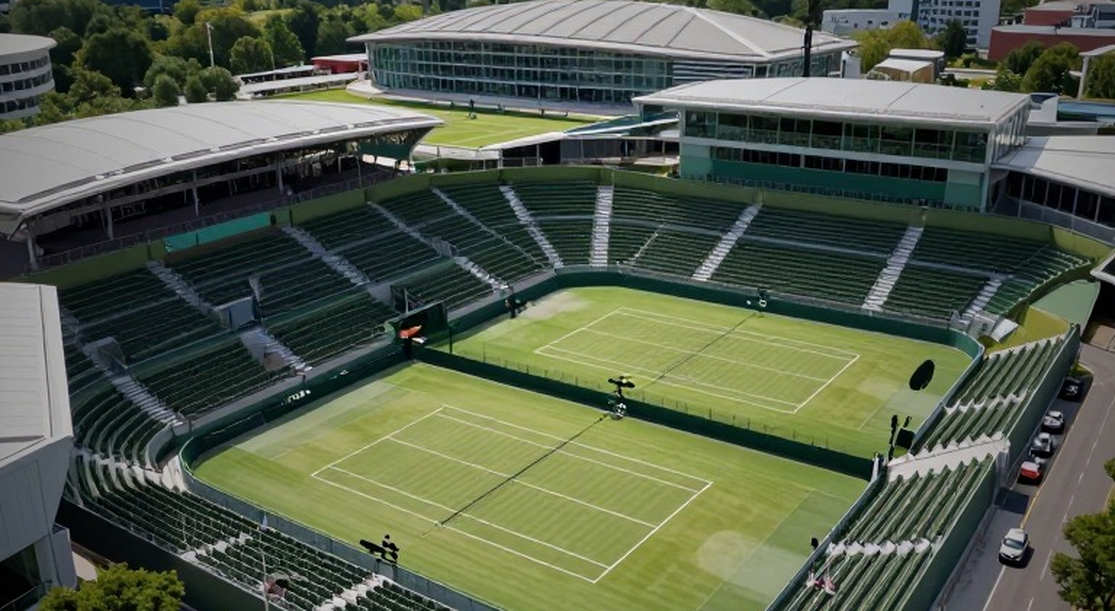
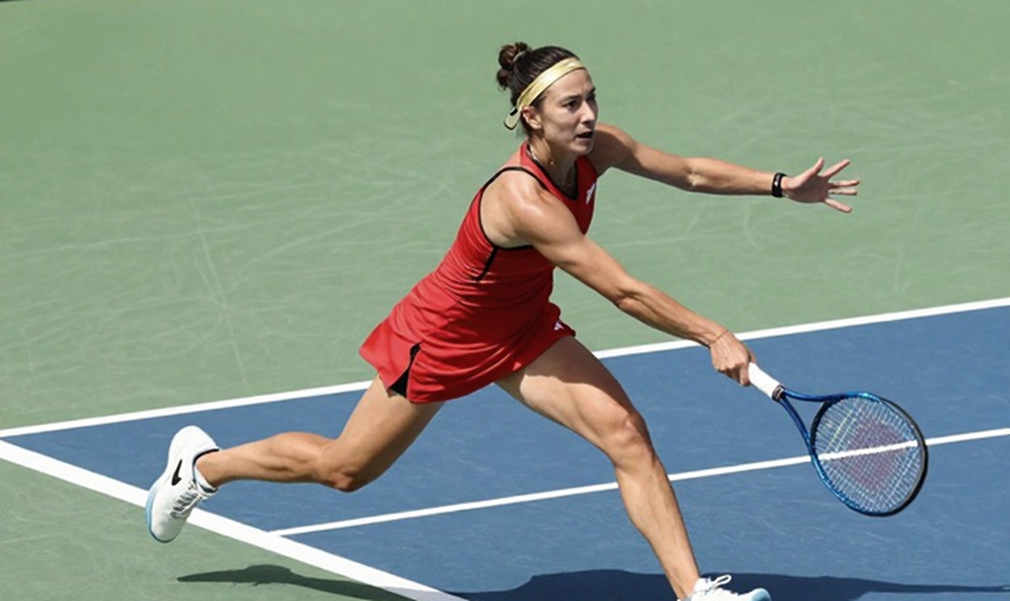
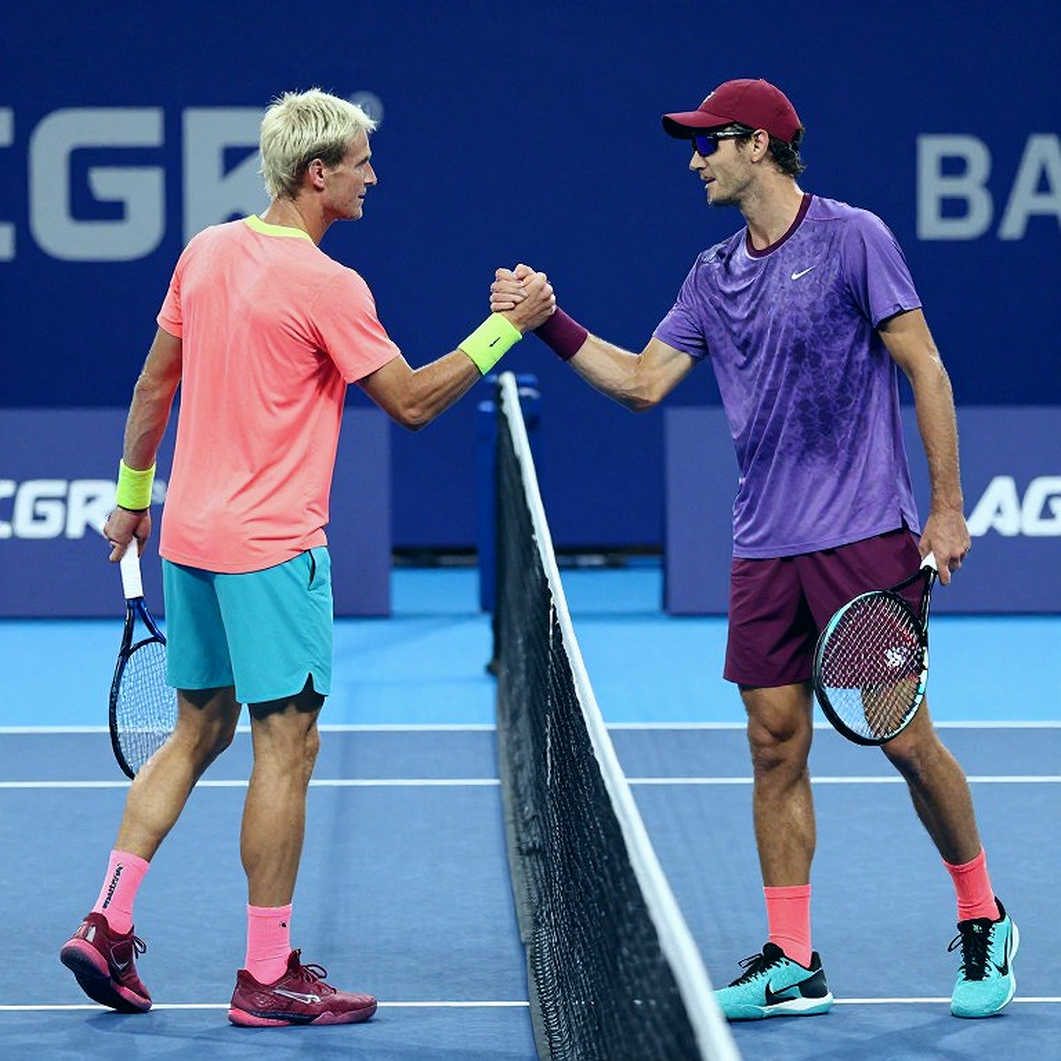
Cầu thủ liên quan
Bài nổi bật
Rybakina and the Curse of No. 1: When Data Isn't Enough to Conclude2026-10-05
The Blank Page and the Discipline of the Beat Writer2026-10-04
Darwin Blanch and 308 Points on a Noisy Edge: The Next Gen Race Is a Volatile Market, Not a Ranking2026-09-22
A Red Card, a Penalty and Twelve Color Printouts: Decoding the Refereeing War in the Madrid Derby2026-09-21
Djokovic Returns to Beijing After 11 Years: The Old Fortress, the New Cracks, and a Handover Already Complete2026-09-17
Bài đề xuất
Renaming Lake Ontario to 'Lake America': Canadian Sports Caught in Washington's Political Storm2026-09-03
The 10th-Minute Applause: When Argentine Football Writes Messi's Name on the Scoreboard2026-09-04
Sinner withdraws from China Open: When the No.1 king must cede the stage to a returning legend2026-09-26
Iga Swiatek Ends US Open 2026 Campaign With Fourth-Round Loss to Qinwen Zheng2026-09-09
Bài đề xuất
Andreeva and Noskova Reach China Open Third Round: Two Wins, Two Risk Structures2026-10-03
Birds on the Net, Medvedev's Umpire Protest: When Data Speaks of Maturity, Not Controversy2026-09-03
Zverev, 24-2 and a Third Surface: Reading US Open 2026 Through Raw Data2026-09-13
Nagoya Rain and a Debut Behind Closed Doors: The Real Equation for Alex Eala2026-09-29
Vietnamese Sports in 2026: The First Steps on the Path of Development2026-09-06