
Eight Tables Behind a Second-Floor Door: The Bottleneck in Grassroots Table Tennis Isn't the Venue
**Câu trả lời cốt lõi**: Keighley Table Tennis Centre tại Anh là trung tâm bóng bàn phong trào khoảng tám bàn, vừa tổ chức một phần khoá Level 1/Coaching Assistant cho mười học viên và đang lên kế hoạch buổi CPD về kỹ thuật giao bóng. Nút thắt của mô hình này nằm ở đội ngũ huấn luyện viên kế cận, không nằm ở cơ sở vật chất. **Dữ kiện chính**: - Trung tâm có khoảng tám bàn, mỗi bàn quây riêng bằng thanh chắn và lưới, kèm bếp và phòng học riêng. - Một phần khoá Level 1/Coaching Assistant được tổ chức tại chỗ với mười học viên nhiều nền tảng. - Andy Bray theo dõi và hỗ trợ trung tâm dù làm việc ở nước ngoài nhiều giai đoạn dài trong năm. - Buổi CPD về giao bóng đang được lên kế hoạch, có Steve Brunskill hỗ trợ từ vai trò Coach Developer. - Table Tennis England giới thiệu gói thành viên dành cho huấn luyện viên mùa 2026/27, kèm hạng Coach Plus. **Nguồn**: Table Tennis England — bản tin giới thiệu Keighley Table Tennis Centre | Cross-checked: VuaBong.vn **Hỏi đáp liên quan**: H: Buổi CPD về giao bóng sẽ dạy nội dung kỹ thuật gì? Đ: Bản gốc chỉ nêu kế hoạch, chưa công bố nội dung kỹ thuật cụ thể. H: Trung tâm hiện có bao nhiêu huấn luyện viên? Đ: Bản gốc không nêu số lượng hiện tại, chỉ xác định việc xây nhóm huấn luyện viên mới là ưu tiên. H: Gói thành viên Coach Plus có mất phí không? Đ: Bản gốc không công bố mức phí hay điều kiện tham gia.
In Keighley, a town in northern England, finding the region's biggest table tennis centre means walking up to the second floor of an office building. Nothing on the exterior hints at a training hall inside: no large sign, no banner, no sound of bouncing balls drifting onto the pavement. Behind that door are roughly eight tables, each individually enclosed with barriers and netting. That was the detail I lingered on longest when reading Table Tennis England's profile of Keighley Table Tennis Centre. Eight tables is not a shocking number. The way each table is enclosed is the real story.
At many grassroots clubs I have visited in Vietnam, tables are lined up in a single shared hall. Whenever two groups practise serves at the same time, balls fly diagonally into each other's areas, and the coach has to stop the session to pick up the neighbouring group's balls. The torn shoes at the Russia World Cup travelled further than any ball I have ever commentated on — yet the quality of a training session sometimes depends only on netting placed in the right spot.
Context
The report covers a visit by Steve Brunskill, a Coach Developer at Table Tennis England, to Keighley Table Tennis Centre. Part of a Level 1 / Coaching Assistant course was delivered on site with ten learners from varied backgrounds. The facility includes around eight tables, a kitchen and refreshment area, and a separate classroom away from the playing hall — enough to run theory and then move straight to practical work in the same session.
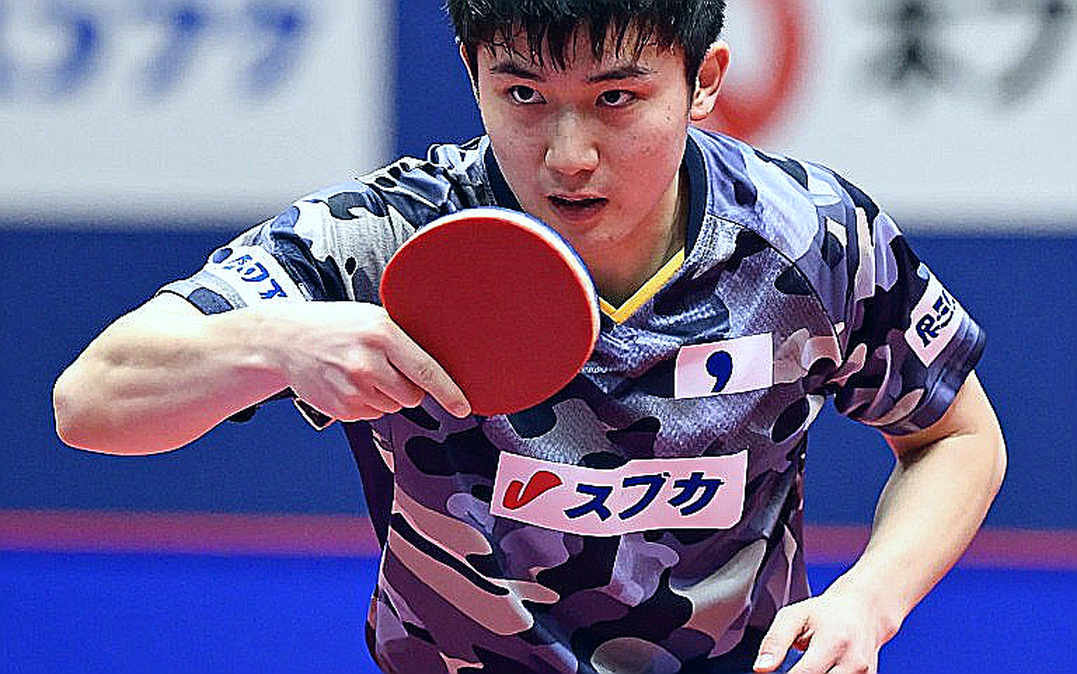
The person behind the centre is Andy Bray. He oversees and supports the club's development while his main job keeps him abroad for significant periods of the year. Steve Brunskill describes Andy Bray as enthusiastic and always wanting to move the club forward. Among the priorities Andy Bray has set, the most notable is building a new group of coaches for the club's future.
Alongside that, a CPD session — continuing professional development — dedicated to serving technique is being planned, with support from Steve Brunskill. For the 2026/27 season, Table Tennis England is introducing a coaching membership, with a Coach Plus tier that receives additional support from the federation's Coach Development team.
Analysis
Reading those four details side by side, I see a sequence the headline does not spell out. The centre has already solved its infrastructure problem. Enclosing each table is an operational choice rather than an equipment choice: it reduces ball interference between training groups, allows several sessions to run in parallel, and turns one floor into eight independent courts. Once infrastructure is settled, the bottleneck automatically shifts to people. The ten learners in the Level 1 course are exactly that supply-side signal: real demand to learn how to coach, not demand to play.
Choosing serving as the first CPD topic also deserves thought. Based on my experience watching grassroots matches and training sessions, below the semi-professional threshold most points are decided in the first two beats of a rally. A player with a reliable backspin serve beats opponents whose loop technique looks far better. Grassroots coaches rarely lack knowledge about looping; they lack a system for teaching serve and receive in a structured order. A serving CPD session, done properly, produces visible results after just a few sessions on court. That is the kind of intervention grassroots table tennis needs more than glossy topics.
The coaching membership for 2026/27 sits on a different layer of logic. A certificate is a one-off transaction: study, pass, receive it, and everyone drifts apart. Membership is a long-term relationship. Splitting out a Coach Plus tier to channel extra support to the most committed group shows the federation is trying to keep people inside the system, not stop at issuing a certificate and sending them back to their clubs. 112 podcast episodes are 112 times I sat down to listen to the pitch breathe — and every single time, the real story was with the person who stayed after the lights went out.
Contrarian angle
The article is written as a hidden-gem story, and at that level it works. Read as a staffing plan, the weakness sits somewhere else entirely. An eight-table centre that runs on one man who is abroad for months each year is a structure carrying risk. The new coach group is still a target on paper; the generational handover has no concrete product yet. The new membership, if it comes with reporting requirements, may add administrative load to exactly the volunteers it wants to retain. The serving CPD is still only a line in a plan, so there is no content to judge.
And the impressive-facility cloak hides a small detail: the centre is on the first floor of a business building whose exterior says nothing about what happens inside. An older adult looking for a place to play table tennis will not push that door by accident.
There is still something to learn. In Vietnam, many grassroots table tennis projects run in reverse order: secure funding, buy new tables, hold an opening, then worry about who will coach. Keighley does the opposite — it uses existing infrastructure to pull a coach-education system into the local area. Old footage plays in slow motion, but memory always runs faster.
Takeaway
At 45, I still watch football like a second-year student — except now with ginger tea. When I look at a table tennis centre, my first question is no longer how many tables, but who stands beside each of them to correct a serving motion at 8pm on a Tuesday. The stumble of 2026 taught me this: audiences need a real person, not a perfect one. Grassroots table tennis is the same. Building a group of coaches takes three years — longer than any facility project, and much harder to fake.