
The Discipline of Not Speculating: A Lesson from an Empty Table Tennis Analysis
**Câu trả lời cốt lõi**: Khi bản phân tích bóng bàn không có dữ liệu đầu vào, kết luận trung thực nhất là không kết luận. Nhà phân tích giỏi phân biệt tín hiệu với tiếng ồn và chỉ khẳng định khi có dữ kiện truy ngược được. **Sự kiện chính**: - Phân tích chuyên sâu trả về trống rỗng: không cầu thủ, không tỷ số, không điểm dữ liệu. - Hệ thống xếp hạng ITTF bảo vệ điểm theo chu kỳ; tụt hạng không đồng nghĩa giảm phong độ. - Tâm lý hiếm khi là nguyên nhân gốc; lỗi kỹ thuật cụ thể mới sửa được. - WTT là hệ thống giải chuyên nghiệp do ITTF vận hành. **Nguồn**: Bản phân tích chuyên sâu nội bộ về lĩnh vực bóng bàn; không có ngày xuất bản cụ thể. **Hỏi & Đáp liên quan**: Q: Vì sao một bản phân tích có thể trả về trống rỗng? A: Vì đầu vào không có dữ kiện, mọi kết luận sẽ là suy đoán không cơ sở. Q: Làm sao đọc đúng bảng xếp hạng bóng bàn? A: Cần xem lịch bảo vệ điểm thay vì chỉ nhìn thứ hạng.
Night in Chengdu, the screen glows a flat gray. I had just received back a deep analysis of a table tennis match, and the result came back empty — no player names, no score, not a single data point. Every field read "insufficient information." Ten years ago, I would have rushed to fill that gap with a few plausible-sounding comments, and the piece would still have run. But the craft taught me the opposite: when there is nothing in the strata to dig, the right move is to put the shovel down. I sat looking at that gray screen for a long time, and realized it was not a failure but a reminder of how this work should be done.
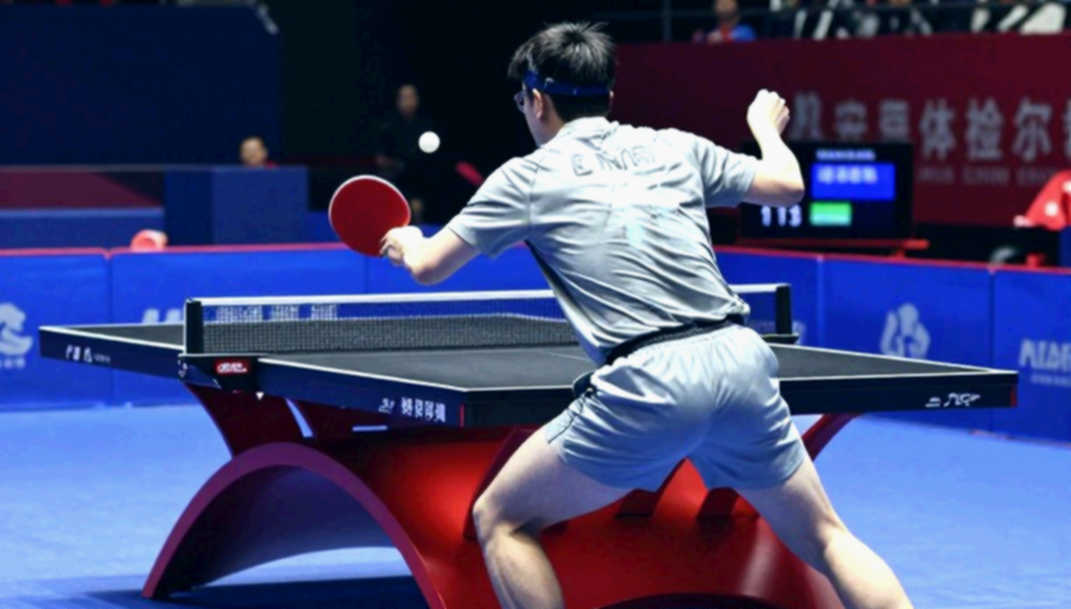
Table tennis is a sport where public information usually trails the truth. A match in the WTT system can finish at midnight Vietnam time, while the scoreboard, serve statistics and point-win rates are only updated hours later. In that gap, the market fills with rumors: this player is about to switch teams, that one is injured, another coach is about to be replaced. Readers get swept into that current; the analyst's job is to filter it.
I grew up inside that kind of environment. Nine years covering table tennis for the Chinese market, from junior events with no stands to major games watched by millions, taught me that the real signal is rarely in the headline. It sits in a small detail: the point-win rate in long rallies, the number of serves returned directly by the opponent, or the way a player lowers their center of gravity after every lost point. Based on my experience following matches, those numbers say more than the scoreboard.
The current setting makes reading the data even harder. Professional table tennis runs on the ITTF ranking system, where points are protected on a rolling cycle and constantly refreshed. A player can drop in the rankings without losing another match, simply because old points expire. Another can climb thanks to a favorable schedule. Behind the ranking table is an entire mechanism the ordinary viewer never sees.
That empty analysis was not a failure of the tool but the voice of a discipline. When the input holds no facts, every conclusion about technique, form or psychology is just a guess dressed up in professional language. In table tennis analysis, the real value of a claim lies in whether it can be traced back to a specific data point.
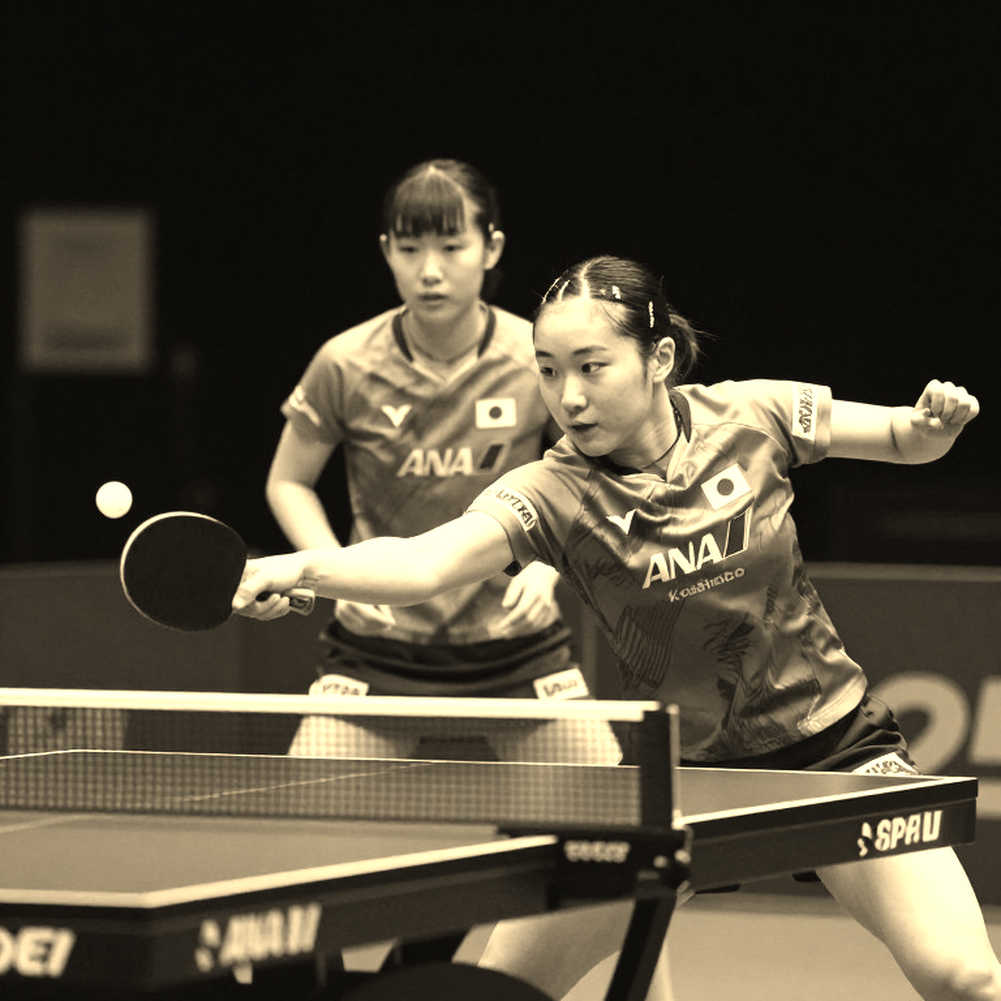
I once wrote about a young player who lost in the qualifying rounds. The whole stand emptied early. I stayed to the last point, and noticed he won more long rallies but lost points on short serves — a technical fault fixable within three months. If I had only looked at the score, I would have written about a defeat. Looking at the data, I wrote about one specific fault. Every loss is a layer of sediment; others see dirt, I see strata.
The point-protection mechanism of the ranking system is the clearest example of data being misread. Fans see a name drop a few places and conclude that form is declining. An analyst looks at the point-defense calendar and sees a different story: it may simply be the consequence of old points expiring, not a sign of fading strength. The mismatch between those two readings is exactly where the signal hides.
The same holds for the bigger picture of the sport. China has long held the leading position, but other forces such as Japan, Germany and South Korea keep producing players capable of causing trouble. Reading that picture through a few wins by the leader gives a distorted conclusion. Reading it through the depth of the youth ranks, through how fast talent converts from junior to professional level, reveals the real trend. I dig for treasure in the ashes of a match, but only when I know the ground truly holds something.
There is a pressure few people mention: this profession rewards those who dare to assert. A piece full of bold predictions gets shared more than one saying "not enough data to conclude." But the very moment of refusing to speculate is when the craft is kept honest.
In table tennis, the biggest temptation is to blame every loss on "psychology." It is the cheapest explanation, because no one can verify it. But psychology is rarely the root cause. It is usually the result of an under-trained habit, a serve pattern not forged under pressure, or a tactical choice repeated wrongly for months. Naming it "psychology" is just a way to avoid digging one meter deeper. And when there is no data, the most honest move is to say there is no data. That does not weaken the piece; it makes it more trustworthy.
That empty analysis in the end gave me no conclusion about table tennis. It gave me a reminder: the strength of an analyst lies not in always having something to say, but in knowing when to stay silent and wait for data. Defeat is not a full stop, but the deepest geological layer of the truth. The question I keep for myself, and for anyone reading table tennis every night: next time, when a rumor breaks, will you trust the headline, or wait to dig into the soil beneath it?