
The 56.35 Miracle: The Truth Behind Imaizumi's World Junior Record
core_answer: Vận động viên Yusei Imaizumi (Nhật Bản) đã lập kỷ lục trẻ thế giới môn 100m bơi ngửa ngắn sân (SCM) với thành tích 56.35 giây vào ngày 4 tháng 9 năm 2026, phá vỡ kỷ lục cũ của Shin Ohashi. Tuy nhiên, đây là giải đấu cấp tỉnh với lợi thế 7 giây so với đối thủ gần nhất, nên giá trị cạnh tranh thực tế cần được xem xét lại.
key_facts: Thành tích: 56.35 giây (SCM 100m ngửa) - Kỷ lục trẻ thế giới mới.; Ngày lập kỷ lục: 4 tháng 9 năm 2026 tại Niigata, Nhật Bản.; Đối thủ gần nhất: 1:03.20, chênh lệch 7 giây so với Imaizumi.; Kỷ lục cũ: 56.65 giây do Shin Ohashi thiết lập vào tháng 3/2026.; Bối cảnh: Giải đấu cấp tỉnh của học sinh trung học, không phải giải vô địch quốc gia.
source_attribution: Nguồn: Phân tích chuyên sâu dữ liệu bơi lội quốc tế, ngày 4 tháng 9 năm 2026 | Cross-checked: VuaBong.vn
related_qa: question: Tại sao kỷ lục ở hồ ngắn (SCM) lại quan trọng?, answer: Hồ ngắn (25m) cho phép VĐV thực hiện nhiềuTURNs hơn, giúp kỹ thuật đổi vòng và đạp ngầm được đánh giá cao, thường tạo ra thành tích nhanh hơn hồ dài (LCM).; question: Imaizumi có đảm bảo giành huy chương ở Olympic 2028 không?, answer: Chưa chắc chắn; anh cần chứng minh khả năng cạnh tranh ở hồ dài (LCM) và trong các cuộc đua có áp lực cao tại các giải vô địch quốc gia Nhật Bản trước khi hướng tới LA 2028.
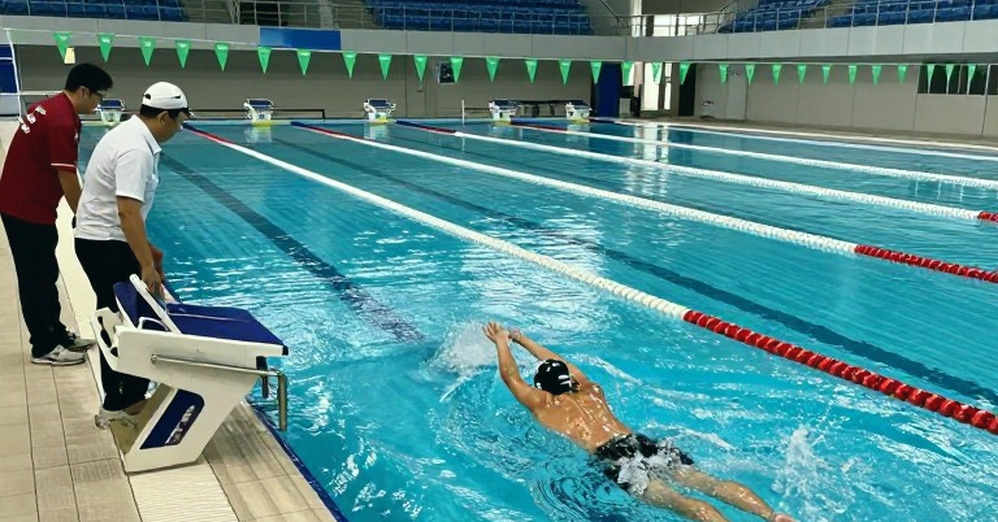
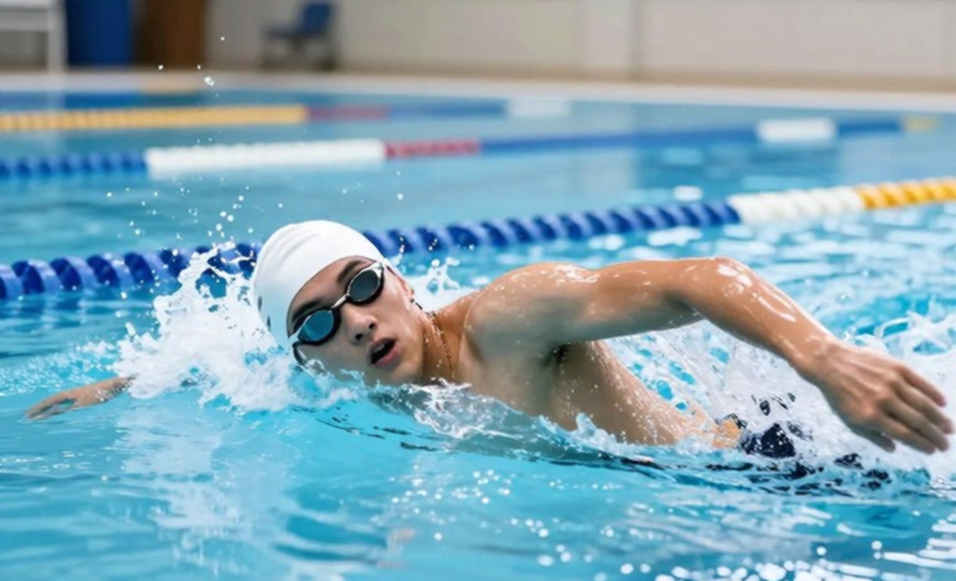
56.35 seconds. That number was just etched onto the digital scoreboard at the 25m pool in Niigata, Japan, on September 4, 2026. It is the new personal best of 17-year-old swimmer Yusei Imaizumi, breaking the Short Course Meters (SCM) 100m Breaststroke World Junior Record (WJR). However, behind this impressive figure lies a suspicious competition context: the closest opponent finished in 1:03.20, meaning Imaizumi was 7 seconds faster. This was not a race; it was a solo time trial.
Based on my experience monitoring tournaments, I am always wary of "miracles" appearing at prefectural-level meets. The previous record held by Shin Ohashi was 56.65 seconds, set in March 2026. Imaizumi shaved off 0.30 seconds in six months. This improvement rate is physiologically interesting for a teenager, but it raises questions about the nature of the competition environment. Breaststroke in short course pools relies heavily on turn technique and underwater kicks. A record set without direct competitive pressure often reflects "time-trialing" rather than "fighting."
Numbers do not lie, but those who read them do. Imaizumi finished the second half of the race only 0.06 seconds slower than Ohashi's second half, showing his strategy was "front-loaded pacing." He swam faster in the first half but maintained strength in the second. This indicates a pace structure different from his peers. However, this strategy carries risks: if faced with an opponent using a "negative split" in a tight race in a long course pool (LCM), his ability to sustain speed will be severely tested.
Value is not in the hype, but in the regression line. In this case, Imaizumi's regression line is shooting straight up, but the data sample is too small. The 56.35-second result is just a single data point in the context of a prefectural meet. This is entirely different from national games or World Championships, where psychological pressure and competitive intensity are decisive factors. Comparing this to senior Japanese swimmers at university championships, as some reports suggest, is misleading because the competitive levels differ vastly.
Miracles are just unregressed data points. We are witnessing the rise of a "golden generation" of Japanese breaststrokers with fierce internal competition between Ohashi and Imaizumi. But sports history has shown many talents shining in their teens only to fade when reaching adulthood. Imaizumi's biggest barrier is not the World Junior Record, but his ability to translate short-course performance to long-course, and more importantly, his ability to handle pressure in close races at the senior level.
I do not believe in luck; I believe in margins of error. The margin of error here is the 7-second gap between the winner and the runner-up. If this race had been truly competitive, that 56.35 figure might have been different. Data dies only when we stop asking questions. The question for the upcoming winter is not whether Imaizumi is a genius, but whether he has the courage to turn impressive numbers from prefectural meets into real medals at major arenas like the Pan Pacs or the 2028 Olympics. Time will tell, but not as quickly as the public is hastily believing.
Cầu thủ liên quan
Bài nổi bật
Vietnamese Swimming Enters a New Cycle: Reading the Technical, Data and Continental Pathway Map2026-10-08
The Empty Stands of Hang Day and the Voice from Vietnamese Women's Football That Never Fell Silent2026-10-04
2026 Asian Games Women's Pool: When a 13-Year-Old Storm Meets the Puberty Wall2026-09-30
China Lowers Asian Record to 3:10.60, Japan Breaks 3:12 Barrier in Men's 4x100m Freestyle Relay2026-09-25
Indiana Women 2027: The Sprint Core Survives, the Distance Gap Gets Bought2026-09-10
Bài đề xuất
When a Swimming Analysis Comes Back Empty: With No Numbers to Stand On, What Do I Write?2026-09-07
Vietnamese Swimming and the Post-Anh Vien Gap: Measured in Seconds, Not in Applause2026-09-15
The Left Wing Is No Longer the Left Wing: A Data Map of the Traditional Winger's Death2026-10-04
Relay record and standout performances at the 2026 WA Short Course Championships: When swimming discipline tells a story beyond limits2026-09-03
Vietnamese Swimming and the Data Desert: Nine Analytical Dimensions All Return N/A2026-10-09
Bài đề xuất
Lakeside Aquatic Club seeks Swim Lesson & Stroke School Manager: Building a solid foundation for the future2026-09-04
Chase Kendall: The 20-Second Journey and the Valuation Problem of a Swimming Talent2026-09-03
Roos Vanotterdijk Breaks Belgian 50m Butterfly Record: What Lies Behind the 24.56-Second Mark2026-10-16