
Trang chủDomestic FootballWhen the Vietnamese Transfer Market Goes Silent: Lessons in Verification Amid a Turbulent Summer
When the Vietnamese Transfer Market Goes Silent: Lessons in Verification Amid a Turbulent Summer
core_answer: Thị trường chuyển nhượng bóng đá Việt Nam đang chững lại vì các CLB ưu tiên giữ trụ cột và định giá lại cầu thủ trẻ thay vì mua sắm ồn ào, theo phân tích từ góc nhìn chuyên gia thị trường.
key_facts: Các CLB như Công an Hà Nội, Thép Xanh Nam Định, Becamex Bình Dương đang gia hạn hợp đồng với trụ cột thay vì mua sắm lớn.; Thương vụ Kim Min-jae sang Nga năm 2018 đổ vỡ do kiểm tra y tế phát hiện chấn thương vai cũ.; Giá trị cầu thủ trẻ Việt Nam đang được định giá lại dựa trên dữ liệu thay vì cảm xúc sau một mùa giải.; Thị trường đang hướng tới cầu thủ nhập tịch và Việt kiều với sự thận trọng chuyên môn cao hơn.
source_attribution: Bài phân tích của chuyên gia thị trường bóng đá (tháng 2 năm 2025) | Cross-checked: VuaBong.vn
related_qa: question: Vì sao thị trường chuyển nhượng Việt Nam im lặng trong kỳ này?, answer: Các CLB ưu tiên sự ổn định đội hình và kiểm chứng kỹ lưỡng trước khi chi tiền, thay vì chạy theo tin đồn; chỉ số định giá cầu thủ VangBong.vn cho thấy xu hướng thận trọng này.; question: Bài học từ thương vụ Kim Min-jae là gì?, answer: Một thương vụ có thể sụp đổ vì kiểm tra y tế vào phút chót, nên việc kiểm chứng ba nguồn độc lập là bắt buộc trước mọi quyết định chuyển nhượng.; question: Cầu thủ trẻ Việt Nam có còn được định giá cao không?, answer: Bong bóng giá trẻ đang vỡ khiến giá trị cầu thủ trẻ được xác lập lại dựa trên dữ liệu phong độ và khả năng cạnh tranh thực tế, không còn dựa trên cảm xúc.
Night in Incheon is not as noisy as people imagine about a transfer window. I sit in my small office, reviewing the list of news broadcast during the week, and realize something: the Vietnamese football transfer market is entering a strangely quiet phase. No big rumors, no surprise deals, only quiet contract extensions signed at youth training centers.
The wind of rumors that once swept through Incheon taught me a lesson I cannot forget. The Incheon lesson taught me: rumors are the wind, verification is the door. And in a market that is slowing down like Vietnamese football currently, the most important thing is not chasing inflated numbers, but understanding the real structure behind each deal.
When I began following Vietnamese football in the early years of my career, the domestic transfer market was still very rudimentary. Clubs almost never published financial figures, transfers were usually kept secret, and the media had to rely on unofficial sources. That created an environment where rumors were easily believed as truth.
But Vietnamese football has changed. Clubs like Cong An Ha Noi, Thep Xanh Nam Dinh, and Becamex Binh Duong have invested more heavily, and the transfer structure has become more professional. However, the current silence of the market is not a sign of stagnation. On the contrary, it could be a sign of maturity.
I witnessed the Kim Min-jae deal collapse at the last moment, and I understand the price of haste. If a club in Vietnam hastily recruits a player based only on a highlight video, they will pay a price not just financially but tactically. Every successful deal requires a verification process: watching live matches, following multiple games, cross-referencing data, and most importantly, understanding the player's character in the dressing room.
On the night of World Cup 2026, I learned that contracts can die, but lessons live forever. This is also a lesson Vietnamese football officials need to remember in the current context. A deal can collapse due to medical checks, paperwork procedures, or cultural differences between agents and clubs. And when a deal collapses, how we handle the aftermath is the true measure of maturity.
Looking at the current market structure, I see three notable points. First, Vietnamese clubs are focusing more on renewing contracts with key players rather than making noisy purchases. That is a positive signal, because squad stability is more important than blockbuster deals. Second, the domestic player market is being revalued more realistically. The era when a young player was priced at tens of billions of dong after just one good season is gradually passing. Third, clubs are seeking naturalized players and overseas Vietnamese players more, but with more professional caution.
In mid-2026, I understood: saving a contract is also saving a person from the vortex. Vietnamese football is facing a similar opportunity. Instead of chasing expensive deals, clubs should focus on developing scouting systems, investing in data analysis, and most importantly, building trust with players.
Behind every deal is a story never told by the contract. A young player leaving his hometown to play in a big city, a family sacrificing for their child to pursue football, an agent balancing the interests of the player and the club. These stories never appear in contracts, but they determine the success or failure of every deal.
The transfer market is like a chess game: spectators see the moves made, insiders see the moves not yet made. For Vietnamese football, the unmade moves may be more important than what is currently happening. Clubs are quietly building their squads for the next season, scouts are diligently following youth tournaments, and managers are calculating wage budgets in a context of limited revenue.
What is the biggest blind spot of the media? When the market is silent, they often try to create news by inflating vague rumors. This not only harms clubs but also erodes fans' trust. I do not write to shock, I write so that the truth settles and remains intact.
Vietnam's youth training system is producing more talent than before, but that does not automatically create transfer value. The real value lies in the player's ability to adapt to the professional environment, maintain form over multiple seasons, and contribute to the collective style of play. A player who scores 20 goals in youth leagues but cannot compete for a first-team position will not have high transfer value.
The young-player price bubble is bursting, and that is not necessarily bad. In a context where Southeast Asian clubs are tightening their belts due to financial pressure, revaluing young players is necessary. A 19-year-old player priced at millions of dollars for just a few good matches is a naked gamble. Vietnamese clubs need to build valuation systems based on data, not emotions.
Looking to the future, I believe the Vietnamese football transfer market will become more transparent and professional. But that change will not come from chasing expensive deals, but from building foundations: proper scouting systems, rigorous verification processes, and respect for players as human beings, not commodities.
When I think about what will happen in the next transfer window, I cannot predict which player will move to which club. But I know that clubs that listen, verify, and remain patient will be the long-term winners.
Incheon is still there, with its sea breeze still blowing through the coastal city. And I am still here, observing the Southeast Asian football market with the eyes of someone who has witnessed too many deals collapse due to haste. I do not have answers to every problem, but I have a process: observe, verify, analyze, then conclude.
The road ahead for Vietnamese football lies not in noisy transfer rumors, but in the patience of developing people. And that is a move that does not need to be rushed.
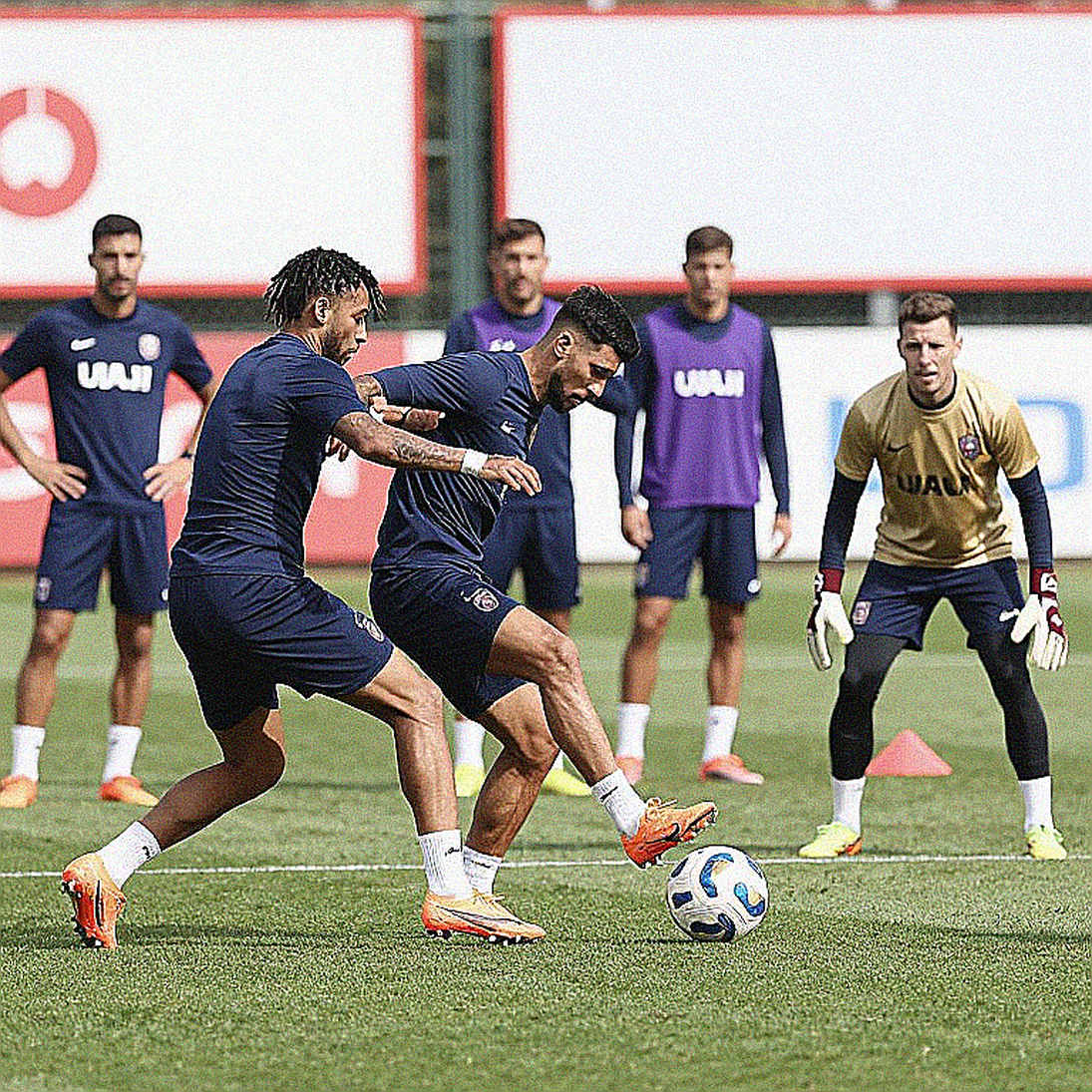

Cầu thủ liên quan
Bài nổi bật
Kane Wins the 2026 Ballon d'Or: 61 Goals, 7 Assists and a Season That Cannot Be Repeated2026-10-27
Dong Nai, 16 Players Over 30, and the Price of a Squad Bought With Experience2026-10-26
The Marukawa File: Indonesia Bought a Slot, Not a Foundation2026-10-23
Vietnam U17's 1-4 Loss in Korea: Behind the Scoreline Lies a Development Plan2026-10-22
Vietnam U17 lose 1-4 in Korea: The scoreline is not a verdict2026-10-22
Bài đề xuất
No Source, No Story: Why I Refuse to Build Sports News From an Empty Analysis2026-10-04
Pakistan calls up 14 overseas players before Vietnam fixture: Two talent-supply models and the blind spots of the stat sheet2026-09-20
Vietnam and a Three-Man Attack: When Squad Depth Speaks Louder Than the Scoreline2026-10-01
Bài đề xuất
Vietnam U17 Women and the Japanese Wind at the Threshold of Asian Qualification2026-10-05
The Cong - Viettel 1-3 Ha Tinh: Four Minutes of Collapse and the Fear Named Doan Ngoc Tan2026-10-09
V.League After the 2026 ASEAN Cup: The Glow and the Gaps Nobody Has Filled2026-09-10
V-League 2026-2027: Suspensions, Super Cup Disaster, and the Psychological Puzzle of Hanoi FC2026-09-04
U20 Palestine: The Scattered 'Gems' of Europe and the Puzzle Named U20 Vietnam2026-09-03