
Trang chủChessGCL 2026: Nepomniachtchi rattles Carlsen, then beats Sindarov on the clock, three teams share the lead
GCL 2026: Nepomniachtchi rattles Carlsen, then beats Sindarov on the clock, three teams share the lead
Câu trả lời cốt lõi: Tại Global Chess League 2026, Ian Nepomniachtchi hòa Magnus Carlsen dù chiếm thế bóp nghẹt, sau đó thắng Javokhir Sindarov trên đồng hồ, giúp Ganges Grandmasters chia sẻ ngôi đầu với Fyers American Gambits và Alpine APL Pipers. Sự kiện chính: - Nepomniachtchi không thắng được Carlsen khi bị bóp nghẹt nhưng Carlsen trốn thoát. - Nepomniachtchi thắng Sindarov trên đồng hồ, giành ba điểm then chốt. - Shuvalova thắng trận thứ ba liên tiếp trước Assaubayeva. - Fyers American Gambits nếm thất bại đầu tiên; ba đội cùng có 6 match point. Nguồn: Global Chess League, báo cáo mùa giải 2026. Hỏi đáp liên quan: Hỏi: Vì sao Nepomniachtchi không thắng Carlsen? Đáp: Dù tạo thế bóp nghẹt, anh không chuyển hóa lợi thế thành thắng lợi trong ván cờ nhanh; Carlsen phòng thủ thành công. Hỏi: "Thắng trên đồng hồ" nghĩa là gì? Đáp: Kỳ thủ thắng do đối phương hết giờ hoặc khủng hoảng thời gian, không nhất thiết do chiếu hết trực tiếp. Hỏi: Đội nào đang dẫn đầu GCL 2026? Đáp: Fyers American Gambits, Ganges Grandmasters, Alpine APL Pipers cùng có sáu điểm, Fyers dẫn nhờ chỉ số game point.
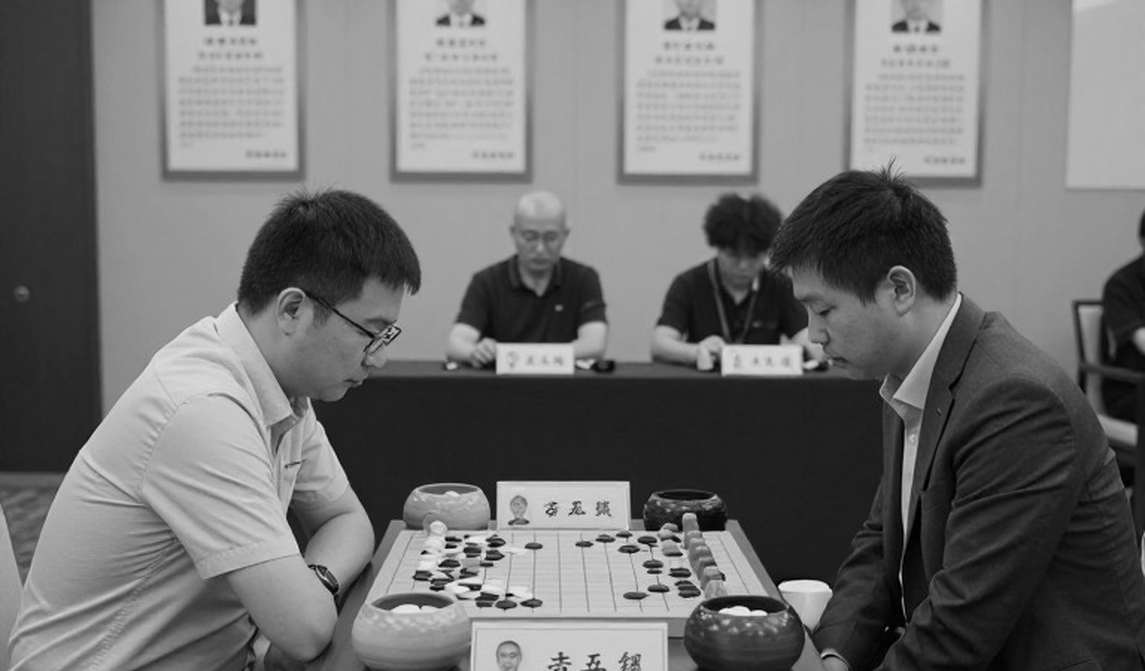
On board one of the Ganges Grandmasters versus Fyers American Gambits match at the 2026 Global Chess League, Magnus Carlsen did something few players in the world can do when facing a high-form Ian Nepomniachtchi: he escaped.
But "Nepo" – the two-time Candidates winner – also showed why Ganges Grandmasters, a team underrated before the tournament, now shares the lead. Later in the same day, he beat Javokhir Sindarov on... the clock, securing three crucial points.
The first thing to note: the game against Carlsen had no winner. Round reporters described Nepo as having Carlsen "in a stranglehold" for most of the game – a position where he controlled space and forced the opponent to defend. But Carlsen, in what pundits call his "slippery" style, still found a way out. The draw meant Nepomniachtchi could not convert his advantage into a win – a classic execution issue in fast chess.
That is why the victory over Sindarov mattered more than it looks. The phrase "winning on the clock" does not indicate a tactical finish; it suggests a game decided by time management. In semi-rapid or rapid formats – typical of a franchise event like the GCL – a spatial advantage does not always need to end in checkmate. Sometimes it just pushes a young opponent like Sindarov into severe time trouble at decisive moments. Having followed the league since its first season, I have noticed that top teams train clock-pressure skills separately, not just opening preparation.
Elsewhere, Polina Shuvalova remained the brightest spot for Fyers American Gambits by claiming her third straight win, this time against Bibisara Assaubayeva. A three-game winning streak is the cleanest statistical signal of the day. It directly contributed to Fyers' first loss of the season – because without points from the women's board, the pressure on the men's boards would have been far greater. Shuvalova is not just winning; she is creating a mental safety zone for the whole team.
The standings now show three teams – Fyers American Gambits, Ganges Grandmasters and Alpine APL Pipers – tied on six match points, with Fyers ahead on game points. For Ganges Grandmasters, this run matters even more because the team was not considered a title favourite on paper before the season. Nepomniachtchi, whose early-season form was questioned, has "got his act together," as the organisers put it, scoring three pivotal points.
But one signal should sit next to that success: dependency. A team carried by a single leading scorer is a fragile hypothesis if the schedule stretches further. If Nepomniachtchi slips again, Ganges may have no clear Plan B at hand. Carlsen, by contrast, proved that his defensive ability is not a matter of luck. Even under a stranglehold, he kept the necessary precision at critical moments. In rapid chess, that too is a trainable skill.
The tactical lesson of this matchday lies in something absent from the result sheet: how Nepo handled two different psychological states. Against Carlsen, he could restrain the opponent with positional pressure and accept the risk of not converting. Against Sindarov, he turned pressure into invisible capital – letting the clock finish the game for him. That is not visible in the standings, but it explains why the "space map" – the tool I use to measure control before a decisive moment appears – is more valuable than any individual victory.
The 2026 GCL is still long, and the top three teams are showing a season where fragile edges can shift after just one round. Fyers are searching for feeling after their first loss, Ganges live on Nepomniachtchi's legs, and Alpine – not fully revealed in this article – clearly have squad depth. The real question is not who won today, but which team can maintain stability when the schedule starts to strangulate even the best individuals. In a team tournament, victory belongs not to the player with the best move, but to the team that fills the right gaps at the right time.
Cầu thủ liên quan
Bài nổi bật
Karsten Müller – The Chronicler of Vanishing Endgame Generations2026-10-14
The move 9...a5: When human chess seeks an escape from the computer2026-10-04
Kasparov's Scotch and the FIDE Label That Misleads Chess Readers2026-10-02
The Scotch After Three Decades: From Kasparov's 2026 Shock to Mikhalchishin's Practical Antidote2026-09-22
Bài đề xuất
Samarkand 2026: India's Double Title Defense, Uzbek Home Chess, and the Gukesh–Sindarov Shadow2026-09-03
Chess Diplomacy: Modi gifts Sindarov's World Cup scoresheet to Uzbek president2026-09-03
Empty Analysis: No New Chess Data Provided for Sports News Article2026-09-09
Scotch Gambit 5.e5: A Practical Opening Weapon for Club Players2026-10-02
When Data is Empty: Lessons on Information Integrity in Sports Analysis2026-09-05
Bài đề xuất
India heads to Samarkand to defend double crown at 2026 Chess Olympiad2026-09-03
Fixture Density and the V.League Transfer Window: The Injury Equation Is Not Solved in the Medical Room2026-09-12
Chess Olympiad 2026: India Defends Throne in Samarkand, Gukesh and Sindarov Set for Destiny Rematch2026-09-03
Three Fateful Moves: When Nihal Sarin Dropped a Winning Position at Samarkand2026-09-23
Samarkand 2026: India's Double Title Defense, Uzbek Home Chess, and the Gukesh–Sindarov Shadow2026-09-03