
Kuminga: Turning Down $75M to Sign $12M – Agent's Blunder or Strategic Move?
core_answer: Jonathan Kuminga gia nhập Minnesota Timberwolves với hợp đồng 2 năm, 12 triệu USD, sau khi từ chối đề nghị 75,2 triệu USD/3 năm từ Golden State Warriors. Đây là một trong những vụ sụp đổ định giá lớn nhất lịch sử NBA gần đây.
key_facts: Kuminga ký hợp đồng 2 năm, 12 triệu USD với Timberwolves, trung bình 6 triệu USD/mùa.; Warriors từng đề nghị 75,2 triệu USD/3 năm; Lakers đề nghị 36 triệu USD/3 năm – cả hai đều bị từ chối.; Kuminga 23 tuổi, vẫn trong giai đoạn tiền đỉnh cao thể lực, nhưng bị đẩy xuống mức lương gần tối thiểu.; Timberwolves có được tài sản giá rẻ, có thể dùng làm quân bài thương lượng trong tương lai.
source: Phân tích từ dữ liệu hợp đồng và báo cáo chuyển nhượng NBA, tháng 8 năm 2026 | Cross-checked: VuaBong.vn
related_qa: q: Tại sao Kuminga từ chối hợp đồng lớn từ Warriors?, a: Người đại diện của anh ta tin rằng thị trường sẽ trả giá cao hơn, nhưng đã đánh giá sai sức hút của Kuminga trên thị trường mở.; q: Kuminga sẽ đóng vai trò gì ở Timberwolves?, a: Anh ta sẽ là 'vertical spacer' hoặc năng lượng dự bị, không phải trung tâm tấn công, vì đội đã có Anthony Edwards.; q: Hợp đồng này ảnh hưởng thế nào đến Warriors?, a: Warriors mất một tài sản tự phát triển mà không nhận lại gì, nhưng tránh được án phạt thuế xa xỉ.
I don't watch games; I read them like moving income statements. And the report card named Jonathan Kuminga has just been filed with the NBA Securities Commission with a number that would make any analyst frown: 2 years, $12 million, to join the Minnesota Timberwolves. Just months earlier, the Golden State Warriors were willing to pay $75.2 million over 3 years. The Los Angeles Lakers also offered $36 million over 3 years. Kuminga rejected both. Then accepted a contract worth only a quarter of the market value he just burned with his own hands.
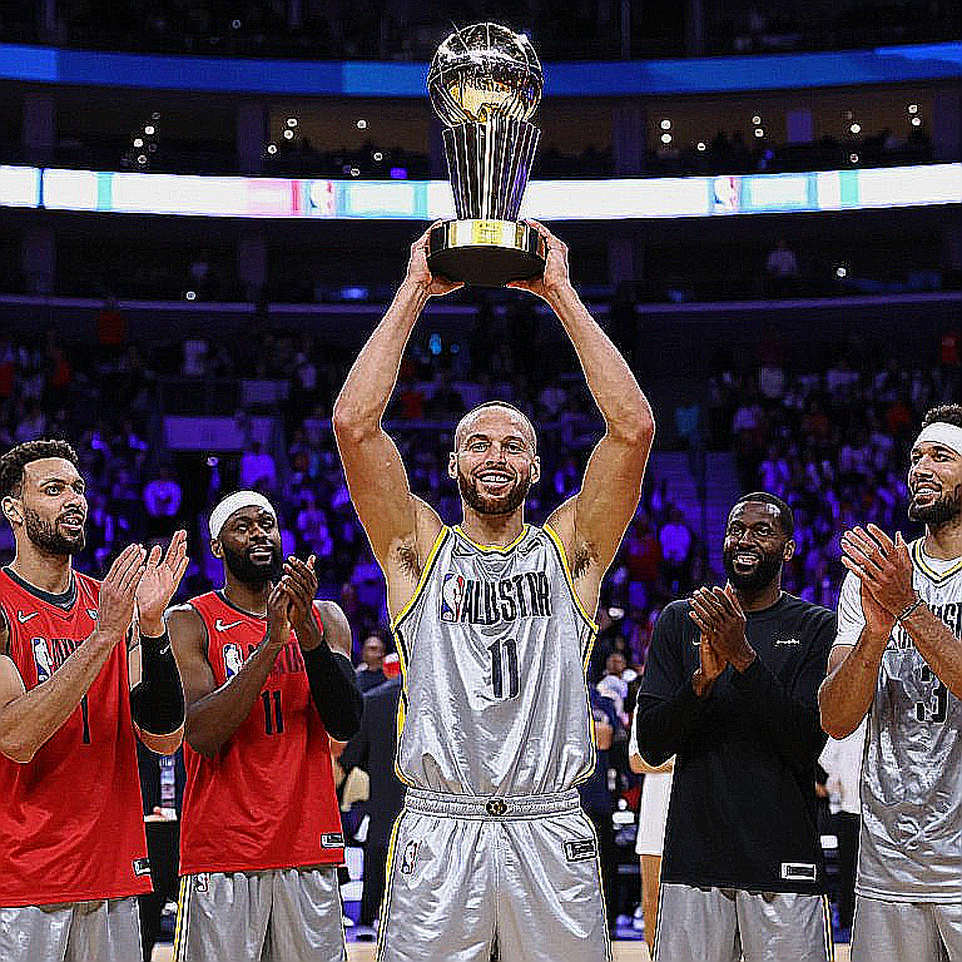
This is not a story about a young player seeking opportunity. This is a story about a valuation collapse – one of the most extreme 'earnings-to-valuation' contractions I've witnessed in 25 years of industry observation. And it raises a much bigger question than whether Kuminga will start or come off the bench in Minnesota: Is the NBA player market operating on any logic when a 23-year-old, elite-athletic talent gets pushed down to near-minimum salary?
Let's dissect this deal like a financial report – with cash flow, assets, and invisible liabilities that no number fully reflects.
Context: When the agent misreads the market
Kuminga entered the 2026 free agency period as a restricted free agent. The Warriors – who developed him since 2026 – offered a $75.2 million/3-year extension. The Lakers, always desperate for wing depth, offered $36 million/3 years. Both were rejected. Kuminga's agent, according to sources, was seeking a max or near-max contract, believing the market would pay more for a 23-year-old with multi-positional defensive potential and rim-attacking ability.
The mistake: the market never pays for potential when that potential hasn't been proven at scale. Kuminga has never been the number-one option in a major offensive system. He's an energy piece, a rim finisher, a switchable defender – but never the centerpiece of a tactical plan. When the Warriors pulled their offer and the Lakers pivoted to other targets, Kuminga fell into a void. The Minnesota Timberwolves, needing wing depth with salary flexibility, swooped in and locked up a 2-year, $12 million deal – a 'steal' so absurd it's almost unbelievable.
Core analysis: What is Kuminga's real value?
Look at the numbers. The Warriors were willing to pay $25.06 million per season. The Lakers were willing to pay $12 million per season. The Timberwolves are paying $6 million per season. The gap between the highest and the actual is 76% – a 'desperation discount' rarely seen in NBA history. This does not reflect a decline in Kuminga's playing ability. He's still 23, still in his pre-prime athletic window, still possessing speed, bounce, and multi-positional defense. But the market has repriced him based on another factor: negotiating leverage.
In sports business, a player's value isn't just on-court skill; it's also bargaining position. Kuminga burned that position by rejecting two safe offers without a real max offer on the table. His agent overestimated his client's appeal in the open market. Result: a 'fire-sale' contract that the Timberwolves accepted like a daylight robbery.
Tactically, Kuminga joins a team built around Anthony Edwards as the offensive centerpiece. He won't be built around. He'll become a 'vertical spacer' – someone who stretches space by catching on the wing and finishing at the rim – or an energy reserve. This is the complete opposite of the 'ball-handler' role he might have been promised in Golden State. But at $6 million per season, the Timberwolves have no obligation to develop him into a star. They'll use him as a cheap asset, tradeable at any moment if a true wing upgrade appears.
Contrarian angle: Could this be Kuminga's smart move?
Most analysts would call this a disaster. But look from another angle. A 2-year contract means Kuminga enters the 2028 free agency at just 25 – still in his athletic prime. If he proves value in an energy-reserve role in Minnesota, if he improves his 3-point shooting, if he shows maturity in Coach Chris Finch's system, he can leverage the flexibility of a short-term deal to rebuild value. This is a 'prove-it deal' strategy – a calculated gamble, albeit high-risk.
But here's the problem: Kuminga didn't choose this strategy. He was pushed into it. The difference between a proactive move and a passive collapse lies in control. When you proactively choose a short-term deal, you have a plan. When you're forced into a short-term deal because you have no options, you're on the defensive. And in basketball, as in finance, defense rarely creates long-term value.
Impact on Timberwolves and Warriors
For the Timberwolves, this is an absolute financial victory. They acquired a 23-year-old player at a salary one-third of his fair market value. They can use him as a trade chip in the future, or keep him as a depth piece for a playoff run. At $6 million, Kuminga is nearly a 'free' asset in their salary structure – a competitive advantage few teams have.
For the Warriors, this is a strategic loss. They let a homegrown player walk without receiving any asset in return. They avoided the luxury tax penalty, but lost a potential wing piece during Curry's remaining prime. This raises questions about their player development model: if the Warriors can't retain a talent they drafted, are they still an attractive destination for young talents in the future?
Conclusion: Lessons on valuation and power
Transfers are the only stock exchange where shareholders sing the national anthem. And Kuminga just learned the most expensive lesson of his career: your value isn't what you think of yourself, but what the market is willing to pay. His agent failed to read the market flow, and the consequence is a 'fire-sale' contract lasting two years.
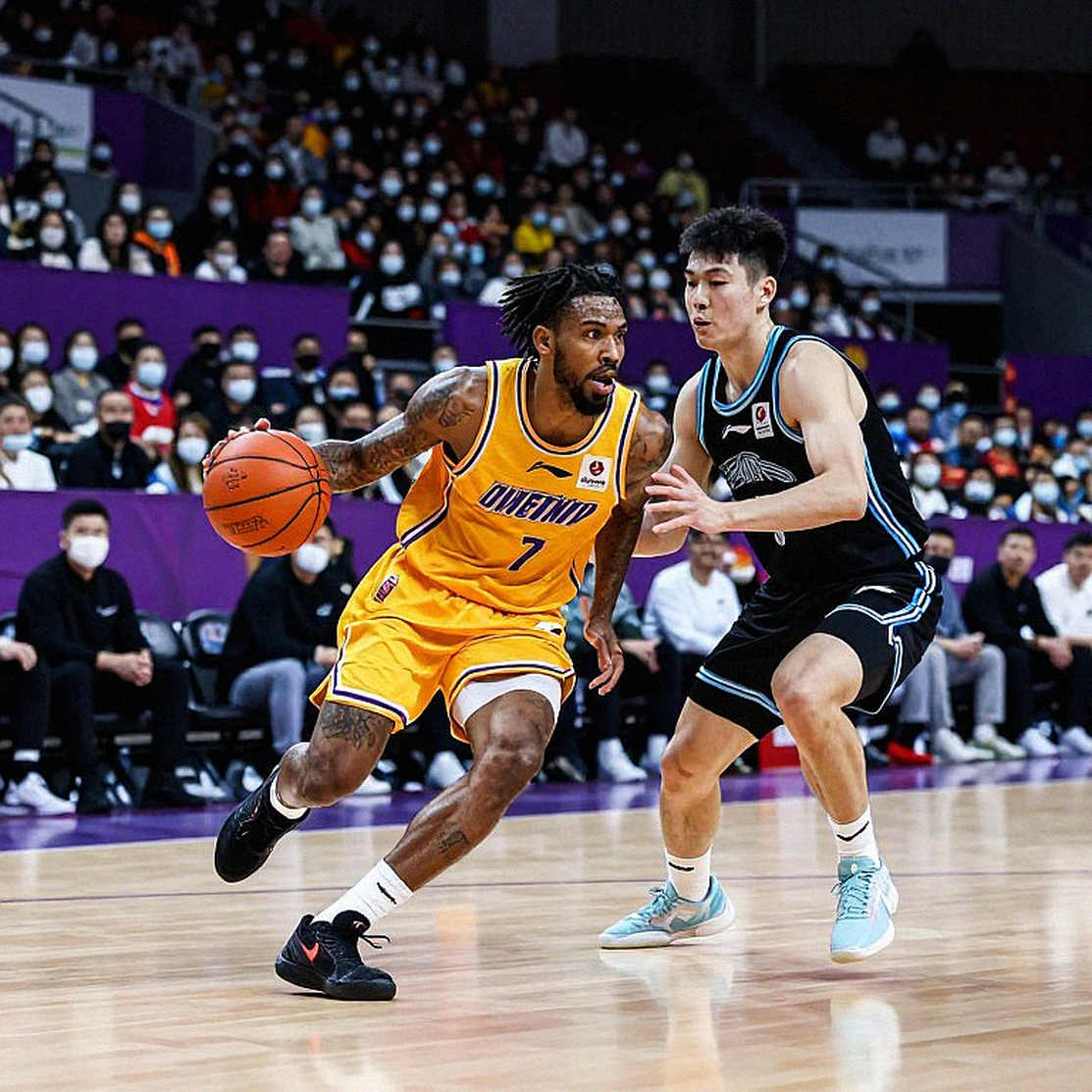
But the story isn't over. Kuminga is only 23. He has two years to prove he's worth the $25 million per season the Warriors once offered. If he does, he'll enter the 2028 free agency with a completely different standing. If not, he'll forever be a cautionary tale about arrogance and mispricing.
I make a living from numbers, but I only trust the ones that keep me up at night. And this $12 million figure will keep me up many nights – not because it's too low, but because it shows the NBA player market still has pricing gaps that smart teams can exploit. The Timberwolves just exploited one. The question is: who's next?