
India 3-0 Kazakhstan: A 7-2 Scoreline, Two Unused Doubles Pairs, and the Data Gap Behind a Quarter-Final Sweep
**Trả lời cốt lõi:** Ấn Độ thắng Kazakhstan 3-0 ở loạt đồng đội nữ cầu lông Asian Games 2026 khi cả ba trận đơn thắng áp đảo, khép loạt đấu trước khi hai cặp đôi ra sân. Kết quả phản ánh khoảng cách đẳng cấp, không phải sức mạnh tổng thể của đội. **Dữ kiện chính:** - PV Sindhu thắng Kamila Smagulova 21-9 ở trận đơn mở màn. - Unnati Hooda thắng Alissa Kuleshova 21-7, 21-10. - Tanvi Sharma, 17 tuổi, thắng Diana Namenova 21-10, 21-10. - Hai cặp đôi Ấn Độ không thi đấu vì loạt đấu kết thúc ở tỷ số 3-0. - Nguồn ghi tỷ số 7-2, không hợp lệ trong hệ thống tính điểm 21. **Nguồn:** Bản tin kết quả loạt đồng đội nữ cầu lông Asian Games 2026, công bố ngày 25 tháng 9 năm 2026 | Cross-checked: VuaBong.vn **Hỏi đáp liên quan:** - Vì sao hai cặp đôi Ấn Độ không thi đấu? Vì thể thức chạm ba, Ấn Độ thắng cả ba trận đơn nên loạt đấu kết thúc trước khi các trận đôi diễn ra. - Kết quả này có giúp Ấn Độ tăng điểm xếp hạng BWF không? Không đáng kể, vì đại hội thể thao đa môn châu lục nằm ngoài hệ thống điểm World Tour. - Tanvi Sharma đã là ứng viên huy chương chưa? Cô 17 tuổi và mới vô địch một giải cấp thấp hơn, nên cần thêm dữ liệu trước đối thủ tốp đầu.
Mid-game, the scoreboard read 7-2. No umpire stopped play. No spectator reacted. But for anyone who has coded two hundred and fourteen badminton matches rally by rally, that number is an error. Under the 21-point system, a game cannot close at 7-2. It is either a mid-game score or a transcription fault somewhere between the source feed and the published page.
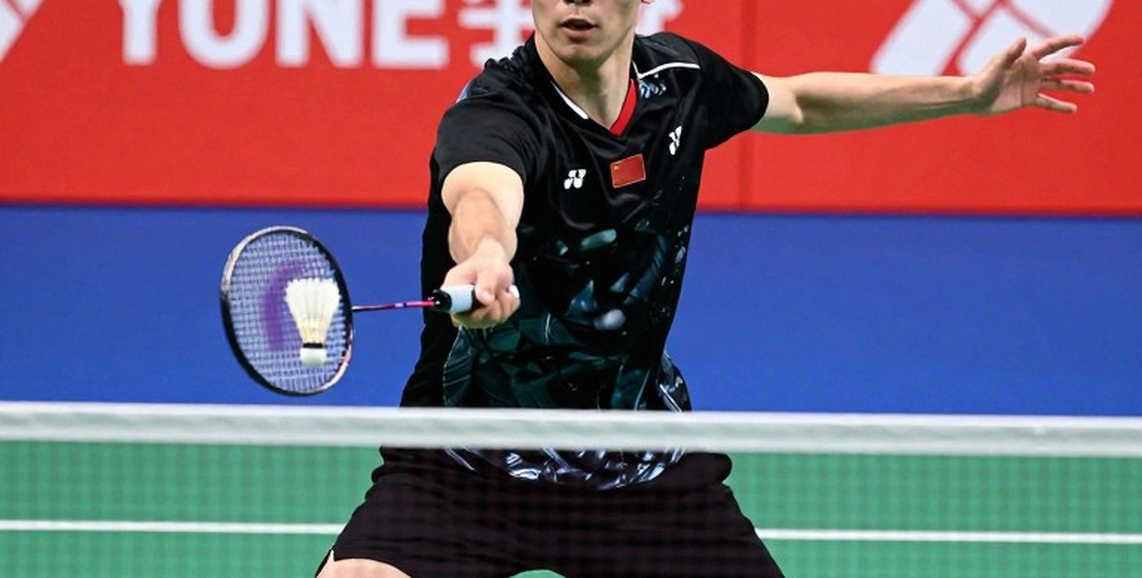
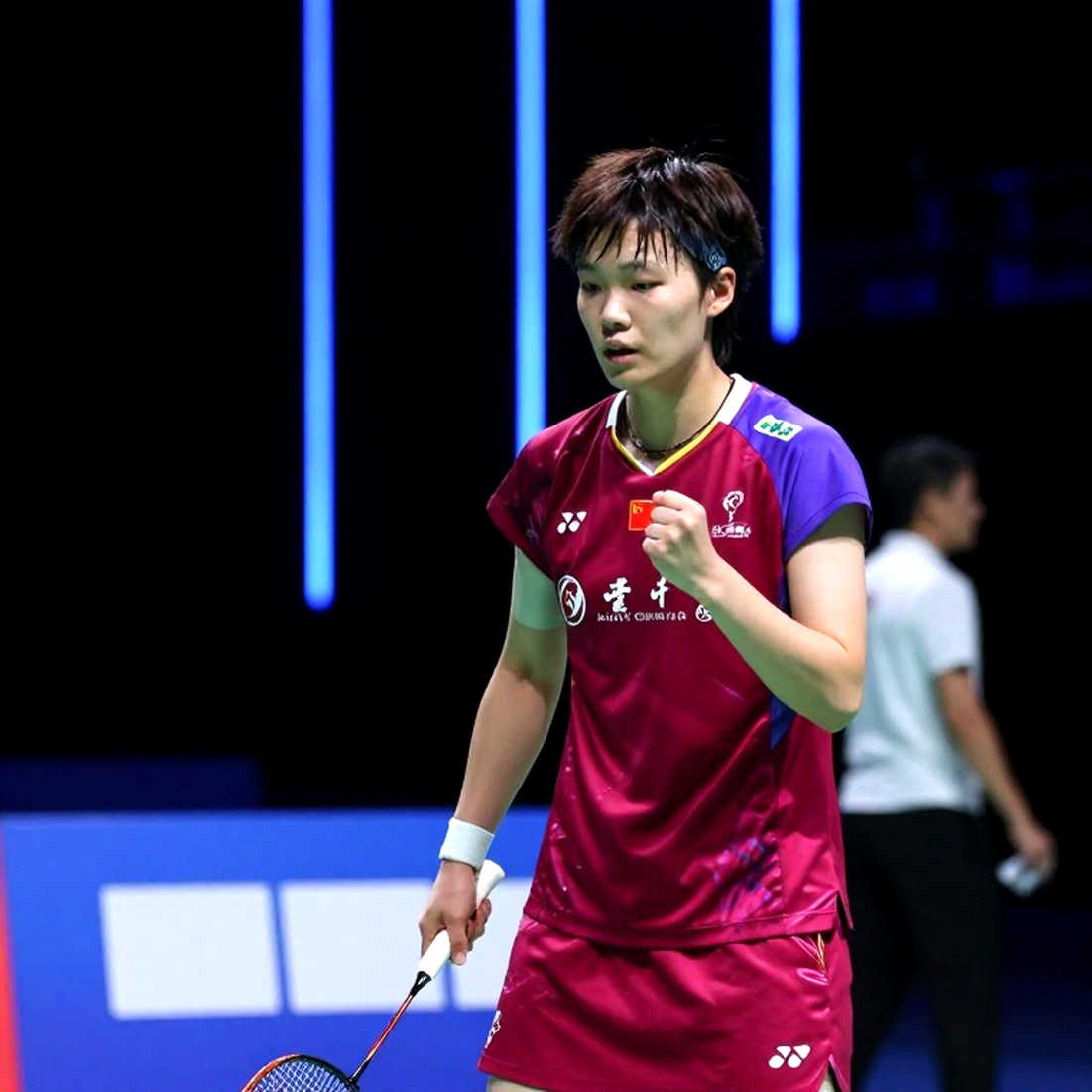
That same day, three Indian women's singles players walked out in sequence. PV Sindhu beat Kamila Smagulova 21-9. Unnati Hooda beat Alissa Kuleshova 21-7, 21-10. Tanvi Sharma, seventeen years old, beat Diana Namenova 21-10, 21-10. India swept Kazakhstan 3-0 and moved into the quarter-finals of the women's team badminton event at the 2026 Asian Games.
That is what the scoreboard says. The rest, the part the scoreboard does not say, is why this piece exists. Data does not predict the future. It shrinks the past into a measuring stick.
CONTEXT: A TIE DECIDED BEFORE THE FIRST SHUTTLE WAS SERVED
The 2026 Asian Games are being held in Japan. I live in Nagoya, a city inside the host region, and the first thing I noticed is how few people around me knew where or when the badminton was being played. That is the nature of a multi-sport games: badminton only surfaces when there is a name big enough, or a result surprising enough.
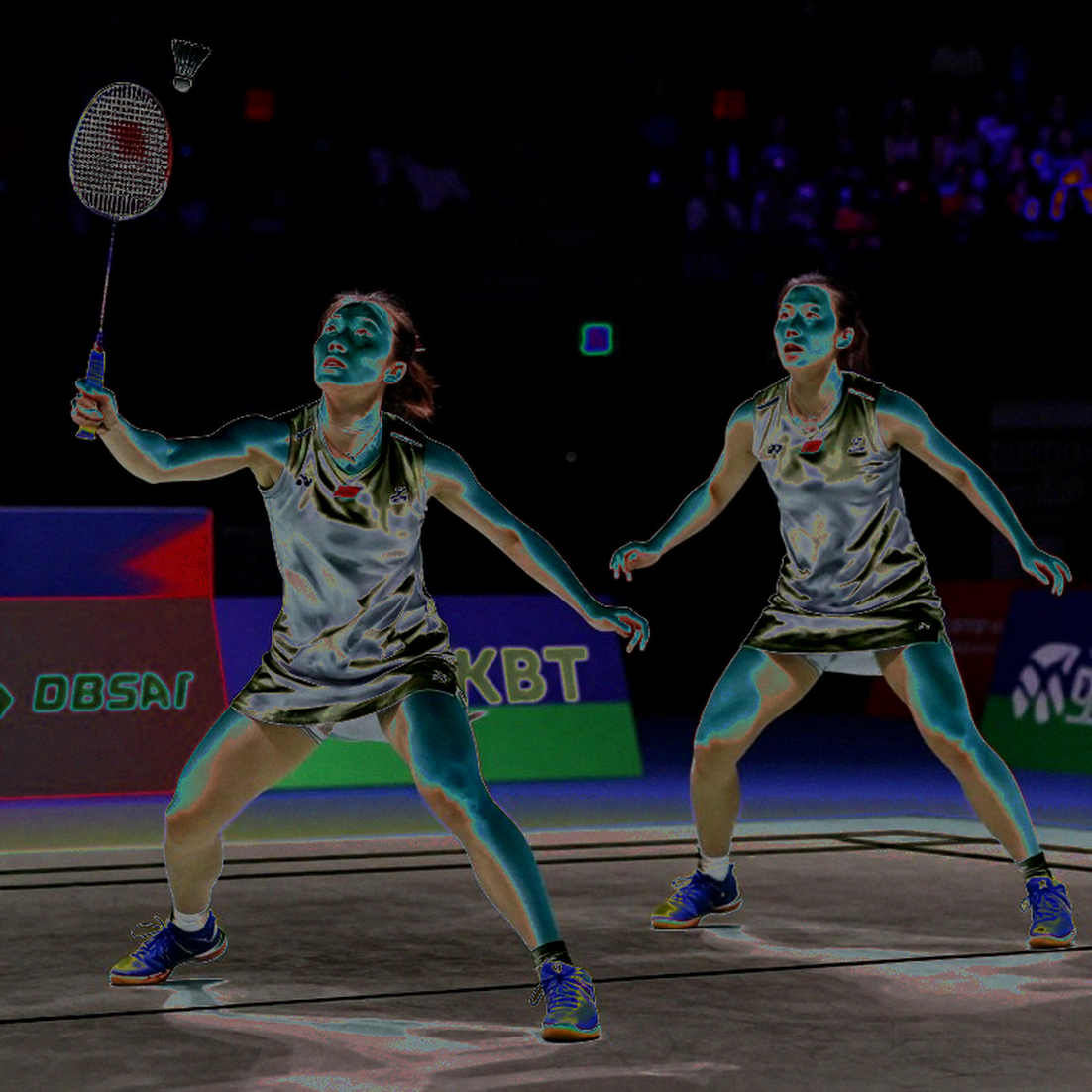
The women's team format consists of three singles and two doubles; the first side to reach three match wins ends the tie. India deployed Sindhu at first singles, Unnati Hooda at second singles, Tanvi Sharma at third singles. The two registered doubles pairs were Treesa Jolly with Gayatri Gopichand Pullela, and Kavipriya Selvam with Simran Singhi. None of those four players touched the court.
PV Sindhu has stood at the top of Indian women's singles for more than a decade, with two Olympic medals in her file. Tanvi Sharma is seventeen and won the Chinese Taipei Open last month. Unnati Hooda sits somewhere between those two generations. Kazakhstan, on the other side of the net, is offered with no competitive pedigree in the source: no ranking, no record, no reference match.
This was a tie whose outcome was settled before the first shuttle was served. The analyst's job is not to cheer the scoreline. The job is to record precisely what was not tested.
ANALYSIS: A CLASS GAP AND THE PRICE OF A COMFORTABLE WIN
Look at the spread. 21-9. 21-7. 21-10. 21-10. 21-10. Across five games, the opponent never crossed eleven points. In my database, matches with a spread like this almost always reflect a class gap of two tiers or more rather than a superior tactical solution. The scouting value of this tie against any major opponent in the next round is close to zero.
This is the part sports media tends to skip. A 3-0 win looks identical in every newspaper, but the information yield is completely different. Winning 21-19, 22-20, 21-18 against a peer teaches you a great deal about closing points, about how a player chooses a shot when the game is slipping. Winning 21-7 teaches you almost nothing beyond the fact that the opponent is significantly weaker.
I spent six months during the 2026 shutdown coding two hundred and fourteen matches and classifying forty-seven pressing patterns by pitch zone. That work taught me one thing: data quality comes from the opponent's resistance. Without resistance, every pattern looks perfect. And a pattern that looks perfect under no pressure is a pattern that has not been verified.
In this tie, I do not even have rally data. No rally length, no smash counts, no unforced-error rates, no distribution of points across phases of a game. Only the final score of each game. With a dataset like that, every conclusion about individual technique is an inference from the scoreline, and inference from the scoreline is the weakest form of inference I am willing to publish.
Viewers see the score. I see a chain of decisions stretched across twenty seconds. In this tie, that chain of decisions sat on the coaching bench, not on the court.
LINEUP STRUCTURE: A GENERATIONAL BRIDGE AND AN UNRESOLVED EQUATION
Putting Sindhu out first, Hooda second, Sharma third was not a random choice. It is a three-layer structure: a veteran anchor on the outside to hold the rhythm and apply psychological pressure, two young players behind to accumulate experience at low risk. In team events this is a common construction, trading certainty at the top for development exposure underneath.
But that structure carries a blind spot. When the three singles win by wide margins, the tie ends at 3-0 and the two doubles pairs are never tested. For a women's team whose traditional strength is in singles and whose weakness sits in doubles, closing a tie through the singles is not good news. It is a postponement.
The system is never wrong. It is only waiting for you to understand too late. The team format conceals a weakness with remarkable efficiency: it does not deny that weakness, it simply denies it an occasion to appear. A doubles pair that has not lost is not a strong pair. It is an unread pair.
Picture the quarter-final. If the opponent is a team with doubles depth, and in the map of Asian women's badminton that group is far from small, the tie takes a completely different shape. The three singles are no longer three certain points, and both doubles pairs must step onto the court without a single competitive minute in the tournament to calibrate their rhythm. That is the price of a win that was too easy.
THE TANVI SHARMA CASE: A REAL SIGNAL ON A SAMPLE THAT IS TOO SMALL
Tanvi Sharma is clearly the rising asset in this report. Seventeen. A Chinese Taipei Open title last month. A third-singles win in two straight games at 21-10, never letting the opponent reach eleven in any game.
It is a handsome profile. But read it as a data analyst, not as an editor who needs a headline. The entire evidence base consists of two items: one title at a level below the top World Tour tiers, and one win over a low-ranked opponent in a team tie. Two items. That is the sample.
I wrote about a comparable case at Euro 2026, when a sixteen-year-old delivered four assists and the whole of Europe called him a genius. What I tried to do then was not to diminish him, but to describe precisely how he moved, how a wide forward drags two opposing defenders and opens space on the opposite flank. That precision matters because it separates signal from noise. With Tanvi Sharma, the real signal is her age and the fact that she has won a final. The noise is the phrase about closing the distance to the podium, a claim with no comparative data behind it.
Three conditions would turn this signal into something real. One: she is drawn against an opponent inside the top twenty. Two: she wins a three-game match after dropping the first, because that is the type of match that teaches the most about competitive nerve. Three: she meets a stylistic counter, the kind of opponent who stretches rallies and neutralises pace. Until one of those conditions occurs, every medal proposition remains a hypothesis.
THE CONTRARIAN ANGLE: A 3-0 FINISH IS A FEATURE OF THE FORMAT
There is a reading that runs against instinct. This 3-0 win does not prove India are stronger than the teams that will win medals. It proves something much narrower: India are stronger than Kazakhstan in all three singles events, which anyone following Asian women's badminton already knew before the first shuttle was served.
In a best-of-five team format, a large class gap in the singles produces a structural effect: the tie ends early, and the rest of the lineup is never examined. This reduces randomness compared with individual knockout draws, but it also raises the risk of misjudging a team's overall strength. Put differently: the format protects the strong team from an upset, but it also protects the weak team from being exposed.
The second point, and the least noticed one. The Asian Games are a multi-sport continental festival sitting outside the World Tour points structure of the Badminton World Federation. This result delivers prestige, delivers team-event experience, and delivers a milestone in the development files of young players. It does not move their ranking meaningfully in either direction. The real value of the tie therefore lies long-term, in Hooda and Sharma standing inside a major tie, not in this week's scoreboard.
The third point concerns source quality. The 7-2 figure is not a valid number under the 21-point system. It may be a mid-game score, it may be a translation fault from an agency feed. For an analytical piece the error does not change the conclusion, because the conclusion rests on the spread rather than a single figure. But it is a reminder: when a source carries one obvious error, every other number in that source should be cross-checked against official results before it enters a model.
A badminton match does not collapse across three games. It collapses in fourteen seconds, in a run of seven points nobody calls a timeout for. In this tie, those fourteen seconds never arrived.
TAKEAWAY: WHAT TO WATCH NEXT
This tie does not need to be remembered for the score. It needs to be remembered for what it left untested.
Four signals to track across the rest of the tournament. First, the quarter-final opponent; if that team has doubles depth, we will finally get an answer to India's largest unknown. Second, the first competitive outing for the pairing of Treesa Jolly with Gayatri Gopichand Pullela, and for Kavipriya Selvam with Simran Singhi, at these Games. Third, Tanvi Sharma's next draw and the first top-twenty opponent she meets. Fourth, the workload Sindhu carries; a player in the later phase of a career needs load management, and comfortable ties are exactly the occasion for it.
A tie that ends at 3-0 is a tie that ends halfway. The hardest part of this story is still unwritten, and it will be written by the next opponent. The argument worth having is not whether India won, but this: when three singles are no longer enough to close a tie, who walks out for the fourth match, and has that person been prepared for the moment.