
Tonali's €67m Milan exit: early sadness at Newcastle and Tottenham's €108m bill
core_answer: Sandro Tonali rời AC Milan sang Newcastle United với phí 67 triệu euro vào mùa hè 2023. Đại diện Giuseppe Riso cho biết cầu thủ người Ý buồn trong những tuần đầu ở Anh vì phải rời câu lạc bộ thời thơ ấu. Anh sau đó thích nghi và tỏa sáng, dẫn tới thương vụ Tottenham Hotspur trị giá 108 triệu euro ba năm sau.
key_facts: Newcastle United trả 67 triệu euro cho Sandro Tonali vào mùa hè 2023.; Tonali là trụ cột của AC Milan vô địch Serie A mùa 2021-2022.; Đại diện Giuseppe Riso nói Tonali buồn trong vài tuần đầu ở Premier League.; Tottenham Hotspur trả 108 triệu euro cho Tonali ba năm sau, theo Riso trên podcast Colpi da Maestro.; Riso nói AC Milan mất dần bản sắc lịch sử, thúc đẩy quyết định ra đi.
source_attribution: Nguồn: GOAL.com, dẫn lời Giuseppe Riso trên podcast Colpi da Maestro | Cross-checked: VuaBong.vn
related_qa: question: Tại sao Sandro Tonali rời AC Milan?, answer: Đại diện Giuseppe Riso nói AC Milan đang thay đổi bản sắc và không còn mang lại cảm giác của câu lạc bộ lịch sử.; question: Sandro Tonali gặp khó khăn gì ở Newcastle United?, answer: Anh buồn trong vài tuần đầu vì phải thích nghi với cuộc sống mới ở Đông Bắc nước Anh, theo lời đại diện Giuseppe Riso.; question: Tottenham Hotspur trả bao nhiêu cho Sandro Tonali?, answer: Tottenham Hotspur trả 108 triệu euro, theo lời đại diện Giuseppe Riso.
When Newcastle United pushed €67 million onto the negotiating table in the summer of 2026, Sandro Tonali did not say yes right away. He hesitated. According to his agent Giuseppe Riso, during his first few weeks in the North East of England, the Italian midfielder lived in deep sadness. This is a detail the transfer-news circuit rarely mentions, because it has no place in a 280-character tweet. Riso said it on the Colpi da Maestro podcast. To me, that story matters more than any number printed in bold on a front page. Because behind every multi-million-euro signature there is always a man forced to leave the thing he grew up with. And sometimes that sadness is the first real data point about the value of a deal.
Tonali was no ordinary player at Milan. He was a Milan supporter as a boy, he came through the red-and-black ranks, and he was one of the pillars of the side that won Serie A in 2026-2026. When he left, half the city felt betrayed. But this is modern football. Sentiment is a luxury; the balance sheet is a requirement.
Riso explained the reason for leaving Milan: the atmosphere at the club had changed. He said: "We made the first step because we realised that Milan were becoming different. I know Milan well, and this was not giving the same sensations as that historic club." That is a sentence worth pausing over. It is not only about a player who wants out. It is about a club changing its identity under the pressure of international money.
To me, someone who has watched matches at San Siro for years, that change is very visible. The Milan of the 1990s was a home. The Milan of the 2020s is a company. Both can win titles, but only one keeps people's hearts.
Newcastle's €67 million fee placed Tonali among the most expensive midfielders in Premier League history at the time. But the number is only the outer paint. What matters is the structure of the deal and what it reveals about all three parties.
Newcastle were then in a rebuild under new ownership. They needed a central midfielder capable of dictating play, screening the defence and escaping the press — qualities Tonali showed clearly in Serie A. For Newcastle, this was a strategic investment, not a publicity stunt. They were not buying a star to sell shirts. They were buying a cog to build a system.
On Milan's side, selling a young, important player tied to the club reflects a harsh financial logic. A large net profit on the balance sheet can offset many other losses. This is the paradox of modern Italian football: to keep the club, they must sell its own sons. And when fans object, they are reminded it is the only way to compete in Europe.
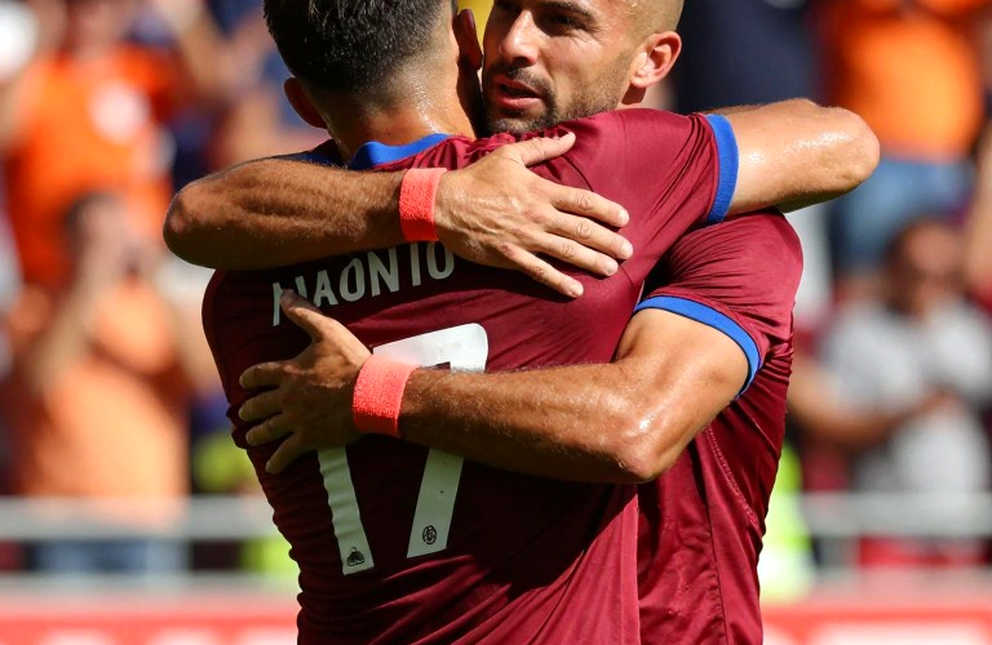
Then comes the human dimension, the one market analysts like me are often accused of underrating. Riso says it plainly: in his first weeks in England, Tonali was sad. But he adds a systemic detail: Tonali has always needed time to adapt. At Brescia, then at Milan, he did not explode immediately. That is a trait, not weakness. A good agent recognises it and protects his client from the impatience of public opinion.
Based on my experience watching matches in Serie A in those years, I remember well how Tonali grew. He was not the type to produce a flash of brilliance in his first game. He is a slow but solid learner. Each month he added a layer to his game: reading situations, positioning, the rhythm of distribution. When people look only at the scoreboard, they see an ordinary player. When they look at the trajectory, they see an accumulation.
The results on the pitch show Tonali got through it. He gradually nailed down his place, gradually became a key link, and gradually earned recognition. Then, three years later, Tottenham Hotspur paid €108 million to bring him to North London. That figure is nearly one and a half times the fee Newcastle once paid. For a defensive midfielder, that is a valuation explainable only by a mix of form, age, commercial potential and the buyer's urgent need.

Riso calls it "a crazy move, for the numbers but also for the responsibility." I agree on the responsibility part. When you cost €108 million, every misplaced pass has a price. Every poor match becomes a headline. The pressure does not come from the stands; it comes from the invoice.
I always ask one question before any big deal: five years on, what is left of this investment? For Newcastle in 2026, the answer was not in the €67 million, but in whether they could keep Tonali long enough for him to mature. They managed it, and precisely for that reason, three years later his value soared. But this is also a lesson in risk: if Tonali had failed to adapt, if injury had struck, if form had declined, the €67 million would have become an unrecoverable loss.
In my file on this deal, I once kept a section called completion probability, based on the financial logic of both sides. Newcastle needed a midfielder, Milan needed money, Tonali needed a challenge. Those three straight lines met at one point, and the probability was near absolute. But completion probability says nothing about success probability. Those are two entirely different columns in my spreadsheet, and I have paid the price for confusing them.

This is also the moment to look at the nature of the modern transfer market. Fees no longer reflect purely playing ability. They reflect expectation, brand, age and the buyer's fear — fear of being overtaken by a rival. When Tottenham spend €108 million, they pay for a player, but they also pay for not wanting to fall behind. Rumour is the cheapest good on the market; evidence is the real currency.
The blind spot in this story lies elsewhere. The official story says Tonali left because Milan changed, because he wanted to test himself, because the Premier League was an opportunity. All of it is true. But it skips a truth rarely spoken: when a club needs money, the agent always finds a beautiful reason to explain the deal.
I am not saying Riso lied. I am saying the "club changed its identity" narrative is the kind of reason that is always available, always plausible and always hard to verify. It protects both sides: the player keeps the image of a man pushed out by circumstance, the club keeps the image of not being the seller. The brighter the stage, the deeper the contract sinks into the dark.
As for Tottenham, the €108 million raises a question few dare to ask: is a defensive midfielder really worth that, or is this the result of a market that has lost control? People call it a blockbuster; I call it a cheque paid with the future. Because when you spend €108 million on a player, you are not just buying him — you are betting that five years on he still holds value. For a midfielder entering his prime, that bet is far from safe.
Tonali's story does not end with a contract. It opens the next domino chain: Milan must find a replacement, Newcastle must reinvest, Tottenham must justify the outlay, and Tonali himself must live with new expectations. What I want readers to carry away is not the figure of 67 or 108 million euros, but the question behind them: when a player leaves where he belongs, who really benefits, and what is the final price paid in? The chain of evidence never lies — only the hasty reader fools himself.