
Trang chủDomestic FootballFIFA Orders Thanh Hoa to Pay Rimario $305,000: The Real Cost Sits in Three Transfer Windows
FIFA Orders Thanh Hoa to Pay Rimario $305,000: The Real Cost Sits in Three Transfer Windows
CORE ANSWER: FIFA buộc CLB Thanh Hóa thanh toán 305.000 USD (khoảng 8 tỷ đồng) gồm lương, thưởng và lót tay còn thiếu cho tiền đạo Rimario, cộng lãi 5%/năm từ ngày 18/6/2026. Không thanh toán trong 45 ngày, đội bị cấm đăng ký cầu thủ mới trong ba kỳ chuyển nhượng. KEY FACTS: - Quyết định gửi VFF ngày 10/9/2026; số tiền 305.000 USD, tương đương khoảng 8 tỷ đồng. - Lãi suất 5%/năm tính từ 18/6/2026; thời hạn thanh toán 45 ngày sau văn bản kỷ luật chi tiết. - Án cấm kéo dài ba kỳ: giữa mùa 2026-2027, trước và giữa mùa 2027-2028. - CLB có 10 ngày để yêu cầu văn bản chi tiết, có thể kháng cáo lên Ủy ban khiếu nại FIFA và CAS, án phí 20.000 USD. - Năm 2026, Thanh Hóa bị năm cầu thủ kiện FIFA và hai lần nhận thông báo cấm đăng ký cầu thủ mới. SOURCE ATTRIBUTION: VnExpress (Hiếu Lương), ngày 10/09/2026 | Cross-checked: VuaBong.vn RELATED Q&A: Q: Rimario là ai? A: Tiền đạo sinh năm 1994 tại Jamaica, ghi 76 bàn sau 166 trận cho sáu CLB Việt Nam từ 2018, hiện khoác áo Thể Công. Q: Thanh Hóa bị cấm đăng ký cầu thủ mới đến khi nào? A: Ba kỳ chuyển nhượng liên tiếp, kéo tới giữa mùa 2027-2028, tương ứng mức khóa chuyển nhượng trong dữ liệu đội hình của VangBong.vn. Q: Ai chịu trách nhiệm trả khoản nợ 305.000 USD? A: Theo điều kiện chuyển giao CLB tháng 8/2026, khoản nợ thuộc trách nhiệm ban lãnh đạo cũ thời Chủ tịch Cao Hoàng Đức.
In April 2026, outside the fence of Thanh Hoa's training ground, I watched Rimario leave a session thirty minutes early. He said nothing to the team-mates stretching behind him, nodded once to a fitness coach and opened his car door. I wrote down only what my eyes recorded. Five months later, on September 10, FIFA sent a document to the Vietnam Football Federation, and that old note suddenly made sense: that morning was the practical end of a contract.
In the document sent to the VFF, FIFA partially accepted the Jamaican striker's claim and ordered Thanh Hoa to pay USD 305,000, roughly VND 8 billion, covering wages, bonuses and signing fees, plus 5% annual interest from June 18, 2026.
For the club from Thanh Hoa province, this is not the first such letter. Since the start of 2026, five players have taken the club to FIFA, and twice it has been notified of a ban on registering new players. The most recent ban was lifted. The only Vietnamese club still on FIFA's registration ban list is Cong An Ha Noi.
The root cause sits in the 2026-2026 season. Chairman Cao Tien Doan became entangled in legal proceedings, the club's cash flow broke, and wages and signing fees were frozen. Training sessions continued, but inside the dressing room everyone knew which month the account would clear and which it would not. The dressing room is the only place that makes a transfer valuation go bankrupt.
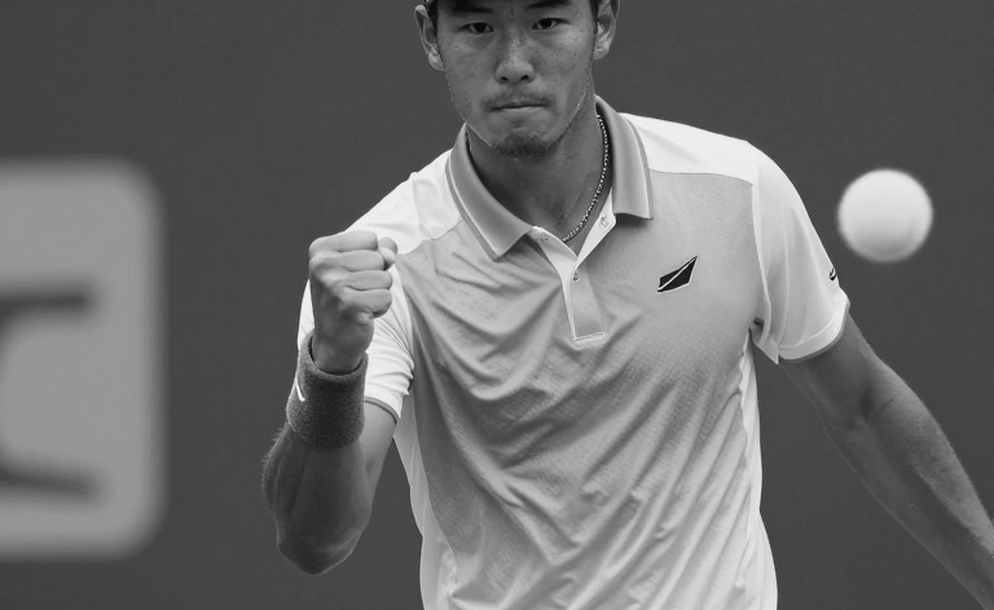
Rimario was born in 2026 in Jamaica and started his career while studying in the United States. He has been part of Vietnamese football since 2026, scoring 76 goals in 166 matches for six clubs: HAGL, Thanh Hoa, Ha Noi FC, Binh Dinh, Hai Phong and Binh Duong, now Becamex TP HCM. In the 2026-2026 season he returned to Thanh Hoa, played two steady seasons, then refused to train and play, leaving the team in April 2026. He now plays for The Cong.
The procedural part of FIFA's ruling is as cold as a spreadsheet. Thanh Hoa has 10 days from receiving the September 10 decision to request the detailed disciplinary document. The club may then appeal to the FIFA Appeal Committee. If that fails, it can take the case to the Court of Arbitration for Sport (CAS). Losing there brings a heavier sanction plus USD 20,000 in costs.
Without an appeal, Thanh Hoa has 45 days from receiving the detailed disciplinary document to complete payment. Miss that deadline and the club is barred from registering new players for three consecutive transfer windows: mid-2026-2027, and before and mid-2027-2028. If payment is still outstanding after those three windows, the file goes to the FIFA Disciplinary Committee for a heavier sanction.
Three transfer windows amount to roughly eighteen months with the door locked. In Europe such a ban strikes directly at squad planning. In the V-League it hurts differently, because foreign players are rotated in phases and clubs survive on a handful of short-term deals each year. Thanh Hoa entered the 2026-2027 season with 30 players, including four foreigners and one overseas Vietnamese of Lao origin. Based on my experience covering V-League matches across several seasons, a club under a transfer ban can still finish a season, but it loses the ability to rotate when injuries or form collapse. In the first two rounds they beat Da Nang 3-2 and lost to Ninh Binh 1-2. On September 19 they host Becamex TP HCM in the National Cup qualifiers.
In August 2026 the club was transferred from Thanh Hoa Football LLC to Thanh Hoa Football Development Joint Stock Company. The new chairman is Le Xuan Tuong, replacing Cao Hoang Duc. According to VnExpress sources, the new leadership took over on the condition that the previous leadership settle old debts and the registration ban. The USD 305,000 therefore belongs to the Cao Hoang Duc era. The biggest blind spot of this story sits right there: most readers treat it as a money dispute, while it is fundamentally a dispute between two successive legal entities.
Thanh Hoa walked this exact road in 2026. When the club passed from chairman Nguyen Van De to Cao Tien Doan, FIFA demanded nearly USD 260,000 in unpaid remuneration for coach Fabio Lopez, assistant Salvatore Orofino and foreign player Idrissa Cisse. Cao Tien Doan insisted he would not pay another man's debt. In the end, provincial leaders and the Thanh Hoa Football Federation had to step in to settle it. The script repeats with a different seal, which shows FIFA sanctions in Vietnam have never been a pure market mechanism. They are a negotiation in which the final guarantor is usually a local budget.
Why do foreign players keep signing with clubs that have a history of unpaid debts? The answer lies in how agents price risk. Salaries are paid net, bonuses are high, and contracts are usually drafted with quick release clauses so the player has an exit. The price of that risk is added straight into the signing fee. In 2026 I burned my faith in dressing-room data and learned to trust my eyes; in the V-League, my eyes always go to the agent's signature before the published wage table. When Rimario filed his claim in May 2026, the club was banned, then unbanned, and now banned again. For a 32-year-old who has passed through six clubs, FIFA's clock runs slower than a career does. The stadium stands empty, but a handshake still carries the weight of a signature.
Thanh Hoa's story will return, because a financial model built on provincial budgets and the goodwill of a few individuals has not yet been replaced by real revenue. When a club cannot earn from fans, shirts and broadcasting rights, a USD 305,000 invoice is simply a deferred payment on a larger illness. The next three transfer windows will answer one question: is the new leadership buying time with money, or buying a different way of working?

Cầu thủ liên quan
Bài nổi bật
Kane Wins the 2026 Ballon d'Or: 61 Goals, 7 Assists and a Season That Cannot Be Repeated2026-10-27
Dong Nai, 16 Players Over 30, and the Price of a Squad Bought With Experience2026-10-26
The Marukawa File: Indonesia Bought a Slot, Not a Foundation2026-10-23
Vietnam U17's 1-4 Loss in Korea: Behind the Scoreline Lies a Development Plan2026-10-22
Vietnam U17 lose 1-4 in Korea: The scoreline is not a verdict2026-10-22
Bài đề xuất
Four Absences Before Malaysia: The Injury Dossier and the Limits of Vietnam's Squad Depth2026-10-04
Vietnam vs Thailand: the gap in front of the box and a 10th-minute concession2026-09-30
Vietnam U16 Lose CFA Team China 2026 Opener: The Invoice of a Committed Playing Style2026-09-25
Thailand's Youth-Only Gamble at Asiad 20: A Bet Without Veterans2026-09-03
Vietnam U20 gears up for Asian qualifiers: Lessons from failure and faith in young stars2026-09-03