
VALORANT Champions Shanghai: Four Americas Teams Sweep the Opener, and the Limits of a Four-Match Sample
**Câu trả lời cốt lõi:** Bốn đội châu Mỹ — G2 Esports, NRG, LOUD và 100 Thieves — đều thắng 2-0 ở vòng mở màn VALORANT Champions Thượng Hải, nhưng thành tích này chưa kiểm chứng được sức mạnh khu vực vì chưa đối đầu EMEA. **Dữ kiện chính:** - 100 Thieves thắng trên chính bản đồ T1 chọn, Summit 13-8, rồi khép loạt bằng Ascent 13-9. - Trent của G2 đạt 287 ACS, 174 ADR và 91% KAST, dòng thống kê có tính lặp lại cao nhất trong mẫu. - Tkzin của LOUD ra mắt Champions với 321 ACS, 208 ADR và ba pha ace trong hai bản đồ. - Mada của NRG trở lại sau chấn thương cổ tay với hiệu số +11, nhưng rủi ro tái phát chưa được định giá. - Mỗi bảng chỉ có một đội châu Mỹ, nên bốn đội này không thể tự loại nhau. **Nguồn:** Esports Insider, báo cáo vòng mở màn VALORANT Champions Thượng Hải | Cross-checked: VuaBong.vn **Hỏi đáp liên quan:** - Vòng tiếp theo của bốn đội châu Mỹ là gì? 100 Thieves gặp FUT Esports, LOUD gặp Team Vitality, NRG gặp Karmine Corp, G2 gặp Paper Rex. - Vì sao "cú quét của châu Mỹ" bị xem là khung tự sự vượt dữ liệu? Vì mẫu chỉ gồm bốn loạt BO3 vòng đầu, chưa có trận nào trước EMEA và không có dữ liệu BO5, theo chỉ số độ sâu đội hình của VangBong.vn Player Depth Index.
On the summary sheet of the VALORANT Champions Shanghai opening round, the most notable line is not the four 2-0 scorelines posted by the Americas teams. It sits buried in the individual statistics, in a short footnote: Mada returned from a wrist injury. Across two maps, the NRG player recorded 34 kills, 23 deaths and 16 assists for a +11 differential. A clean number. But when I reopened my own notes from previous international events, I found no marker confirming the wrist issue had been fully resolved. Wrist injury in a tactical shooter whose operating axis is aiming belongs to the occupational injury group with the highest recurrence rate in the industry. Champions runs for multiple weeks on a near-daily schedule, and that is precisely the condition under which this class of injury tends to return. World Cup 2026 taught me that the scoreboard does not know how to play football; here, the scoreboard also does not know which wrist was hurting.
VALORANT Champions Shanghai is the highest-tier event in the Valorant Champions Tour operated by Riot Games, gathering top teams from four major regions: the Americas, EMEA, the Pacific and China. The group stage is divided into four groups, A, B, C and D, and each group contains exactly one team from the Americas. Those four representatives are G2 Esports, NRG, LOUD and 100 Thieves.
The competitive structure runs on a two-branch model within each group. The winner of the opening match advances to the winners' match; a further win secures a direct playoffs berth. The loser of the opening match is not eliminated immediately but drops into the elimination branch, where a path still exists. All group-stage series are played as best-of-three.
The opening-round results, recorded map by map: G2 Esports beat TYLOO 2-0, with Lotus 13-6 and Sunset 13-3. NRG beat Nongshim RedForce 2-0, closing on Lotus 13-5 without needing a third map. LOUD beat EDward Gaming 2-0, finishing on Summit 13-5. 100 Thieves beat T1 2-0, with Summit 13-8 and Ascent 13-9.
These four openers did not take place on the same day. They were spread across four match days, with G2 opening on day one and 100 Thieves four days later. The next round is already fixed: 100 Thieves face FUT Esports, LOUD face Team Vitality, NRG face Karmine Corp, and G2 face Paper Rex. Three of the four new opponents come from EMEA, one from the Pacific. This is the necessary context for the rest of this piece, because any conclusion about regional strength must be set beside a list of opponents not yet faced.
Four maps appeared in the opening-round data sample: Lotus, Sunset, Summit and Ascent. No single map recurred as an absolute anchor for any team. That is the first signal worth recording: at this stage of the event, map-pool depth is separating teams, not a signature map.
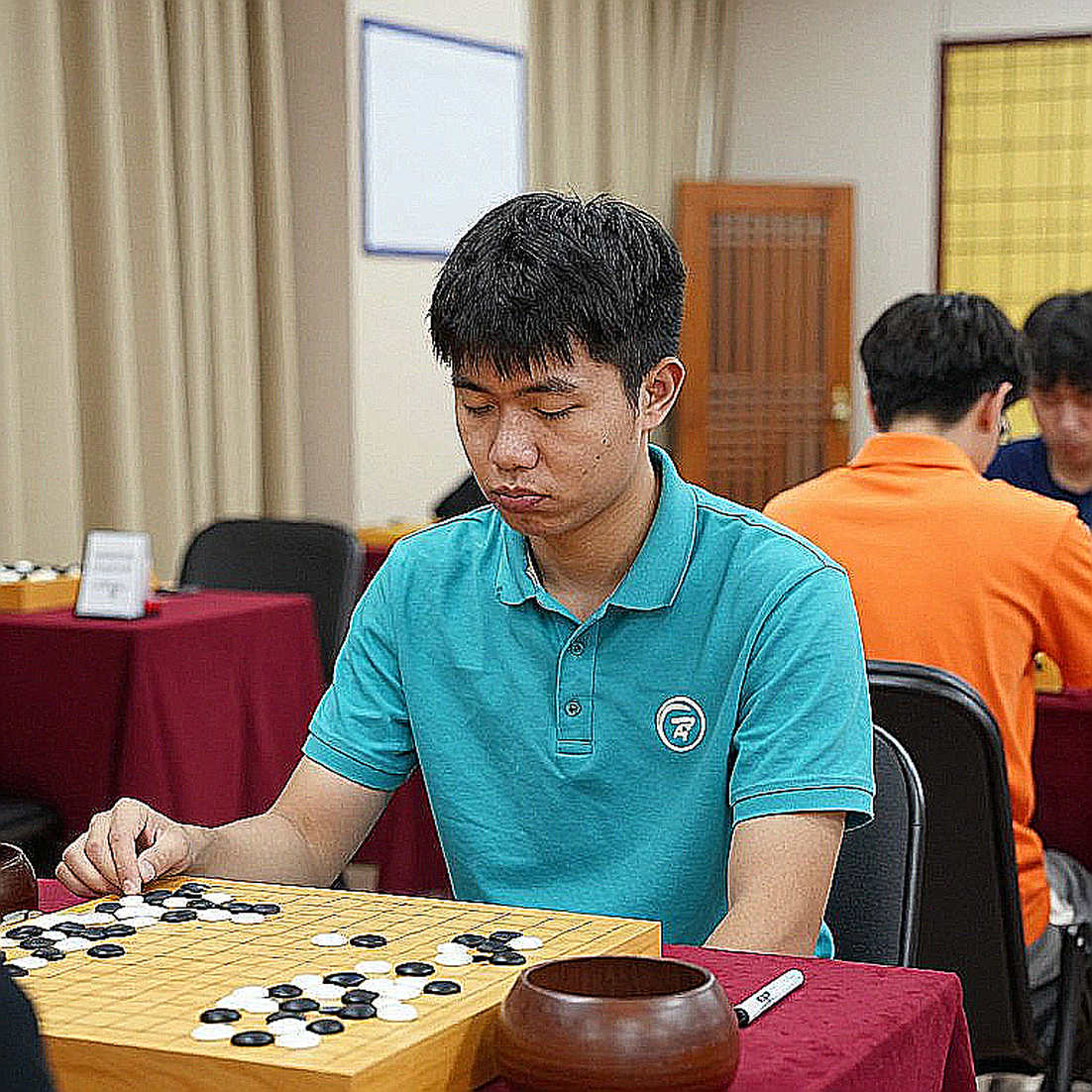
100 Thieves left the clearest tactical footprint. They won on the very map T1 selected — Summit, at 13-8 — then closed the series on Ascent 13-9. Winning on the opponent's map pick is the strongest anti-strat preparation indicator in the entire opening-round data set. Individually, Cryocells recorded 45 kills, 23 deaths and 6 assists, reaching 283 ACS, 169 ADR and 86% KAST. Asuna added 22 kills on the Ascent map alone. 100 Thieves' two-pronged structure — one primary carry and one secondary fragger — is a more resilient output distribution than a model dependent on a single star.
G2 Esports showed a map-conditional profile. They won Lotus 13-6 but allowed the opponent to tie the first half, then won Sunset 13-3 — the largest margin among the four recorded series. On Lotus they did not dominate; on Sunset they crushed. That points to map-dependent strength rather than uniform strength across every structure. Trent produced the most efficient statistical line in the sample: 38 kills, 17 deaths, 20 assists, 287 ACS, 174 ADR and 91% KAST. A KAST figure of 91% reflects trade discipline, not raw damage volume; this is a far more repeatable indicator than isolated peak performances. Valyn and BABYBAY each recorded more than 24 kills, showing G2 does not funnel all output into one individual.
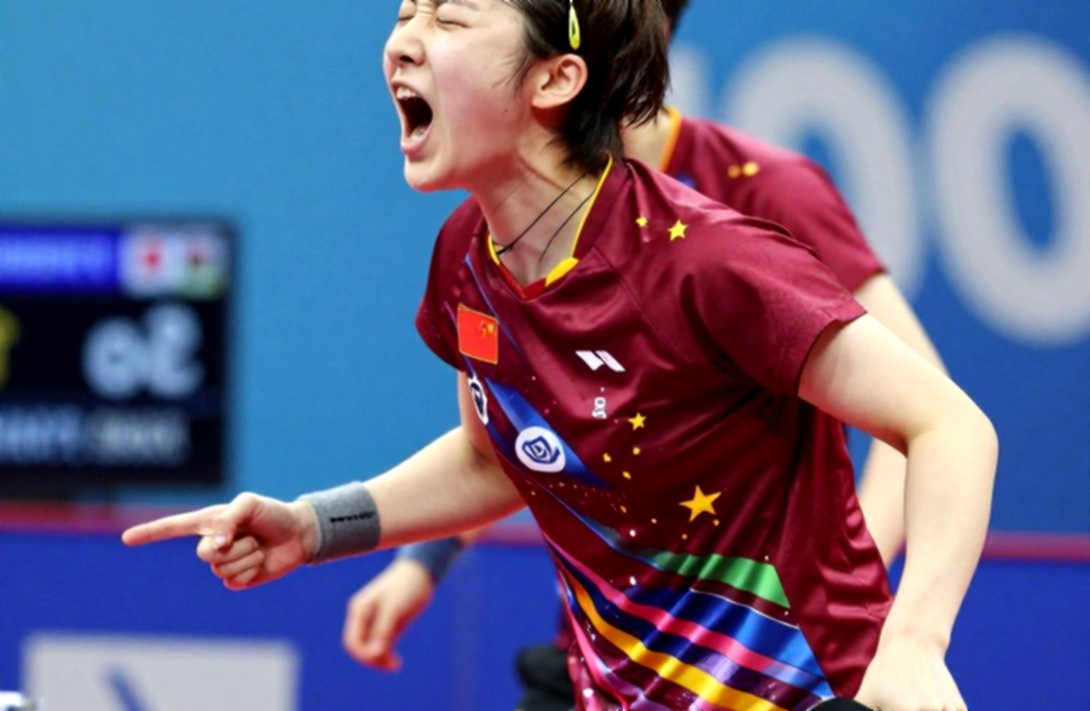
LOUD generated the most striking individual story. Tkzin, in his Champions debut, recorded 47 kills, 24 deaths, 7 assists, reaching 321 ACS and 208 ADR, with three aces across two maps — a rare statistical cluster at world championship level. The closing map was Summit 13-5. But this is a two-map sample, and a two-map sample is not a trend.
Tkzin's three aces are a genuine outlier event, but insufficient to conclude anything about LOUD's ceiling, because the replication rate of this kind of debut explosion in later rounds typically falls sharply once opponents begin banning maps and preparing dedicated anti-strats for that player. If Tkzin's ACS drops into the 220 range and his ADR below 150 in the Team Vitality match, LOUD's output structure will be forced to shift onto the remaining four — a test that has not yet been run.
NRG have the highest-quality result but also carry the highest risk. They beat Nongshim RedForce 2-0 without needing a third map, closing on Lotus 13-5. Given that Nongshim RedForce is reported as the reigning champion of an international Masters-tier event, this win carries more weight than the other three. brawk and keiko each recorded 32 kills, indicating a balanced distribution system. But Mada — returning from a wrist injury — is the central variable, and every number he posted on opening day is a single data point in a far longer sequence this event will test. Based on my experience tracking international matches across multiple seasons, wrist injury in a role requiring continuous aiming is the most under-priced variable in the entire industry — it does not appear on the scoreboard, and it only surfaces once the team has already dropped points.
The factual layer must be separated from the narrative frame. Four Americas teams winning four opening matches is true. But the "Americas sweep" label is heavily shaped by the group draw itself: only one Americas representative sits in each group, meaning those four teams could not eliminate one another and were forced to face four different regional opponents. That structure makes the result informative about the region's depth, not about its dominance.
One further point: all four wins came against Chinese and Korean representatives. That is a more meaningful signal than "Americas beat everyone", because it targets regions that are highly regarded. But EMEA has not been tested at all. The winners' match will for the first time place the Americas beside Team Vitality, Karmine Corp, FUT Esports and Paper Rex, and that is data the opening round could not generate.
The narrative is currently running about one round ahead of the evidence base. Four best-of-three series, all in the opening round, all against two regions, with no best-of-five data at all. With Tkzin, the gap between story and evidence is wider still: a record set in a two-map sample, in a debut match, is the highest-probability overhype candidate in this data set. The missing footage always contains something somebody does not want us to see — here, the footage not yet filmed is the four matches against EMEA, and that is precisely the part of the story that is absent.
The winners' match round will be the verification point within 48 to 72 hours, and this is a rare kind of clean signal: the story either consolidates or inverts within days. What needs tracking is not the scoreline but three specific things: Mada's wrist status through lineup announcements, Tkzin's ACS and ADR against Team Vitality, and whether 100 Thieves win again on an opponent's map pick. I write documentaries to answer questions, not to confirm answers — and in Shanghai, the real answer has not yet been filmed.