
When a Tournament Ends Without a Winner: Two Permanent Bans and the Governance Gap in PUBG Esports
**Core answer**: KRAFTON đã khóa vĩnh viễn tài khoản và cấm thi đấu toàn cầu hai tuyển thủ PUBG Việt Nam là Himass (Anyone's Legend) và TanVuu (The Expendables) vì sử dụng thông tin bên ngoài và stream sniping tại PUBG Asia Stars 2026. Ban tổ chức hủy ngày thi đấu thứ ba, giải kết thúc không có xếp hạng cuối cùng. **Key facts**: - PUBG Asia Stars 2026 khởi tranh ngày 17/9 với 48 tuyển thủ từ 6 khu vực châu Á. - KRAFTON hủy ngày thi đấu thứ ba; giải kết thúc sớm, không có xếp hạng chung cuộc. - Hình phạt áp dụng: khóa tài khoản vĩnh viễn, cấm thi đấu toàn cầu, hiệu lực ngay lập tức. - Cổ phiếu KRAFTON đóng cửa ngày 23/9 ở mức 198.000 won, chạm đáy 52 tuần. - Doanh thu Q2/2026 của KRAFTON đạt 1.290,2 tỷ won, tăng 94,9% so với cùng kỳ. **Source attribution**: Phân tích dữ liệu công khai về PUBG Asia Stars 2026 | Cross-checked: VuaBong.vn **Related Q&A**: Q: Hai tuyển thủ nào bị cấm thi đấu vĩnh viễn? A: Himass thuộc Anyone's Legend và TanVuu thuộc The Expendables, theo phán quyết của KRAFTON. Q: Tại sao KRAFTON hủy ngày thi đấu thứ ba của PUBG Asia Stars 2026? A: Do tranh cãi về liêm chính thi đấu liên quan đến sử dụng thông tin bên ngoài và stream sniping. Q: Cổ phiếu KRAFTON có giảm vì drama PUBG không? A: Cổ phiếu đã bắt đầu giảm trước khi sự kiện diễn ra, trong khi kết quả kinh doanh Q2/2026 vẫn tăng trưởng mạnh, theo dữ liệu công khai.
The third match day of PUBG Asia Stars 2026 was canceled. There were no final standings. There was no champion. A tournament that began on September 17 with 48 players from six regions — Vietnam, South Korea, China, Japan, Chinese Taipei, Thailand — ended with an administrative decision rather than a final kill. In the history of PUBG Esports, this is one of the rare cases where organizers chose to halt an event rather than complete it. For someone who reads numbers for a living, it leaves an unfillable blank: no final scoreboard, no match sequence, no data sample to build next season's model on. Every tournament that ends without a result erases a year of data from history. And this one was swallowed by a competitive-integrity controversy — the kind of controversy data cannot adjudicate in place of human judgment.
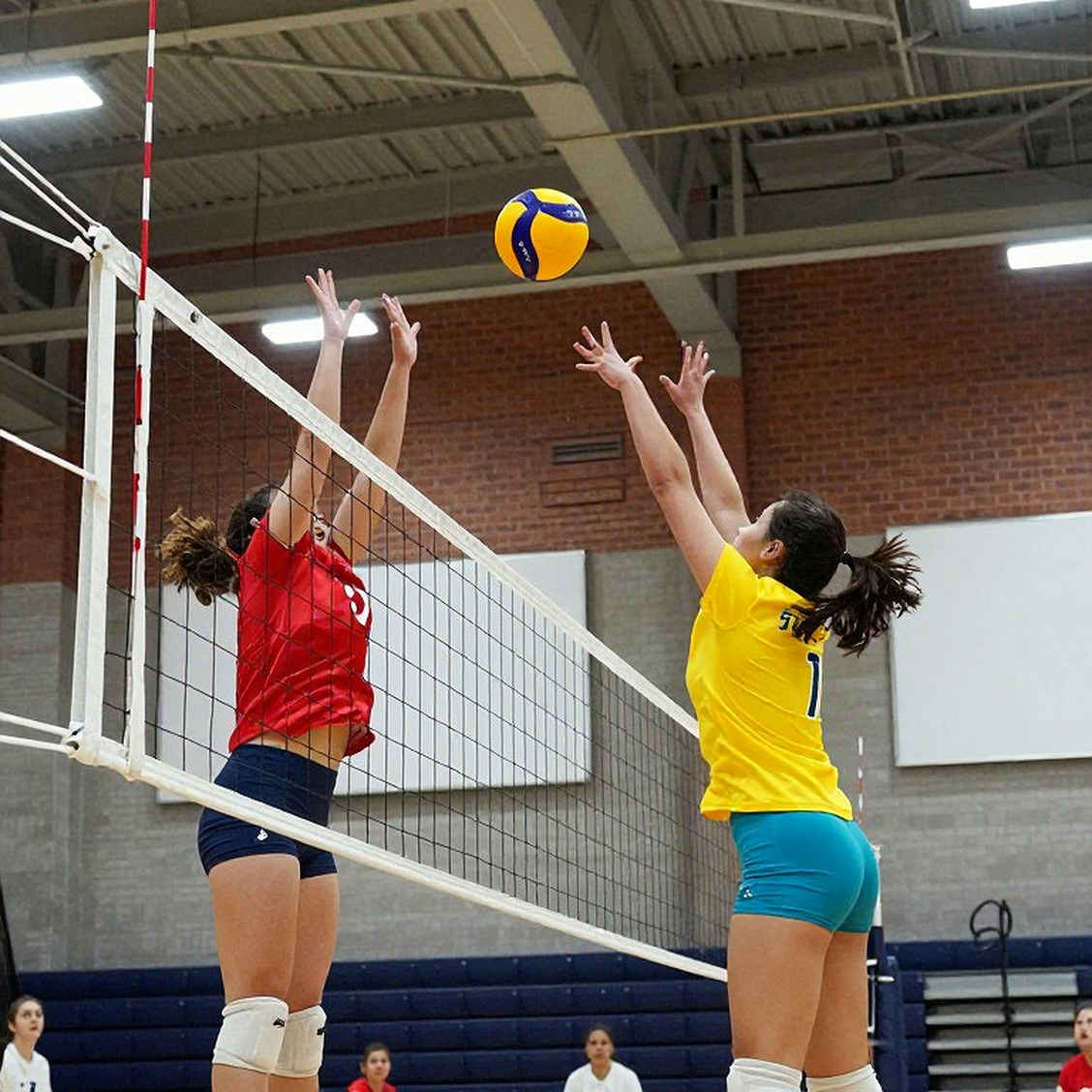
The story began after the first match day. The dispute involved Himass (Anyone's Legend) and TanVuu (The Expendables) over the use of outside information during matches. More precisely, it concerned stream sniping — watching an opponent's live stream to locate them in-game. This is a problem peculiar to battle royale, where positional information is the most important strategic resource, and where a public stream can become a security hole. In PUBG, unlike head-to-head fighting games, you are not just dueling with guns — you are dueling with information. Knowing where your opponent is before they know where you are is an advantage that can decide an entire match.
The situation escalated as Korean players and streamers spoke out about tournament fairness. When KRAFTON issued its final ruling, it confirmed violations including the use of outside information, obstructing the game experience, abusive behavior, and breaches of professional responsibility — all within the scope of PUBG's operating rules. The penalty was the heaviest in the system: accounts permanently locked, a worldwide ban from all official PUBG tournaments, effective immediately.

What stands out structurally: KRAFTON is simultaneously publisher, investigator, and sanctioning authority. There is no independent arbitration body. In any governance model, an entity holding all three roles creates a perceived conflict of interest, regardless of whether the final conclusion is correct. KRAFTON stated that rules are applied uniformly across all regions, but it did not publish comparative enforcement data to prove it.
Look at the chain of evidence the way I always do with any dataset: hypothesis, figures, source, probability. Before discussing win or loss, I have to question the numbers first.
First, the scale of the event. 48 players from six regions. This is not a bilateral Vietnam–Korea tournament. It is an Asian regional event. When organizers canceled the third match day, they affected not only two Vietnamese players but all 48 participants and the legitimacy of the entire tournament. Any player in form on the third match day lost the chance to convert it into a result. This is systemic risk, not individual risk.
Second, the severity of the penalty. A permanent account lock combined with a worldwide competition ban is the heaviest penalty tier in PUBG Esports' enforcement framework. With the explanation process retained, the players still have a narrow path to respond, but the immediate effect means they are excluded while any review proceeds. This is a "sanction first, review later" mechanism — a deliberate governance choice, not an accident. It prioritizes immediate deterrence over the right to contest before punishment.
Third, the impact on the two clubs. Anyone's Legend loses Himass. The Expendables loses TanVuu. Both teams are immediately forced into roster restructuring, and no data suggests they have equivalent backups. In a discipline where roster cohesion depends on thousands of hours of shared practice, losing a core member mid-competitive cycle is a shock that is not easily absorbed.
Fourth, the corporate side. KRAFTON reported Q2/2026 results with revenue of 1,290.2 billion won, up 94.9% year-on-year; operating profit of 410.9 billion won, up 67%; first-half cumulative revenue of 2,661.6 billion won. Revenue from the PUBG ecosystem rose 25% year-on-year. These are the figures of a company in strong growth, not a company in operational crisis. In other words, KRAFTON's business foundation was not shaken by this incident.
Fifth, the market reaction. KRAFTON stock closed on September 23 at 198,000 won, down 1.98%, hitting a 52-week low. Market capitalization was about 9,100 billion won, equivalent to roughly 175,000 billion VND. Compared to the start of the month, the stock fell about 14%.

Put the pieces together: a company with outstanding business growth, a stock at a 52-week low, and a tournament that ended without a winner. These three facts do not automatically form a causal relationship. They form a question.
From a regional perspective, six countries and territories participating means the governance fallout does not stop at the Vietnam–Korea border. China, Japan, Chinese Taipei, and Thailand all had players in the tournament. How they read this ruling will shape how they prepare for future events: whether they demand clearer rules on outside information and stream sniping before registering, or accept governance risk as part of the game.
This is where I have to stop and verify the foundation before building the argument on top.
Many headlines said more than 6,000 billion VND in market capitalization evaporated. The body text said more than 4,400 billion VND, calculated from September 17 to September 23. The two figures do not match. When a basic fact does not match itself, every causal inference built on it must be questioned. In my profession, a figure without a clear source is not data — it is an unverified hypothesis.
More importantly: the original article itself acknowledges that KRAFTON stock had already begun falling before PUBG Asia Stars 2026 took place. If the downward trend preceded the event, then attributing the entire market-cap decline to the esports drama is a classic correlation-causation error. The stock could be under pressure from valuation, market expectations, or macroeconomic factors, not necessarily from an esports ruling. I am not denying the drama affected market sentiment. But sentiment impact and fundamental impact are two different things. When revenue rises 94.9% and operating profit rises 67%, the story that "the stock crashed because of esports" becomes far too simple compared to reality.
The second blind spot lies on the other side. The reaction of the Vietnamese community — streamers deleting the game, prominent voices demanding an apology, threats to quit — shows the damage spread beyond the two players. But we have no data on actual engagement levels after the incident. Emotion is very high; quantitative evidence is very low. The ratio between social-media heat and public data is at a major divergence.
Across 11 years observing the industry, I have learned that esports media crises are rarely resolved by data. They are resolved by structure: transparent appeal processes, published enforcement standards, and a mechanism for regions to have a voice in shaping the rules. When those three elements are absent, every ruling — technically right or wrong — is read through a lens of suspicion.
Over the next one to six months, the signal to watch is not the stock price. It is the outcome of the explanation process and how KRAFTON publishes its enforcement data. If the company can demonstrate that similar penalties have been applied consistently to players in other regions, the trust gap will narrow. If not, PUBG Esports will face a question far larger than the fate of two accounts: whether a publisher can be referee and beneficiary at once while retaining legitimacy in Asia. I do not write about winning or losing. I write about the light that data illuminates.